
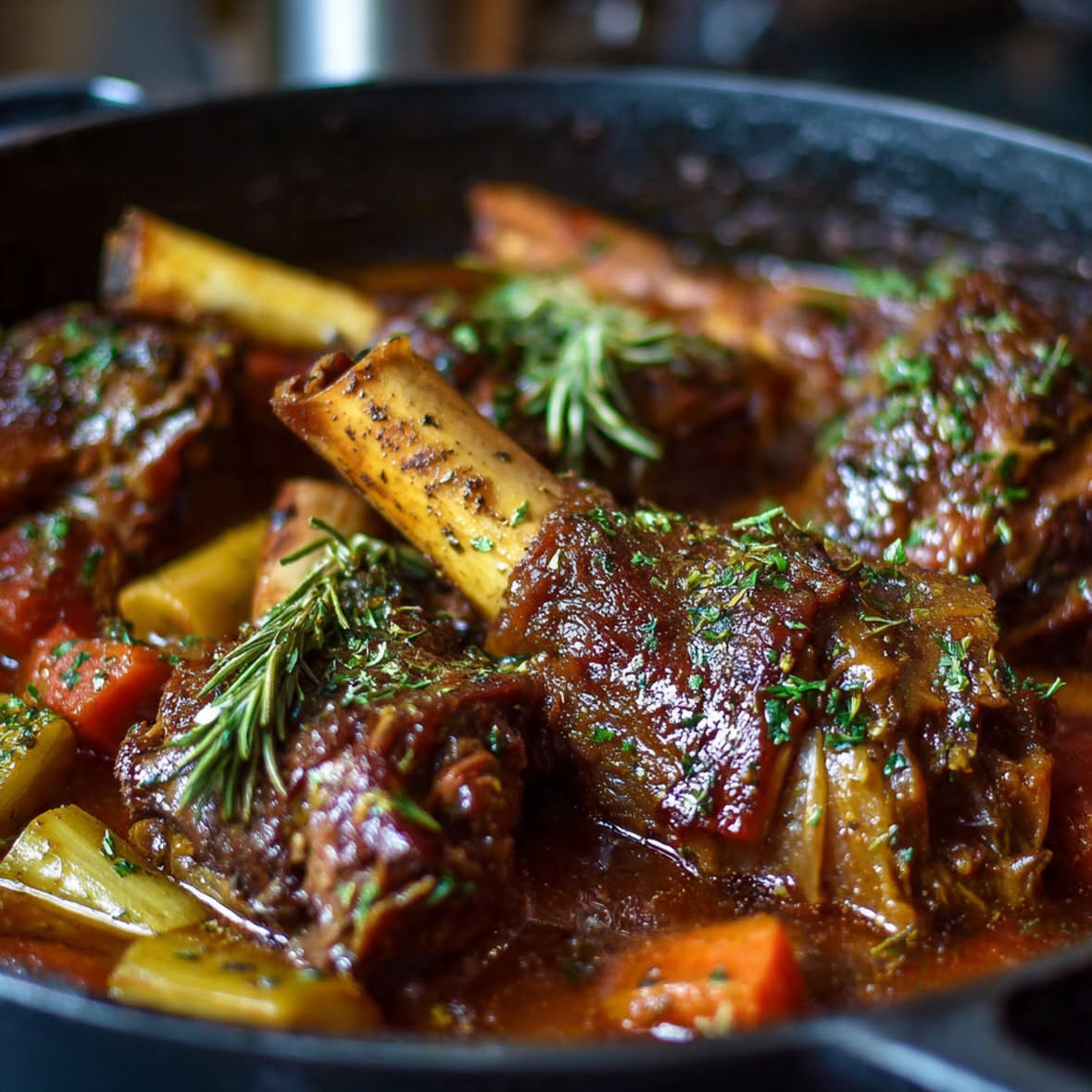
Succulent Slow Cooked Lamb Shanks:
Succulent Slow Cooked Lamb Shanks: The Best Recipe Ever
Few dishes capture comfort, elegance, and deep flavor quite like slow cooked lamb shanks. This timeless recipe transforms a humble cut of meat into something rich, tender, and luxurious through patience and thoughtful layering of flavors. When cooked slowly, lamb shanks become meltingly soft, infused with aromatic herbs, vegetables, and a deeply savory sauce that feels both rustic and refined.
This is not just another lamb shank recipe. This is a complete guide to making succulent slow cooked lamb shanks that are worthy of a special occasion yet simple enough to prepare at home. Whether you are cooking for guests, family, or yourself, this dish delivers restaurant-quality results with minimal effort.
In this article, you will find everything you need: a deep dive into why lamb shanks are perfect for slow cooking, ingredient explanations, step-by-step instructions, expert tips, variations, serving ideas, storage advice, and answers to frequently asked questions. By the end, you will understand not only how to make this dish, but why it works so beautifully.
Why Lamb Shanks Are Perfect for Slow Cooking
Lamb shanks come from the lower part of the animal’s leg, an area that does a lot of work. Because of this, the meat contains a high amount of connective tissue and collagen. While this makes lamb shanks tough if cooked quickly, it makes them ideal for long, slow cooking.
When exposed to gentle heat over several hours, the collagen slowly breaks down into gelatin. This process transforms the meat into something incredibly tender and gives the cooking liquid a silky, rich texture. The result is meat that falls off the bone and a sauce that feels luxurious without the need for cream or butter.
Slow cooking also allows flavors to develop fully. Aromatics like onion and garlic mellow and sweeten, herbs infuse the sauce, and tomato paste adds depth and complexity. The stock reduces and concentrates, creating a rich, savory base that clings beautifully to the lamb.
Ingredients Overview
This recipe uses simple, classic ingredients that work together to create deep, satisfying flavor. Each component plays an important role.
Lamb Shanks
Choose meaty lamb shanks with a good amount of flesh around the bone. Bone-in shanks are essential for flavor, as the marrow and connective tissue enrich the sauce during cooking.
Olive Oil
Used for browning the lamb and sautéing the vegetables. Olive oil adds subtle fruitiness and helps develop flavor through caramelization.
Onion
Onion forms the aromatic base of the dish. As it cooks slowly, it becomes sweet and tender, contributing body and depth to the sauce.
Garlic
Garlic adds warmth and complexity. Slow cooking mellows its sharpness, leaving behind a rich, savory flavor.
Carrots
Carrots add natural sweetness and balance the richness of the lamb. They also contribute to the body and color of the sauce.
Tomato Paste
Tomato paste is essential for umami and depth. When cooked properly, it adds richness without making the dish taste overly tomato-forward.
Beef or Lamb Stock
Stock provides the liquid base for braising. Lamb stock offers the most authentic flavor, but good quality beef stock works just as well.
Fresh Rosemary or Thyme
These herbs complement lamb perfectly. Rosemary offers a bold, piney aroma, while thyme provides a more subtle, earthy note.
Salt and Black Pepper
Proper seasoning is key. Salt enhances flavor, while black pepper adds gentle heat and balance.
Equipment You Will Need
- A large, heavy-based pot or Dutch oven with a lid
- Tongs for turning the lamb
- A wooden spoon or spatula
- A cutting board and sharp knife
A Dutch oven is ideal because it retains heat evenly and transitions well from stovetop to oven. If you do not have one, any oven-safe, heavy pot with a tight-fitting lid will work.
Preparation Before Cooking
Before you begin, take the lamb shanks out of the refrigerator about 30 minutes in advance. Allowing the meat to come closer to room temperature ensures more even cooking and better browning.
Pat the lamb shanks dry with paper towels. Moisture on the surface can prevent proper browning, which is a key step in developing flavor.
Season the lamb generously with salt and black pepper on all sides. This early seasoning helps the flavor penetrate the meat.
Step-by-Step Instructions
Step 1: Brown the Lamb Shanks
Heat a generous amount of olive oil in your pot over medium-high heat. When the oil is hot but not smoking, add the lamb shanks. Do not overcrowd the pot; work in batches if necessary.
Brown the shanks on all sides, turning them carefully with tongs. This process should take about 8 to 10 minutes total. The goal is to develop a deep, golden crust, which adds richness and complexity to the final dish.
Once browned, remove the lamb shanks from the pot and set them aside.
Step 2: Build the Aromatic Base
Lower the heat to medium. Add the chopped onion to the same pot, using the residual fat and browned bits left behind by the lamb. Cook the onion for 5 to 7 minutes, stirring occasionally, until it becomes soft and translucent.
Add the garlic and cook for another minute, just until fragrant. Be careful not to burn the garlic, as it can turn bitter.
Add the carrots and cook for 2 to 3 minutes, allowing them to soften slightly and absorb the flavors in the pot.
Step 3: Cook the Tomato Paste
Add the tomato paste to the vegetables. Stir well and cook for 2 to 3 minutes, allowing it to darken slightly. This step is crucial, as it removes the raw taste of the tomato paste and enhances its savory depth.
You will notice the paste becoming thicker and sticking slightly to the bottom of the pot. This is a good sign and contributes to the final flavor.
Step 4: Deglaze and Add Stock
Slowly pour in the stock, stirring continuously to deglaze the pot. Use your spoon to scrape up any browned bits from the bottom. These bits are packed with flavor and will enrich the sauce.
Bring the liquid to a gentle simmer.
Step 5: Add Herbs and Return the Lamb
Add the fresh rosemary or thyme to the pot. You can add whole sprigs, which makes them easy to remove later.
Return the lamb shanks to the pot, nestling them into the liquid. The liquid should come about halfway up the shanks. Do not fully submerge them.
Step 6: Slow Cook
Cover the pot with a lid and transfer it to a preheated oven at 160°C (325°F).
Cook for 2.5 to 3 hours, turning the shanks once halfway through if possible. The lamb is done when it is extremely tender and easily pulls away from the bone with a fork.
Step 7: Reduce the Sauce (Optional but Recommended)
Once the lamb is cooked, carefully remove the shanks and set them aside, keeping them warm.
Place the pot back on the stovetop over medium heat and simmer the sauce uncovered for 10 to 20 minutes, or until it thickens slightly and coats the back of a spoon.
Taste and adjust seasoning with salt and black pepper.
Return the lamb shanks to the sauce before serving.
Tips for Perfect Lamb Shanks
- Do not rush the cooking time. Low and slow is essential for tender meat.
- Brown thoroughly. Proper browning adds depth and richness to the dish.
- Use good quality stock. The sauce relies heavily on the stock for flavor.
- Avoid boiling. The liquid should simmer gently to keep the meat tender.
- Rest before serving. Allow the lamb to rest in the sauce for 10 minutes to absorb flavor.
Flavor Variations
This classic recipe is incredibly versatile and can be adapted to suit different tastes.
Red Wine Lamb Shanks
Add a cup of red wine after cooking the tomato paste. Let it reduce before adding the stock for a richer, more complex sauce.
Mediterranean Style
Add bay leaves, a strip of orange peel, and a handful of olives toward the end of cooking.
Spiced Lamb Shanks
Incorporate warming spices such as cinnamon, cumin, or coriander for a Middle Eastern-inspired twist.
What to Serve with Slow Cooked Lamb Shanks
Lamb shanks pair beautifully with simple sides that can absorb the rich sauce.
- Creamy mashed potatoes
- Soft polenta
- Buttered rice or risotto
- Roasted root vegetables
- Crusty bread
A fresh green salad or lightly steamed greens provide balance and contrast.
Storage and Reheating
Slow cooked lamb shanks store exceptionally well and often taste even better the next day.
Refrigeration
Store in an airtight container in the refrigerator for up to 3 days.
Freezing
Freeze the lamb shanks in their sauce for up to 3 months. Thaw overnight in the refrigerator before reheating.
Reheating
Reheat gently on the stovetop or in the oven at a low temperature, adding a splash of stock if needed.
Frequently Asked Questions
Can I make this in a slow cooker?
Yes. Brown the lamb and prepare the sauce on the stovetop, then transfer everything to a slow cooker and cook on low for 7 to 8 hours.
Can I make this ahead of time?
Absolutely. This dish is ideal for making a day in advance, allowing the flavors to deepen overnight.
Why is my lamb tough?
Tough lamb usually means it has not cooked long enough. Continue cooking until the connective tissue fully breaks down.
Final Thoughts
Succulent slow cooked lamb shanks are the ultimate example of how patience and simple ingredients can create something extraordinary. This recipe celebrates traditional cooking techniques, allowing the natural richness of lamb to shine through a deeply flavorful sauce.
Whether you are hosting a dinner party, preparing a holiday meal, or simply craving comfort food at its finest, this dish delivers every time. Once you master this recipe, it will become a staple in your kitchen and a favorite among anyone lucky enough to share your table.