
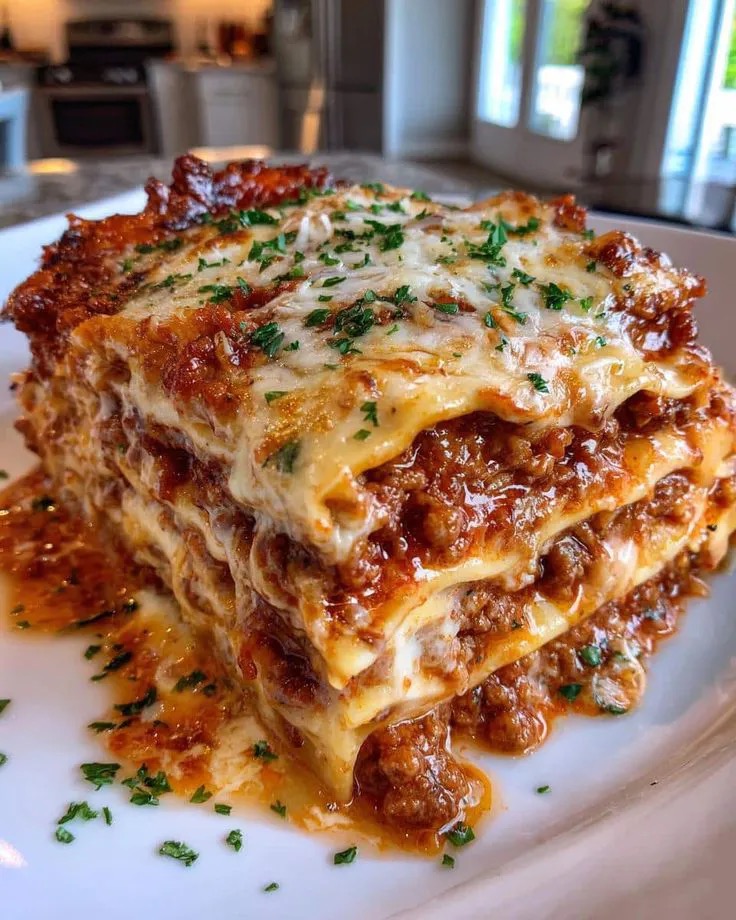
Classic Beef Lasagna: A Timeless Comfort Food Recipe
Few dishes capture the heart of home cooking quite like a classic beef lasagna. Layered with rich meat sauce, tender pasta sheets, and creamy cheese, lasagna is a meal that brings people together. It is the kind of dish that feels celebratory yet comforting, equally suited for Sunday family dinners, holidays, or make-ahead meals for busy weeks.
This classic beef lasagna recipe focuses on traditional flavors, simple ingredients, and reliable techniques that guarantee excellent results every time. The sauce is slow-simmered for depth, the layers are balanced for perfect texture, and the final bake produces a golden, bubbling top that is irresistible.
Whether you are new to making lasagna or looking to perfect your method, this guide walks you through every step in detail. From ingredient selection to layering tips, storage advice, and serving suggestions, this recipe is designed to be both approachable and comprehensive.
Why This Classic Beef Lasagna Works
Lasagna can sometimes feel intimidating, but at its core, it is simply a combination of well-prepared components assembled with care. This recipe works because it emphasizes:
- A deeply flavored beef and tomato sauce
- Balanced seasoning without overpowering the dish
- Proper layering for structure and moisture control
- Adequate resting time for clean slices and better flavor
The result is a lasagna that holds together beautifully, tastes even better the next day, and satisfies a wide range of palates.
Ingredients Overview
This recipe uses pantry-friendly ingredients that are easy to find while still delivering authentic flavor. Each component plays a specific role in building the final dish.
For the Meat Sauce
- 500 g (1 lb) ground beef
- 1 onion, finely chopped
- 2 garlic cloves, minced
- 2 cups tomato sauce
- 2 tablespoons tomato paste
- Salt and black pepper, to taste
- 1 teaspoon paprika
- 1 teaspoon oregano or Italian seasoning
- 2 tablespoons olive oil
Additional Lasagna Components
- Lasagna noodles (regular or oven-ready)
- Ricotta cheese or béchamel sauce (depending on preference)
- Mozzarella cheese, shredded
- Parmesan cheese, grated
- Optional fresh basil or parsley for garnish
Ingredient Notes and Substitutions
Ground Beef
Lean ground beef works best, as it provides flavor without excessive grease. If using beef with a higher fat content, be sure to drain excess fat after browning.
Substitutions:
- Ground turkey or chicken for a lighter version
- A mix of beef and pork for extra richness
Tomato Sauce and Paste
Tomato sauce provides body, while tomato paste adds concentrated flavor and depth. Using both creates a sauce that is rich without being overly acidic.
If preferred, you can substitute crushed tomatoes for tomato sauce, adjusting simmer time accordingly.
Seasonings
Paprika adds warmth and subtle smokiness, while oregano or Italian seasoning delivers classic herbal notes. You can customize with basil, thyme, or a pinch of chili flakes if desired.
Cheese Options
Traditional lasagna often uses ricotta, mozzarella, and Parmesan. Some variations use béchamel sauce instead of ricotta for a creamier texture. Either option works well with this meat sauce.
Equipment Needed
- Large skillet or saucepan
- Wooden spoon or spatula
- Large pot (for boiling noodles, if not using oven-ready)
- 9×13 inch baking dish
- Aluminum foil
- Oven
Step-by-Step Instructions
Step 1: Prepare the Meat Sauce
Heat the olive oil in a large skillet or saucepan over medium heat. Once warm, add the finely chopped onion. Cook for 4 to 5 minutes, stirring occasionally, until the onion becomes soft and translucent.
Add the minced garlic and cook for an additional 30 to 60 seconds. Stir continuously to prevent burning, as garlic can become bitter if overcooked.
Add the ground beef to the pan, breaking it up with a spoon. Cook until fully browned and no longer pink. This should take about 6 to 8 minutes. Season lightly with salt and black pepper while cooking.
If excess fat accumulates in the pan, carefully drain it off before proceeding.
Stir in the tomato paste and cook for 1 to 2 minutes. This step helps caramelize the paste and deepen its flavor.
Pour in the tomato sauce and stir well to combine. Add paprika and oregano or Italian seasoning. Adjust salt and pepper to taste.
Reduce the heat to low and let the sauce simmer uncovered for 20 to 30 minutes, stirring occasionally. This allows the flavors to meld and the sauce to thicken slightly.
Remove from heat and set aside.
Step 2: Prepare the Lasagna Noodles
If using traditional lasagna noodles, bring a large pot of salted water to a boil. Cook the noodles according to package instructions until al dente.
Drain the noodles and lay them flat on a clean kitchen towel or lightly oiled surface to prevent sticking.
If using oven-ready noodles, no boiling is required. Ensure there is enough moisture in your sauce to cook the noodles during baking.
Step 3: Prepare the Cheese Layer
If using ricotta cheese, you may mix it with a small amount of grated Parmesan, a pinch of salt, and optional black pepper for added flavor.
If using béchamel sauce, prepare it separately by cooking butter, flour, and milk until smooth and creamy. Season lightly with salt and nutmeg if desired.
Shred the mozzarella cheese and grate the Parmesan cheese. Keep them ready for assembly.
Assembling the Lasagna
Proper layering is essential for a lasagna that holds together and cooks evenly.
Step 1: Prepare the Baking Dish
Preheat the oven to 180°C (350°F).
Lightly grease a 9×13 inch baking dish. Spread a thin layer of meat sauce on the bottom to prevent sticking.
Step 2: First Layer
Place a layer of lasagna noodles over the sauce, slightly overlapping if necessary.
Spread a portion of the meat sauce evenly over the noodles.
Add dollops of ricotta or a thin layer of béchamel sauce.
Sprinkle mozzarella and a small amount of Parmesan cheese.
Step 3: Repeat the Layers
Repeat the layering process two to three more times, depending on the depth of your dish and the amount of ingredients.
Step 4: Final Layer
Finish with a layer of noodles topped with meat sauce and a generous layer of mozzarella and Parmesan cheese.
Baking the Lasagna
Cover the baking dish loosely with aluminum foil. This prevents the top from browning too quickly.
Bake in the preheated oven for 35 to 40 minutes.
Remove the foil and bake for an additional 10 to 15 minutes, or until the cheese is melted, bubbly, and lightly golden.
If desired, turn on the broiler for the last 2 to 3 minutes to achieve a deeper golden crust. Watch closely to prevent burning.
Resting and Serving
Once baked, remove the lasagna from the oven and allow it to rest for at least 15 to 20 minutes before slicing. This step is crucial for clean slices and proper texture.
Garnish with freshly chopped basil or parsley if desired.
Serve warm.
Serving Suggestions
Classic beef lasagna pairs beautifully with simple sides that complement its richness:
- Fresh green salad with vinaigrette
- Garlic bread or crusty Italian bread
- Roasted vegetables such as zucchini or broccoli
Make-Ahead and Storage Tips
Make Ahead
Lasagna is an excellent make-ahead dish. Assemble it up to 24 hours in advance, cover tightly, and refrigerate. Bake as directed, adding 10 to 15 minutes to the covered baking time.
Refrigeration
Store leftover lasagna in an airtight container in the refrigerator for up to 4 days.
Freezing
Lasagna freezes exceptionally well. Wrap tightly in plastic wrap and foil, or store in freezer-safe containers. Freeze for up to 3 months.
To reheat, thaw overnight in the refrigerator and bake until heated through.
Common Mistakes to Avoid
- Skipping the resting time after baking
- Using too much sauce, which can make the lasagna watery
- Overcooking the noodles before baking
- Forgetting to season each layer lightly
Frequently Asked Questions
Can I make this lasagna without ricotta?
Yes. You can substitute béchamel sauce or even a mixture of cream cheese and milk for a different texture.
Can I add vegetables?
Absolutely. Mushrooms, spinach, zucchini, or bell peppers can be added to the meat sauce or layered separately.
Why is my lasagna watery?
This usually happens if the sauce is too thin or the lasagna is cut before resting. Simmer the sauce longer and allow proper resting time.
Final Thoughts
This classic beef lasagna recipe is a true staple, offering comfort, flavor, and reliability. Its rich meat sauce, balanced seasoning, and satisfying layers make it a dish that never goes out of style. Whether served fresh from the oven or reheated the next day, it remains just as delicious.
Perfect for family dinners, gatherings, or meal prep, this lasagna is proof that simple ingredients and thoughtful preparation can create something truly memorable.
If you are building a recipe website or food blog, this dish deserves a permanent place in your collection.