
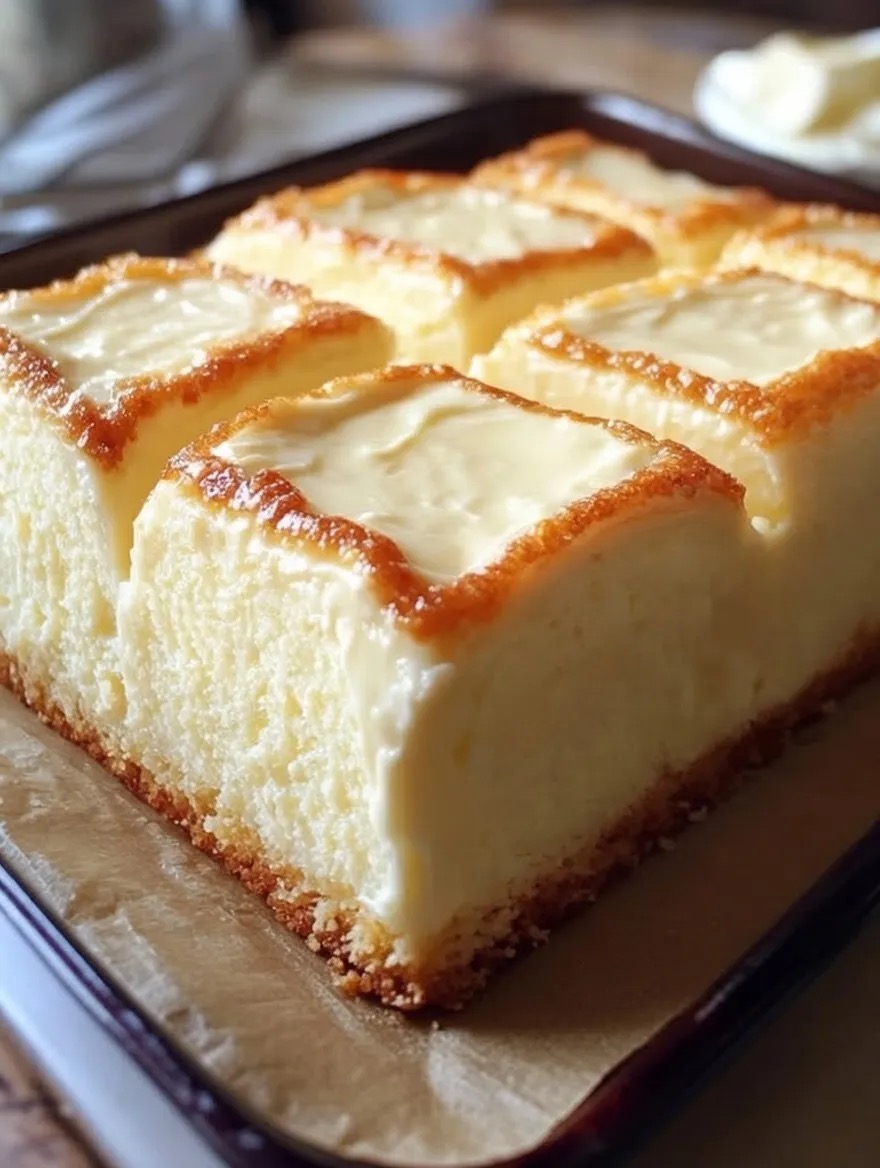
Cream Cheese Cake: A Rich, Moist, and Classic Dessert Recipe
Cream Cheese Cake is a timeless dessert that combines the luxurious smoothness of cream cheese with the light crumb of a traditional cake. Unlike dense cheesecakes that require water baths and long chilling times, this cream cheese cake is baked like a classic cake, resulting in a tender texture that is moist, flavorful, and easy to slice. It is the perfect balance between a cheesecake and a vanilla cake, making it an ideal dessert for gatherings, celebrations, or simple family treats.
This recipe uses simple pantry ingredients and straightforward baking techniques, making it accessible for beginner bakers while still delivering bakery-quality results. The cream cheese adds richness and moisture, the oil keeps the cake soft for days, and the eggs provide structure and a delicate crumb. Whether served plain, dusted with powdered sugar, or topped with fresh fruit, this cream cheese cake is versatile and endlessly customizable.
In this detailed guide, you will learn not only how to prepare the cake step by step, but also why each ingredient matters, how to avoid common baking mistakes, and how to adapt the recipe to suit different tastes and occasions. If you are looking for a reliable, crowd-pleasing cake recipe that feels both simple and indulgent, this cream cheese cake is an excellent choice.
Why You’ll Love This Cream Cheese Cake
There are many reasons this cream cheese cake stands out from other cake recipes. First, it offers a unique texture that is richer than a standard vanilla cake but lighter than a traditional cheesecake. The cream cheese provides a subtle tang and creamy mouthfeel without overpowering the cake.
Second, the recipe is incredibly forgiving. Because it uses oil instead of butter, the cake remains moist even if slightly overbaked. It also stays fresh longer, making it perfect for make-ahead desserts.
Third, this cake is highly adaptable. You can bake it in a loaf pan, round cake pan, or bundt pan. You can serve it plain or dress it up with glazes, fruit toppings, or whipped cream. It works well as a breakfast cake, afternoon snack, or elegant dessert.
Finally, the ingredient list is short and uncomplicated. There is no need for special equipment or advanced techniques, which makes this recipe ideal for home bakers of all skill levels.
Ingredients Overview
Before beginning, it is helpful to understand the role of each ingredient in the recipe. This knowledge will help you achieve the best results and make informed substitutions if necessary.
Cream Cheese (8 oz, softened)
Cream cheese is the star ingredient in this cake. It adds richness, moisture, and a slightly tangy flavor that sets this cake apart from ordinary cakes. Make sure the cream cheese is fully softened before mixing to ensure a smooth batter without lumps.
Vegetable Oil (1/2 cup)
Vegetable oil contributes to the cake’s moist texture. Unlike butter, oil remains liquid at room temperature, which helps keep the cake soft even after refrigeration. You may substitute with other neutral oils such as canola or sunflower oil.
Granulated Sugar (1 cup)
Sugar sweetens the cake and helps create a tender crumb. It also assists with moisture retention and contributes to the cake’s golden color during baking.
Eggs (3 large)
Eggs provide structure, richness, and stability. They bind the ingredients together and help the cake rise. Using room-temperature eggs ensures better incorporation into the batter.
Vanilla Extract (1 teaspoon)
Vanilla extract enhances the overall flavor of the cake, adding warmth and depth. Use pure vanilla extract for the best taste.
All-Purpose Flour (1 1/2 cups)
Flour provides the structure of the cake. All-purpose flour is ideal for achieving a balanced texture that is neither too dense nor too light.
Baking Powder (1 teaspoon)
Baking powder is the leavening agent that helps the cake rise. Make sure it is fresh for optimal results.
Salt (1/4 teaspoon)
Salt enhances the flavor of the cake and balances the sweetness. Even a small amount makes a noticeable difference.
Equipment Needed
To prepare this cream cheese cake, you will need the following equipment:
- Mixing bowls (one large, one medium)
- Electric mixer or stand mixer
- Rubber spatula
- Measuring cups and spoons
- Cake pan (9-inch round, loaf pan, or bundt pan)
- Parchment paper (optional)
- Cooling rack
Having all equipment ready before you begin will make the baking process smoother and more enjoyable.
Step-by-Step Instructions
Step 1: Prepare the Pan and Oven
Preheat your oven to 350°F (175°C). Grease your chosen cake pan thoroughly with oil or nonstick spray. For added insurance, line the bottom of the pan with parchment paper and lightly grease it as well. This will help ensure the cake releases easily after baking.
Step 2: Cream the Cream Cheese and Sugar
In a large mixing bowl, add the softened cream cheese and granulated sugar. Using an electric mixer on medium speed, beat the mixture until it becomes smooth, creamy, and free of lumps. This step is crucial, as properly creamed cream cheese creates a smooth batter and even texture.
Take your time here, scraping down the sides of the bowl as needed to ensure everything is well incorporated.
Step 3: Add the Oil
With the mixer running on low speed, slowly pour in the vegetable oil. Continue mixing until the oil is fully incorporated and the mixture looks glossy and uniform. The oil helps emulsify the batter and contributes to the cake’s moist texture.
Step 4: Incorporate the Eggs
Add the eggs one at a time, mixing well after each addition. This gradual incorporation helps maintain a smooth batter and prevents curdling. After adding all three eggs, beat the mixture for another minute until it becomes light and slightly fluffy.
Step 5: Add Vanilla Extract
Mix in the vanilla extract until evenly distributed. This step adds subtle flavor complexity and enhances the sweetness of the cake.
Step 6: Combine Dry Ingredients
In a separate bowl, whisk together the all-purpose flour, baking powder, and salt. Whisking helps distribute the leavening agent evenly and prevents clumps in the batter.
Step 7: Add Dry Ingredients to Wet Ingredients
Gradually add the dry ingredients to the wet mixture, mixing on low speed. Avoid overmixing at this stage, as it can lead to a dense or tough cake. Mix just until the flour disappears and the batter is smooth.
Use a rubber spatula to scrape down the sides and bottom of the bowl to ensure everything is evenly combined.
Step 8: Pour Batter into Pan
Pour the batter into the prepared cake pan, smoothing the top with a spatula. Tap the pan gently on the counter to release any air bubbles.
Step 9: Bake the Cake
Place the pan in the preheated oven and bake for 40 to 50 minutes, depending on the size and shape of your pan. The cake is done when a toothpick inserted into the center comes out clean or with a few moist crumbs.
If the top begins to brown too quickly, loosely cover it with aluminum foil during the last 10 minutes of baking.
Step 10: Cool the Cake
Remove the cake from the oven and allow it to cool in the pan for 10 to 15 minutes. Then carefully turn it out onto a cooling rack to cool completely. Cooling allows the cake to set and makes slicing easier.
Serving Suggestions
This cream cheese cake is delicious on its own, but it can also be enhanced with various toppings and accompaniments:
- Dust lightly with powdered sugar for a simple, elegant presentation.
- Serve with fresh berries such as strawberries, blueberries, or raspberries.
- Drizzle with a light vanilla glaze or lemon glaze.
- Add a dollop of whipped cream for extra indulgence.
- Pair with coffee or tea for a perfect afternoon treat.
Storage and Shelf Life
One of the advantages of this cake is its excellent keeping quality. Because of the oil and cream cheese, it stays moist longer than many traditional cakes.
- At room temperature: Store in an airtight container for up to 2 days.
- In the refrigerator: Store for up to 5 days. Bring to room temperature before serving for best flavor.
- In the freezer: Wrap tightly in plastic wrap and freeze for up to 2 months. Thaw overnight in the refrigerator.
Tips for Perfect Results
- Always use softened cream cheese to avoid lumps.
- Measure flour accurately using the spoon-and-level method.
- Do not overmix the batter after adding the flour.
- Allow the cake to cool fully before slicing for clean cuts.
- Use a light-colored pan to prevent overbrowning.
Recipe Variations
This cream cheese cake can be easily adapted to suit different tastes:
- Lemon Cream Cheese Cake: Add 1 tablespoon lemon zest and 2 tablespoons lemon juice.
- Marble Cream Cheese Cake: Swirl cocoa powder or melted chocolate into the batter.
- Nutty Version: Fold in chopped walnuts or almonds.
- Spiced Cake: Add cinnamon or nutmeg for warmth.
Frequently Asked Questions
Can I use butter instead of oil?
Yes, but the texture will be slightly less moist. Use melted butter if substituting.
Can I make this cake gluten-free?
Yes, substitute with a 1:1 gluten-free baking flour.
Why did my cake crack on top?
Minor cracking is normal and does not affect taste. It often happens due to oven temperature or rapid rising.
Final Thoughts
This Cream Cheese Cake recipe is a wonderful addition to any baker’s collection. It is simple yet refined, rich yet light, and endlessly versatile. Whether you are baking for a special occasion or simply craving a comforting homemade dessert, this cake delivers consistent, satisfying results.
With its soft crumb, creamy flavor, and ease of preparation, this cream cheese cake is sure to become a favorite in your kitchen. Take your time, enjoy the process, and most importantly, enjoy every delicious slice.