
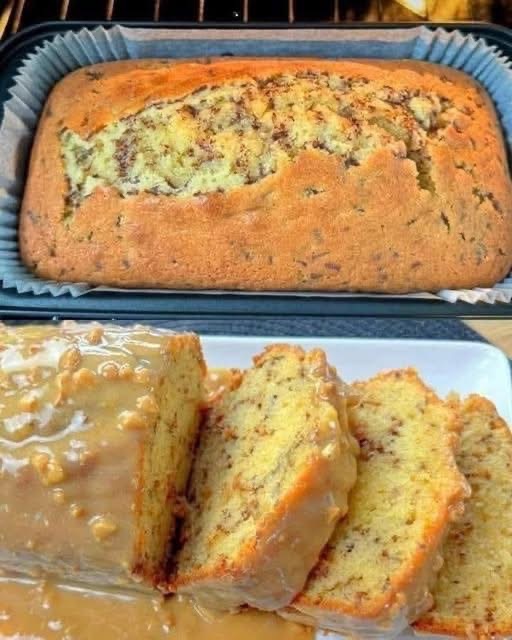
Classic Moist Banana Cake Recipe
A Complete Step-by-Step Guide for a Soft, Flavorful Homemade Cake
Banana cake is one of those timeless recipes that feels both nostalgic and endlessly adaptable. Made with ripe bananas, simple pantry staples, and a straightforward mixing method, this cake delivers a moist crumb, rich banana flavor, and comforting sweetness that works equally well as a casual snack or a dressed-up dessert. Unlike banana bread, which tends to be denser and more loaf-like, banana cake is softer, lighter, and more tender, with a finer crumb that makes it ideal for layering, frosting, or serving plain with tea or coffee.
This recipe is designed for home bakers of all skill levels. It relies on ingredients you likely already have, avoids complicated techniques, and explains not just what to do, but why each step matters. Whether you are baking to use up overripe bananas, preparing a cake for a family gathering, or building content for a food website, this banana cake recipe delivers reliable, bakery-quality results.
Why This Banana Cake Recipe Works
The success of this cake comes down to balance. Ripe bananas provide natural sweetness, moisture, and flavor. A blend of white and brown sugar creates depth while keeping the crumb soft. Butter or oil adds richness, eggs provide structure, and a modest amount of milk ensures the batter stays smooth and pourable. Baking soda reacts with the acidity of the bananas to give the cake lift without making it dry or crumbly.
This recipe is intentionally flexible. You can bake it in a single pan, a loaf pan, or even as layers. You can frost it, glaze it, or serve it plain. You can keep it classic or customize it with nuts, spices, or chocolate. At its core, it is a dependable, well-tested banana cake that adapts easily to different tastes and occasions.
Ingredients and Their Roles
Understanding the purpose of each ingredient will help you achieve consistent results and make smart adjustments if needed.
Bananas: 3 Very Ripe Bananas (Mashed)
The bananas are the heart of this recipe. The riper they are, the better the cake will taste. Overripe bananas with brown or black spots are ideal because their starches have converted into sugars, making them sweeter, softer, and more aromatic. When mashed, they add moisture and a concentrated banana flavor that carries through the cake.
Flour: 2 Cups All-Purpose Flour
All-purpose flour provides structure. It contains enough protein to give the cake stability while still keeping the crumb tender. Measuring accurately is important. Too much flour can make the cake dry or heavy, while too little can cause it to sink in the center.
Sugar: 1 Cup Sugar (White and Brown)
Using a combination of white and brown sugar enhances flavor and texture. White sugar contributes sweetness and helps the cake rise, while brown sugar adds moisture and a subtle caramel note due to its molasses content. You can adjust the ratio to your preference, but keeping both types results in a more complex flavor.
Butter or Oil: ½ Cup Softened Butter or Vegetable Oil
Butter adds richness and flavor, while oil produces an especially moist crumb. Either option works well. Butter gives a slightly firmer texture and classic taste, while oil keeps the cake softer for longer. Choose based on your preference or what you have on hand.
Eggs: 2 Large Eggs
Eggs bind the ingredients together, add structure, and contribute moisture. They also help emulsify the fat and liquid components, creating a smooth, uniform batter. Using room-temperature eggs allows them to incorporate more evenly.
Milk: ¼ Cup Milk
Milk loosens the batter and adds tenderness. It ensures the cake bakes evenly and prevents it from becoming too dense. Whole milk is ideal, but low-fat milk can also be used.
Leavening Agents: 1 Teaspoon Baking Soda + a Pinch of Salt
Baking soda reacts with the acidity in the bananas to help the cake rise. Salt enhances all the flavors and balances the sweetness. Even a small pinch makes a noticeable difference in the final taste.
Equipment Needed
- Mixing bowls (one large, one medium)
- Fork or potato masher for bananas
- Whisk or hand mixer
- Rubber spatula
- Measuring cups and spoons
- Cake pan (9-inch round or square) or loaf pan
- Parchment paper (optional)
- Oven
Step-by-Step Instructions
Step 1: Prepare the Oven and Pan
Preheat your oven to 175°C (350°F). Grease your cake pan thoroughly with butter or oil. For extra insurance, line the bottom with parchment paper and lightly grease it as well. This prevents sticking and makes removal easier.
Step 2: Mash the Bananas
In a medium bowl, peel and mash the bananas using a fork or potato masher. The mixture should be mostly smooth with a few small lumps. These small bits add texture and bursts of banana flavor in the finished cake.
Step 3: Cream the Butter (If Using Butter)
If using butter, place the softened butter and sugar in a large mixing bowl. Beat until light and fluffy. This process incorporates air into the mixture, which contributes to a lighter cake. If using oil instead of butter, simply whisk the oil and sugar together until combined.
Step 4: Add the Eggs
Add the eggs one at a time, mixing well after each addition. This gradual incorporation helps maintain a smooth, stable batter and prevents curdling.
Step 5: Mix in the Bananas
Add the mashed bananas to the wet mixture and stir until evenly combined. The batter may look slightly curdled at this stage, which is normal.
Step 6: Combine Dry Ingredients
In a separate bowl, whisk together the flour, baking soda, and salt. Whisking ensures the leavening agent is evenly distributed throughout the flour.
Step 7: Combine Wet and Dry Ingredients
Add the dry ingredients to the wet mixture in two or three additions, alternating with the milk. Begin and end with the dry ingredients. Mix gently using a spatula or low mixer speed. Overmixing can develop gluten and result in a tough cake.
Step 8: Pour and Level
Pour the batter into the prepared pan. Use a spatula to spread it evenly and smooth the top.
Step 9: Bake
Place the pan in the center of the oven and bake for 35 to 45 minutes, depending on your pan size and oven. The cake is done when a toothpick inserted into the center comes out clean or with a few moist crumbs.
Step 10: Cool
Allow the cake to cool in the pan for 10 to 15 minutes, then turn it out onto a wire rack to cool completely. Cooling fully before slicing or frosting ensures the best texture.
Texture, Flavor, and Appearance
When baked correctly, this banana cake has a golden-brown surface, a soft and tender crumb, and a pronounced banana aroma. The interior should be moist without being wet or gummy. Each slice holds together well while remaining light and fluffy.
Serving Suggestions
This banana cake is delicious on its own, but it also pairs well with a variety of toppings:
- A light dusting of powdered sugar
- A simple vanilla glaze
- Cream cheese frosting
- Whipped cream and fresh fruit
Serve it at room temperature for the best flavor.
Variations and Add-Ins
This base recipe can be customized easily:
Nutty Banana Cake
Add ½ cup chopped walnuts or pecans for crunch and contrast.
Chocolate Banana Cake
Fold in ½ cup chocolate chips or chunks before baking.
Spiced Banana Cake
Add 1 teaspoon cinnamon or a pinch of nutmeg for warmth.
Dairy-Free Version
Use oil instead of butter and a plant-based milk.
Storage and Shelf Life
- Room Temperature: Store in an airtight container for up to 2 days.
- Refrigerator: Keeps well for up to 5 days. Bring to room temperature before serving.
- Freezer: Wrap tightly and freeze for up to 3 months.
Common Mistakes to Avoid
- Using underripe bananas, which lack sweetness and moisture
- Overmixing the batter, leading to a dense texture
- Baking at too high a temperature, causing dryness
- Skipping salt, which dulls the flavor
Frequently Asked Questions
Can I make this cake ahead of time?
Yes. Banana cake actually improves in flavor after a day as the moisture redistributes.
Can I reduce the sugar?
You can reduce it slightly, but too little sugar will affect moisture and texture.
Is this the same as banana bread?
No. Banana cake is lighter and softer, while banana bread is denser.
Final Thoughts
This banana cake recipe is a reliable classic that deserves a place in every baker’s collection. With its simple ingredients, forgiving method, and consistently moist results, it is perfect for everyday baking as well as special occasions. Whether served plain or dressed up with frosting, it highlights the natural sweetness of ripe bananas in the most satisfying way.
By following the detailed steps and understanding the role of each ingredient, you can confidently produce a banana cake that looks beautiful, tastes rich, and stays moist for days. This is the kind of recipe that readers bookmark, return to, and share, making it an excellent choice for any food website or personal kitchen.