
Slow Cooker Pulled Pork: A Complete Guide to Perfectly Tender, Flavor-Packed Pork
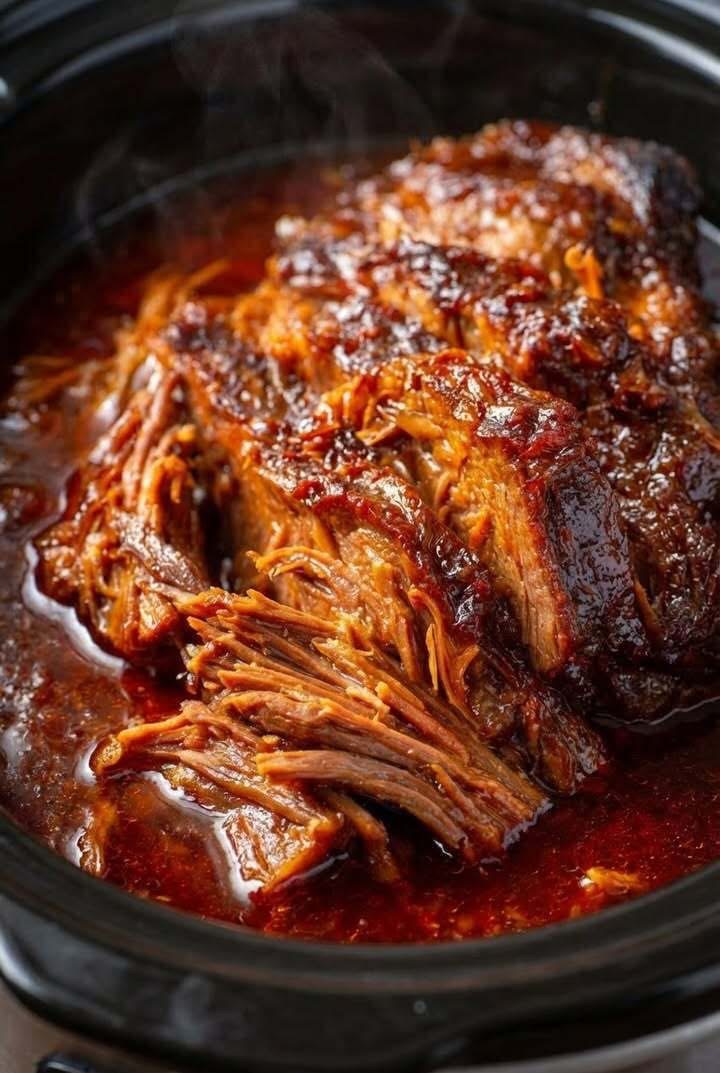
Few dishes deliver comfort, versatility, and crowd-pleasing flavor quite like slow cooker pulled pork. With its deep mahogany color, fall-apart texture, and sauce that clings to every strand of meat, this dish is a staple for home cooks who want big results without complicated techniques.
This recipe is designed to give you restaurant-quality pulled pork at home, using simple ingredients, patient cooking, and proven methods. Whether you are serving it at a family dinner, a weekend gathering, or preparing meals for the week ahead, this pulled pork recipe offers reliable results and outstanding flavor every time.
This guide goes beyond a basic recipe. You will learn:
- Why specific cuts of pork matter
- How to build layers of flavor
- The science behind slow cooking
- Sauce customization options
- Storage, reheating, and serving ideas
By the end, you will not only know how to make exceptional pulled pork, but also how to adapt it to your personal taste and cooking style.
Why Slow Cooker Pulled Pork Works So Well
Pulled pork is traditionally made from tougher cuts of meat that are rich in connective tissue. These cuts are not ideal for quick cooking, but they shine when cooked slowly at low temperatures. Over time, collagen breaks down into gelatin, transforming the meat into something incredibly tender and juicy.
The slow cooker is ideal for this process because:
- It maintains consistent low heat
- It minimizes moisture loss
- It allows flavors to develop gradually
- It requires very little active cooking time
Unlike oven roasting or smoking, slow cooking is forgiving. Even beginner cooks can achieve excellent results by following a few fundamental principles.
Choosing the Right Cut of Pork
The foundation of great pulled pork is the cut of meat. Not all pork is created equal, and using the wrong cut can lead to dry or flavorless results.
Best Cut: Pork Shoulder
Pork shoulder is the gold standard for pulled pork. It may be labeled as:
- Pork shoulder
- Pork butt
- Boston butt
Despite the name, pork butt comes from the upper shoulder, not the rear of the animal.
Why pork shoulder works:
- High fat content keeps the meat moist
- Abundant connective tissue breaks down during slow cooking
- Large size is ideal for feeding groups
Bone-In vs Boneless
Both options work well, but there are differences:
- Bone-in pork shoulder offers slightly more flavor and helps regulate cooking temperature
- Boneless pork shoulder is easier to handle and shred
If using bone-in, the bone will slide out cleanly when the pork is fully cooked.
Size Recommendation
A 4 to 6 pound pork shoulder is ideal for most slow cookers and yields generous portions. Plan on about ½ pound of raw pork per person.
Ingredients Overview
This recipe balances savory, sweet, tangy, and smoky flavors. Everything works together to create a sauce that is bold without overpowering the pork.
For the Pork
- 4–6 lb pork shoulder
- 2 teaspoons kosher salt
- 2 teaspoons black pepper
- 2 teaspoons smoked paprika
- 1 teaspoon garlic powder
- 1 teaspoon onion powder
- 1 teaspoon chili powder
For the Cooking Liquid and Sauce
- 1 large onion, sliced
- 4 cloves garlic, minced
- 1 cup barbecue sauce (your preferred style)
- ½ cup ketchup
- ¼ cup apple cider vinegar
- ¼ cup brown sugar
- 2 tablespoons Worcestershire sauce
- 1 tablespoon yellow or Dijon mustard
- ½ cup chicken broth or apple juice
These ingredients create a sauce that thickens naturally during cooking and coats the pork beautifully after shredding.
Preparing the Pork
Step 1: Trim Excess Fat
Pork shoulder naturally contains fat, which is desirable, but thick exterior fat caps should be trimmed down to about ¼ inch. This prevents the dish from becoming greasy while still preserving moisture.
Step 2: Season Generously
Combine salt, pepper, smoked paprika, garlic powder, onion powder, and chili powder. Rub the seasoning evenly over the entire surface of the pork, pressing it into the meat.
Seasoning at this stage ensures the pork is flavorful all the way through, not just on the surface after cooking.
Step 3: Optional Searing
While not required, searing the pork before slow cooking adds depth of flavor.
To sear:
- Heat a heavy skillet over medium-high heat
- Add a small amount of oil
- Brown the pork on all sides until a dark crust forms
Transfer the pork directly into the slow cooker.
Building the Flavor Base
The sauce is not just a topping; it is an integral part of the cooking process.
- Scatter sliced onions across the bottom of the slow cooker
- Add minced garlic evenly
- Whisk together barbecue sauce, ketchup, vinegar, brown sugar, Worcestershire sauce, mustard, and broth
- Pour the mixture over the pork
The onions soften and partially dissolve during cooking, adding body and sweetness to the sauce.
Slow Cooking Instructions
Cooking Time and Temperature
- Low setting: 8–10 hours (recommended)
- High setting: 5–6 hours
Low and slow produces the most tender results.
How to Know It’s Done
The pork is ready when:
- A fork slides in easily
- The meat pulls apart with minimal resistance
- Internal temperature reaches 195–205°F
At this stage, collagen has fully broken down and the pork is at peak tenderness.
Shredding the Pork
Remove the pork from the slow cooker and place it on a large cutting board or tray.
Using two forks:
- Pull the meat apart along natural grain lines
- Discard large pieces of fat
- Remove the bone if present
Shred the pork into bite-sized strands, not mush. Texture matters.
Refining the Sauce
Before returning the pork to the slow cooker:
- Skim excess fat from the surface of the liquid
- Taste the sauce and adjust seasoning
Possible adjustments:
- Add vinegar for brightness
- Add brown sugar for sweetness
- Add salt or pepper as needed
Return the shredded pork to the sauce and stir gently to coat every strand.
Let it sit on warm for 20–30 minutes so the pork absorbs the sauce fully.
Flavor Variations
This base recipe can be adapted to suit many preferences.
Classic Southern Style
- Use a vinegar-forward barbecue sauce
- Add extra apple cider vinegar
- Reduce brown sugar slightly
Sweet and Smoky
- Add molasses or honey
- Increase smoked paprika
- Use a hickory or mesquite barbecue sauce
Spicy Pulled Pork
- Add cayenne pepper
- Use chipotle peppers in adobo
- Finish with hot sauce
Carolina-Inspired
- Skip ketchup
- Increase vinegar
- Add crushed red pepper flakes
Serving Suggestions
Pulled pork is incredibly versatile and can be served in countless ways.
Sandwiches
Serve on soft brioche buns with:
- Coleslaw
- Pickles
- Extra sauce
Tacos
Use warm tortillas and top with:
- Red onion
- Cilantro
- Lime juice
Bowls
Pair with:
- Rice or quinoa
- Roasted vegetables
- Beans
Sliders or Party Platters
Perfect for gatherings and events.
Storage and Reheating
Refrigeration
- Store in an airtight container
- Keeps well for up to 4 days
Freezing
- Cool completely before freezing
- Freeze in portioned containers
- Keeps for up to 3 months
Reheating
Reheat gently to preserve moisture:
- Stovetop with a splash of broth
- Microwave covered
- Slow cooker on low
Avoid high heat, which can dry out the pork.
Common Mistakes to Avoid
- Using lean cuts like pork loin
- Skipping seasoning
- Overcooking on high heat
- Discarding all the cooking liquid
- Shredding too finely
Pulled pork should be juicy, structured, and deeply flavored.
Final Thoughts
This slow cooker pulled pork recipe is built on patience, balance, and respect for the ingredient. It proves that exceptional food does not require complicated methods or hard-to-find ingredients. With the right cut of pork and a thoughtfully crafted sauce, you can create a dish that feels both comforting and impressive.
Whether you are feeding a crowd or stocking your freezer, this pulled pork delivers consistent, satisfying results. It is the kind of recipe that becomes a household staple, requested again and again, and passed along with confidence.