
Mango Cheesecake Bars: A Complete Guide to a Creamy, Tropical Dessert
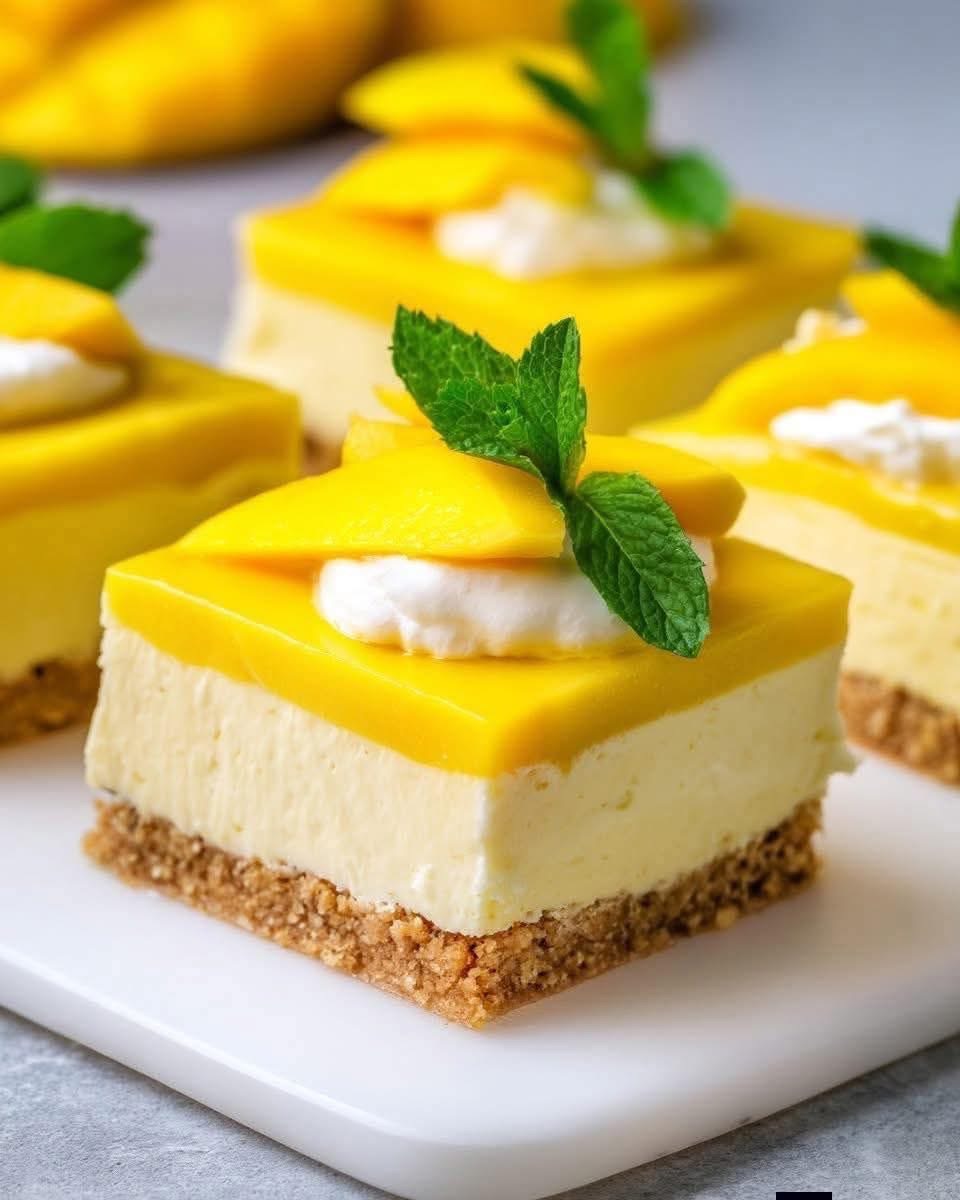
Mango cheesecake bars combine the richness of classic cheesecake with the bright, tropical sweetness of ripe mangoes. With a buttery biscuit base, a smooth and creamy cheesecake layer, and a vibrant mango topping, this dessert delivers both elegance and comfort in every bite. These bars are visually striking, easy to portion, and perfect for entertaining, special occasions, or simply elevating everyday desserts.
This recipe is designed to be reliable, adaptable, and detailed enough for home bakers of all skill levels. Whether you are making cheesecake bars for the first time or refining your technique, this guide walks you through every step, from ingredient selection to storage and serving ideas.
By the end of this article, you will understand not only how to make mango cheesecake bars, but also why each step matters and how to customize the recipe to suit your taste and kitchen setup.
Why Mango Cheesecake Bars Are So Popular
Cheesecake bars offer all the indulgence of traditional cheesecake in a more approachable format. They bake faster, chill more evenly, and are easier to slice and serve. Adding mango introduces a balance of sweetness and acidity that keeps the dessert from feeling heavy.
Key reasons this dessert works so well:
- The biscuit crust provides structure and contrast
- The cheesecake layer is rich but not overpowering
- Mango adds freshness, color, and natural sweetness
- Bars are easy to transport and portion
- The recipe can be made ahead of time
This dessert is especially popular in warmer months, but it works year-round thanks to the availability of frozen or canned mango purée.
Understanding the Components
Great mango cheesecake bars rely on three distinct layers. Each layer plays a specific role, and success comes from understanding how they work together.
1. Biscuit or Graham Cracker Crust
The base provides stability and texture. It should be firm enough to hold the cheesecake but tender enough to cut cleanly.
2. Cheesecake Filling
This is the heart of the dessert. A proper cheesecake filling should be:
- Smooth and lump-free
- Creamy but structured
- Balanced between sweet and tangy
3. Mango Topping
The mango layer adds brightness and visual appeal. It should be silky, glossy, and just firm enough to slice without running.
Ingredient Selection and Preparation
Using high-quality ingredients makes a noticeable difference, especially in a dessert with simple flavors.
For the Crust
- 250 g digestive biscuits or graham crackers
- 120 g unsalted butter, melted
Digestive biscuits provide a slightly richer, wheaty flavor, while graham crackers are more traditional. Either works well.
For the Cheesecake Layer
- 500 g full-fat cream cheese, softened
- 150 g granulated sugar
- 2 large eggs, room temperature
- 200 ml heavy cream
- 1 teaspoon vanilla extract
- 1 tablespoon lemon juice
- 1 tablespoon cornstarch
Full-fat cream cheese is essential. Reduced-fat versions can lead to a grainy texture and weak structure.
For the Mango Layer
- 300 g mango purée (fresh or canned)
- 70 g sugar (adjust to taste)
- 1 tablespoon lemon or lime juice
- 2 teaspoons gelatin powder or agar-agar (adjust based on setting agent used)
- 60 ml water
Fresh mangoes should be ripe, fragrant, and deep yellow inside. Fibrous varieties should be strained after blending.
Equipment You Will Need
- 9×9 inch square baking pan
- Parchment paper
- Food processor or rolling pin
- Mixing bowls
- Electric mixer or whisk
- Spatula
- Fine mesh sieve
- Saucepan
Proper preparation and organization make the process smooth and stress-free.
Step-by-Step Instructions
Preparing the Pan
Line the baking pan with parchment paper, leaving enough overhang on two sides to lift the bars out later. Lightly grease the parchment to prevent sticking.
This step ensures clean removal and professional-looking slices.
Making the Biscuit Crust
- Crush the biscuits into fine crumbs using a food processor or by sealing them in a bag and crushing with a rolling pin.
- Transfer crumbs to a bowl and pour in the melted butter.
- Mix until the texture resembles damp sand.
- Press the mixture firmly into the base of the prepared pan using the bottom of a glass or measuring cup.
- Chill the crust in the refrigerator for at least 20 minutes, or bake at 180°C (350°F) for 10 minutes for extra firmness.
A well-compacted crust prevents crumbling and creates clean layers.
Preparing the Cheesecake Filling
- Beat the softened cream cheese and sugar together until smooth and creamy. Scrape down the sides of the bowl frequently.
- Add eggs one at a time, mixing gently after each addition. Avoid overmixing, which can incorporate air and cause cracking.
- Mix in the heavy cream, vanilla extract, lemon juice, and cornstarch.
- Continue mixing just until the batter is smooth and uniform.
The goal is a silky batter with no lumps and minimal air bubbles.
Baking the Cheesecake Layer
- Pour the cheesecake batter over the chilled crust.
- Smooth the top with a spatula.
- Bake at 160°C (320°F) for 40–45 minutes, or until the center is just set and slightly wobbly.
- Turn off the oven, crack the door slightly, and let the cheesecake cool gradually for 30 minutes.
- Transfer to room temperature, then refrigerate for at least 4 hours or overnight.
Slow cooling helps prevent cracks and ensures a creamy texture.
Making the Mango Topping
The mango layer should be bright, smooth, and gently set.
Preparing the Mango Purée
If using fresh mango:
- Peel and chop the flesh
- Blend until smooth
- Strain through a fine sieve to remove fibers
If using canned purée, taste it first and adjust sugar accordingly.
Cooking the Mango Layer
- In a saucepan, combine mango purée, sugar, and lemon juice.
- Heat gently over medium-low heat, stirring constantly.
- In a small bowl, bloom the gelatin by mixing it with water and letting it sit for 5 minutes.
- Once the mango mixture is warm and sugar dissolved, remove from heat and stir in the gelatin until fully dissolved.
Do not boil the mixture, as excessive heat can weaken the setting power.
Assembling the Bars
- Allow the mango mixture to cool slightly, but not set.
- Pour it gently over the chilled cheesecake layer.
- Tilt the pan if needed to distribute evenly.
- Refrigerate for at least 3–4 hours, or until fully set.
For best results, chill overnight before slicing.
Slicing and Presentation
Use a sharp knife dipped in hot water and wiped clean between cuts. This ensures clean, professional-looking edges.
Cut into squares or rectangles depending on presentation preference. Garnish with:
- Fresh mango slices
- Whipped cream
- Mint leaves
These additions enhance appearance without overpowering the dessert.
Flavor Variations and Adaptations
No-Bake Version
Skip baking the cheesecake layer and set it using gelatin or agar-agar. This creates a lighter texture and is ideal for hot weather.
Coconut Mango Cheesecake Bars
Add coconut cream to the cheesecake layer and use coconut biscuits for the crust.
Mango Passion Fruit
Replace part of the mango purée with passion fruit for added tang.
Vegan Option
Use plant-based cream cheese, coconut cream, and agar-agar. The texture will be slightly different but still delicious.
Storage and Make-Ahead Tips
Refrigeration
- Store in an airtight container
- Keeps well for up to 4 days
Freezing
- Freeze without garnish
- Wrap tightly to prevent freezer burn
- Thaw overnight in the refrigerator
The texture remains excellent when frozen properly.
Common Mistakes to Avoid
- Using cold cream cheese, which causes lumps
- Overmixing the batter
- Skipping the chilling time
- Using underripe mangoes
- Pouring hot mango topping over warm cheesecake
Attention to detail ensures consistent results.
Serving Suggestions
Mango cheesecake bars pair beautifully with:
- Black tea or green tea
- Coffee or espresso
- Light dessert wines
They work equally well as a plated dessert or part of a dessert table.
Final Thoughts
Mango cheesecake bars are a perfect balance of indulgence and freshness. With their clean layers, vibrant color, and luxurious texture, they feel special without being complicated. This recipe emphasizes technique, ingredient quality, and thoughtful preparation to deliver consistent, bakery-quality results at home.