
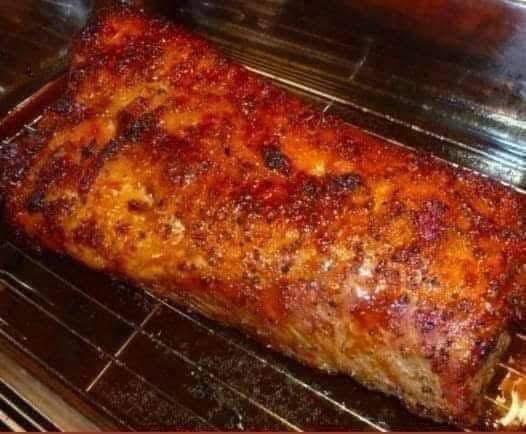
Old South Coca-Cola Pork Loin
There’s something timeless and comforting about a slow-roasted pork loin glazed in a rich, sweet-and-savory sauce. This Old South Coca-Cola Pork Loin is one of those recipes that feels nostalgic, generous, and deeply satisfying. It combines pantry staples with a classic Southern favorite—Coca-Cola—to create a tender, flavorful roast with a beautifully caramelized glaze.
The balance of soy sauce, dark brown sugar, Dijon mustard, Worcestershire sauce, ketchup, and Coca-Cola results in a sauce that’s bold, slightly tangy, gently sweet, and layered with complexity. As the pork roasts, the glaze thickens and transforms into a glossy coating that locks in moisture and delivers flavor in every bite.
If you love recipes that are simple to prepare but impressive enough for guests, this pork loin belongs in your permanent collection. It’s perfect for Sunday dinners, holiday meals, potlucks, or anytime you want a comforting main dish that feeds a crowd.
Why You’ll Love This Recipe
This recipe works beautifully because it balances contrasting flavors. The sweetness of the Coca-Cola and brown sugar enhances the natural savoriness of the pork. The soy sauce and Worcestershire add depth and umami. Dijon mustard provides subtle tang and structure. Ketchup rounds it all out with mild acidity and tomato richness.
Here are a few reasons this recipe stands out:
- Tender, juicy pork every time
- Simple pantry ingredients
- Sweet and savory glaze with depth
- Perfect for family dinners or gatherings
- Easy to make ahead
- Minimal prep with big flavor payoff
Ingredients
For the Pork and Glaze
- 1 pork loin (3 to 4 pounds)
- 1/4 cup soy sauce
- 1 cup Coca-Cola
- 1/2 cup dark brown sugar, packed
- 2 tablespoons Dijon mustard
- 3 tablespoons oil (vegetable or canola)
- 2 tablespoons Worcestershire sauce
- 1/3 cup ketchup
- Optional: 3 cloves garlic, minced
- Optional: 1 teaspoon black pepper
Choosing the Right Pork Loin
When shopping, look for a boneless pork loin roast, not pork tenderloin. Pork loin is larger and more suitable for roasting. It typically weighs between 3 and 5 pounds and has a light layer of fat on top, which helps keep it moist during cooking.
Avoid confusing pork loin with pork shoulder. Pork shoulder is fattier and better suited for slow shredding. Pork loin is leaner and ideal for slicing.
For best results:
- Choose a roast with even thickness
- Avoid excessive surface moisture
- Look for a light pink color with minimal gray spots
- Leave a thin layer of fat for added flavor
Understanding the Flavor Profile
This recipe may sound unusual because of the Coca-Cola, but it serves a clear purpose. The soda adds sweetness, subtle caramel notes, and acidity. As it cooks down, the sugars concentrate and form a sticky glaze that complements the pork beautifully.
Here’s what each ingredient contributes:
- Soy sauce: Salty depth and umami
- Coca-Cola: Sweetness and caramel undertones
- Dark brown sugar: Molasses richness and body
- Dijon mustard: Gentle tang and balance
- Worcestershire sauce: Savory complexity
- Ketchup: Tomato base and mild acidity
- Oil: Helps distribute flavor and promote browning
Together, these ingredients create a glaze that clings to the meat and caramelizes as it roasts.
Step-by-Step Instructions
Step 1: Prepare the Pork
Remove the pork loin from the refrigerator about 30 minutes before cooking to allow it to come closer to room temperature. This promotes even roasting.
Pat the pork dry with paper towels. Drying the surface helps the glaze adhere and encourages proper browning.
If desired, lightly season the pork with black pepper. Since the glaze contains soy sauce, additional salt is usually unnecessary.
Step 2: Prepare the Coca-Cola Glaze
In a medium bowl, whisk together:
- Soy sauce
- Coca-Cola
- Dark brown sugar
- Dijon mustard
- Oil
- Worcestershire sauce
- Ketchup
Whisk until the brown sugar is mostly dissolved and the mixture is smooth.
If using minced garlic, stir it in at this stage.
Step 3: Marinate (Optional but Recommended)
Place the pork loin in a large zip-top bag or shallow dish. Pour about two-thirds of the glaze over the pork, reserving the remaining glaze for basting.
Seal or cover and refrigerate for at least 2 hours, preferably overnight.
Marinating allows the flavors to penetrate the meat and improves tenderness.
Step 4: Preheat the Oven
Preheat your oven to 350°F (175°C).
Lightly grease a roasting pan or baking dish.
Remove the pork from the marinade and place it fat-side up in the roasting pan. Discard used marinade.
Step 5: Roast the Pork
Pour a small amount of fresh glaze over the top of the pork. Reserve the rest for basting.
Roast uncovered for approximately 20 minutes per pound, or until the internal temperature reaches 145°F (63°C).
For a 4-pound roast, this typically takes about 1 hour and 20 minutes.
Every 20 minutes, baste the pork with the reserved glaze to build layers of flavor and encourage caramelization.
Step 6: Create the Caramelized Finish
During the final 10–15 minutes of roasting, increase the oven temperature to 400°F to help the glaze thicken and caramelize.
Watch carefully to prevent burning, as the sugars can darken quickly.
If desired, you can spoon pan juices over the roast to enhance the glaze.
Step 7: Rest Before Slicing
Once the internal temperature reaches 145°F, remove the pork from the oven.
Tent loosely with foil and allow it to rest for 10–15 minutes. Resting allows the juices to redistribute, resulting in moist slices.
Do not skip this step.
Making a Pan Sauce
While the pork rests, you can turn the pan drippings into a sauce.
- Pour the drippings into a saucepan.
- Simmer over medium heat until slightly thickened.
- If needed, whisk in a small slurry of cornstarch and water to thicken.
Drizzle over sliced pork before serving.
Texture and Flavor Results
When prepared correctly, this pork loin should be:
- Tender but sliceable
- Juicy in the center
- Coated in a sticky, glossy glaze
- Balanced between sweet and savory
The exterior will have caramelized edges, while the interior remains moist and flavorful.
Serving Suggestions
This Old South Coca-Cola Pork Loin pairs beautifully with classic Southern-inspired sides.
Consider serving it with:
- Mashed potatoes
- Creamy mac and cheese
- Collard greens
- Green beans with bacon
- Sweet corn
- Buttermilk biscuits
- Roasted sweet potatoes
- Coleslaw
The sweet glaze complements both savory and mildly sweet side dishes.
Slow Cooker Option
If you prefer a hands-off method, this recipe adapts well to a slow cooker.
- Place the pork loin in the slow cooker.
- Pour the glaze over the top.
- Cook on low for 6–7 hours or high for 3–4 hours.
For caramelization, transfer the cooked pork to a baking sheet and broil for 3–5 minutes until the glaze thickens.
Reduce the cooking liquid on the stovetop to create a thicker sauce.
Make-Ahead Instructions
This dish is excellent for meal planning.
Marinate in Advance
Marinate the pork up to 24 hours in advance.
Cook Ahead
Roast fully, cool, and refrigerate for up to 3 days.
Reheat covered in a 300°F oven with a splash of water or broth to maintain moisture.
Storage and Reheating
Refrigeration
Store leftover pork in an airtight container for up to 4 days.
Freezing
Wrap tightly in plastic wrap and foil, then freeze for up to 3 months.
Thaw overnight in the refrigerator before reheating.
Reheating Tips
- Reheat slices gently in the oven
- Add a bit of sauce to prevent drying
- Avoid microwaving for extended periods
Variations
Spicy Version
Add 1 teaspoon crushed red pepper flakes or a splash of hot sauce to the glaze.
Garlic Herb Twist
Add fresh thyme and rosemary to the roasting pan.
Pineapple Addition
Replace half the Coca-Cola with pineapple juice for a tropical variation.
Bourbon Glaze
Add 2 tablespoons bourbon to the sauce for deeper Southern flavor.
Common Mistakes to Avoid
Overcooking
Pork loin becomes dry if cooked past 145°F.
Skipping the Resting Period
Cutting too soon causes juices to escape.
Using Pork Tenderloin Instead
Tenderloin cooks faster and requires adjusted timing.
Burning the Glaze
Monitor carefully when increasing oven temperature.
Frequently Asked Questions
Can I use diet soda?
Regular Coca-Cola is recommended because it contains sugar, which helps create the glaze.
Is this recipe overly sweet?
No. The soy sauce and mustard balance the sweetness effectively.
Can I grill this pork loin?
Yes. Sear over indirect heat and baste frequently. Monitor carefully to prevent burning.
What if I don’t have Dijon mustard?
Yellow mustard can substitute, though the flavor will be milder.
Nutritional Considerations
Pork loin is relatively lean compared to other cuts. To reduce sugar content:
- Decrease brown sugar slightly
- Use low-sodium soy sauce
- Serve with vegetable-forward sides
Entertaining Tips
This roast is ideal for gatherings because:
- It slices beautifully for presentation
- It feeds multiple guests
- It reheats well
- The glaze appeals to a wide range of tastes
Serve on a large platter with sauce drizzled over the top and fresh herbs for garnish.
The Southern Tradition of Coca-Cola in Cooking
Using Coca-Cola in savory dishes has long been a Southern tradition. The soda’s caramel flavor and acidity make it an effective tenderizer and glaze component. From ham to ribs, it has been a pantry staple in Southern kitchens for generations.
This pork loin recipe honors that tradition while remaining simple enough for everyday cooking.
Final Thoughts
Old South Coca-Cola Pork Loin is more than just a roast. It is a comforting, dependable recipe that combines sweet and savory flavors into a beautifully glazed centerpiece.
With minimal prep and familiar ingredients, you can create a dish that feels both nostalgic and impressive. The caramelized glaze, tender slices, and rich aroma make it ideal for family dinners, holidays, and special gatherings.
Keep this recipe in your collection, and it will serve you well for years to come.