
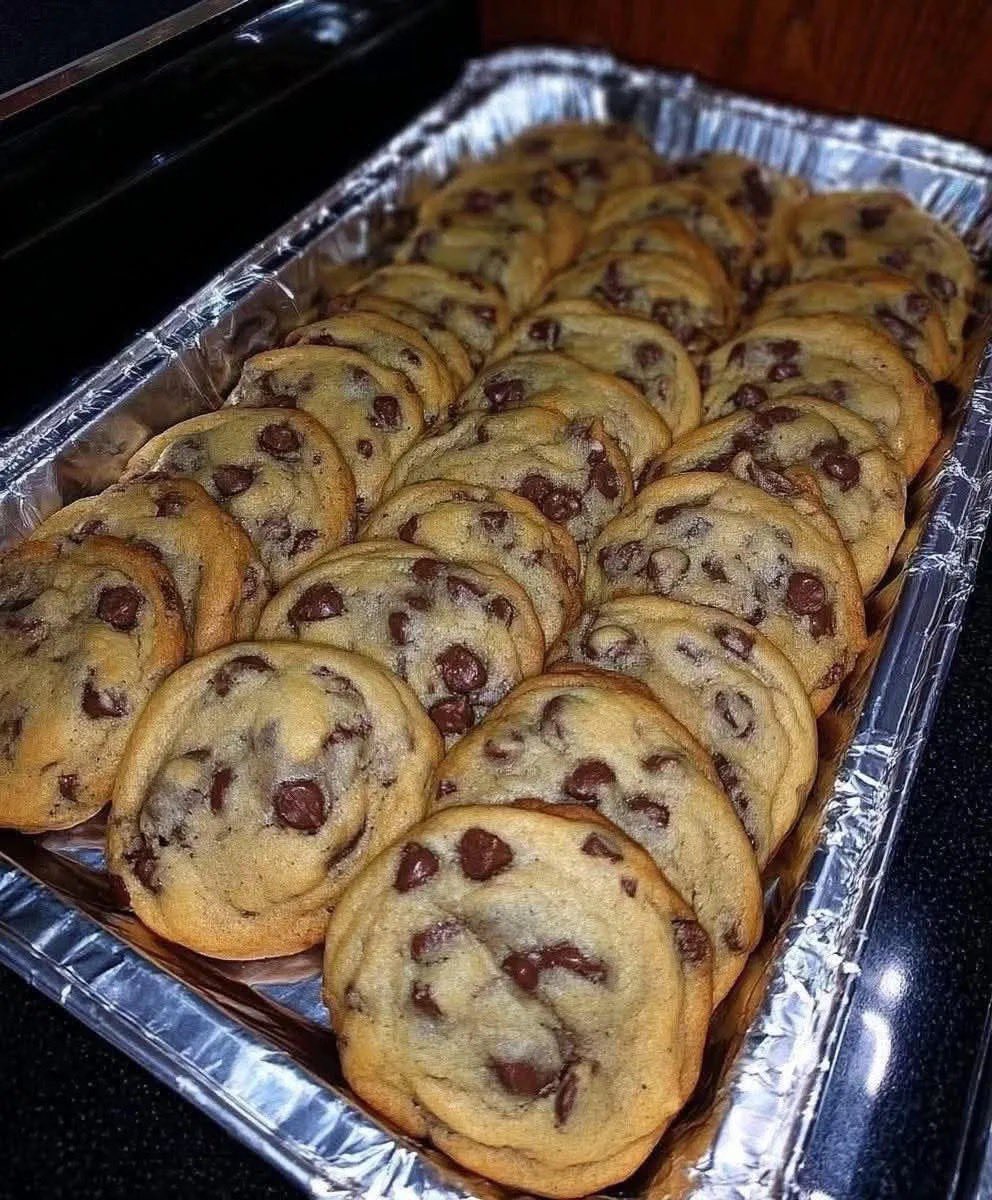
Brown Butter Chocolate Chip Cookies
There are chocolate chip cookies, and then there are brown butter chocolate chip cookies. The difference lies in one simple yet transformative step: browning the butter. That extra few minutes at the stove deepens the flavor, adds a rich nutty aroma, and creates a cookie with a caramelized complexity that feels both nostalgic and sophisticated. If you have ever loved a classic chocolate chip cookie, this version will take everything you adore and amplify it.
These Brown Butter Chocolate Chip Cookies are chewy in the center, lightly crisp at the edges, packed with melty semi-sweet chocolate chips, and infused with deep toffee-like notes from the browned butter. They are perfect for bake sales, family gatherings, holiday cookie trays, or simply when you want a homemade treat that tastes bakery-quality.
This long-form guide will walk you through every detail: why browning butter matters, how to do it properly, ingredient insights, step-by-step instructions, baking tips, troubleshooting, storage advice, and variations. By the end, you will feel confident making these cookies again and again.
Ingredients
1 cup unsalted butter (2 sticks)
1 cup brown sugar, packed
½ cup granulated sugar
2 large eggs
2 teaspoons vanilla extract
2 ½ cups all-purpose flour
1 teaspoon baking soda
½ teaspoon salt
1 ½ cups semi-sweet chocolate chips
Why Brown Butter Makes a Difference
Brown butter, also known as beurre noisette, is butter that has been gently cooked until the milk solids turn golden brown. As the butter cooks, water evaporates and the milk solids toast, creating a rich, nutty aroma and a flavor that resembles caramel and hazelnuts. This process enhances the sweetness of the sugars and complements the chocolate beautifully.
In traditional chocolate chip cookies, softened butter is creamed with sugar. In this recipe, the butter is melted and browned first, which changes both the flavor and texture. Melted butter produces a denser, chewier cookie, while browned butter introduces depth that tastes almost gourmet.
When done correctly, browned butter adds complexity without requiring any additional ingredients. It is a simple upgrade that makes a noticeable difference.
Step 1: Browning the Butter
Start by placing the unsalted butter in a light-colored saucepan or skillet. Using a light pan helps you see the color change clearly. Turn the heat to medium and allow the butter to melt completely.
Once melted, the butter will begin to bubble and foam. This is the water evaporating. Stir frequently with a wooden spoon or heatproof spatula to prevent the milk solids from sticking or burning.
After several minutes, you will notice the bubbling slow slightly and small brown specks forming at the bottom of the pan. The aroma will shift from buttery to nutty and fragrant. This is your cue that the butter is browning.
Continue stirring until the butter turns a golden amber color. Be careful not to let it go too far. If it turns dark brown or smells burnt, it has gone too far. Remove the pan from heat immediately once you see a deep golden brown color and smell a toasted, nutty scent.
Pour the browned butter, including the browned bits at the bottom, into a heatproof bowl. Allow it to cool for about 15 to 20 minutes. It should be warm but not hot when mixing with the sugars. If it is too hot, it could scramble the eggs later.
Step 2: Mixing the Sugars
In a large mixing bowl, combine the packed brown sugar and granulated sugar. The brown sugar provides moisture and chewiness, while the granulated sugar helps create crisp edges and structure.
Pour the cooled browned butter over the sugars. Using a whisk or an electric mixer, mix until smooth and glossy. The mixture will look slightly thicker than melted butter alone because of the dissolved sugars.
Step 3: Adding Eggs and Vanilla
Add the eggs one at a time, mixing well after each addition. This helps incorporate air and ensures a smooth dough. Stir in the vanilla extract. The vanilla enhances the caramel notes of the browned butter and rounds out the flavor.
The mixture should be smooth and slightly thick. If it looks separated or oily, continue mixing until it comes together.
Step 4: Combining Dry Ingredients
In a separate bowl, whisk together the all-purpose flour, baking soda, and salt. Whisking evenly distributes the baking soda and salt throughout the flour.
Gradually add the dry ingredients to the wet mixture. Stir gently with a spatula or mix on low speed if using a mixer. Do not overmix. Mix just until no streaks of flour remain. Overmixing can lead to tough cookies.
Step 5: Adding the Chocolate Chips
Fold in the semi-sweet chocolate chips. Distribute them evenly throughout the dough. If desired, you can reserve a small handful of chocolate chips to press into the tops of the cookies before baking for a more visually appealing finish.
Step 6: Chilling the Dough
For best results, cover the bowl with plastic wrap and refrigerate the dough for at least 30 minutes. Chilling allows the flour to fully hydrate and the flavors to deepen. It also helps prevent the cookies from spreading too much during baking.
If you have time, chilling for 1 to 2 hours can produce even better texture and flavor.
Step 7: Shaping and Baking
Preheat your oven to 350°F (175°C). Line baking sheets with parchment paper.
Using a cookie scoop or spoon, portion the dough into balls about 2 tablespoons each. Place them on the prepared baking sheet, leaving about 2 inches of space between each cookie.
Bake for 10 to 12 minutes, or until the edges are golden brown and the centers still look slightly soft. The cookies will continue to set as they cool.
Remove the baking sheet from the oven and let the cookies cool on the sheet for 5 minutes before transferring them to a wire rack to cool completely.
Texture and Flavor Profile
These Brown Butter Chocolate Chip Cookies have crisp edges and chewy centers. The browned butter gives them a deep caramel undertone that pairs beautifully with semi-sweet chocolate. The brown sugar enhances the chewiness, while the granulated sugar ensures the edges have a slight crunch.
The chocolate chips melt into pockets of rich sweetness that balance the nutty butter flavor. Each bite offers contrast: crisp, soft, sweet, and slightly savory from the salt.
Tips for Perfect Cookies
Use room temperature eggs. Cold eggs can cause the butter mixture to seize.
Do not skip chilling the dough. It significantly improves texture.
Slightly underbake for softer centers. They will finish cooking on the baking sheet.
Use a light-colored pan to brown the butter so you can monitor the color change.
Measure flour correctly by spooning it into the measuring cup and leveling it off.
Common Troubleshooting
If cookies spread too much:
The dough may not have been chilled long enough. Try chilling longer next time.
If cookies are too cakey:
Too much flour could be the cause. Measure carefully.
If cookies are too flat and greasy:
The butter may have been too hot when mixed with sugars, or too little flour was used.
If cookies are dry:
They may have been overbaked. Remove them when the centers still look slightly soft.
Storage Instructions
Store completely cooled cookies in an airtight container at room temperature for up to 4 days. To keep them soft, you can place a slice of bread in the container. The cookies will absorb moisture from the bread.
For longer storage, freeze baked cookies in a sealed freezer-safe container for up to 3 months. Thaw at room temperature before serving.
You can also freeze unbaked dough balls. Place them on a tray to freeze individually, then transfer to a freezer bag. Bake directly from frozen, adding an extra 1 to 2 minutes to the baking time.
Variations and Add-Ins
Dark Chocolate: Substitute dark chocolate chips for a richer flavor.
White Chocolate and Macadamia: Replace semi-sweet chips with white chocolate chips and add chopped macadamia nuts.
Sea Salt Finish: Sprinkle flaky sea salt on top before baking for contrast.
Chopped Nuts: Add toasted walnuts or pecans for crunch.
Stuffed Cookies: Place a small piece of chocolate or caramel in the center of each dough ball before baking.
Serving Suggestions
Serve these cookies warm with a glass of cold milk. They are also delicious slightly reheated in the microwave for 10 seconds to melt the chocolate again.
For a dessert twist, sandwich vanilla ice cream between two cookies to create an ice cream sandwich. You can also crumble them over vanilla ice cream for added texture.
Why This Recipe Works
The success of this recipe lies in balancing moisture, sugar ratios, and fat content. Brown sugar contributes moisture due to its molasses content, ensuring chewiness. Granulated sugar promotes spreading and crisp edges. Browned butter reduces water content slightly while intensifying flavor. Baking soda provides lift without making the cookies too airy.
Every ingredient has a purpose, and when combined carefully, they create a cookie that is both comforting and elevated.
Final Thoughts
Brown Butter Chocolate Chip Cookies are a timeless treat with a flavorful upgrade. They combine classic comfort with rich, nutty depth that makes them unforgettable. Whether you are baking for family, friends, or simply yourself, these cookies are guaranteed to impress.
Once you experience the flavor of browned butter in a chocolate chip cookie, it may become your go-to method forever. The aroma alone is enough to make your kitchen feel warm and inviting, and the first bite confirms that the extra step was absolutely worth it.
Bake them once, and they are sure to become a staple in your recipe collection.