
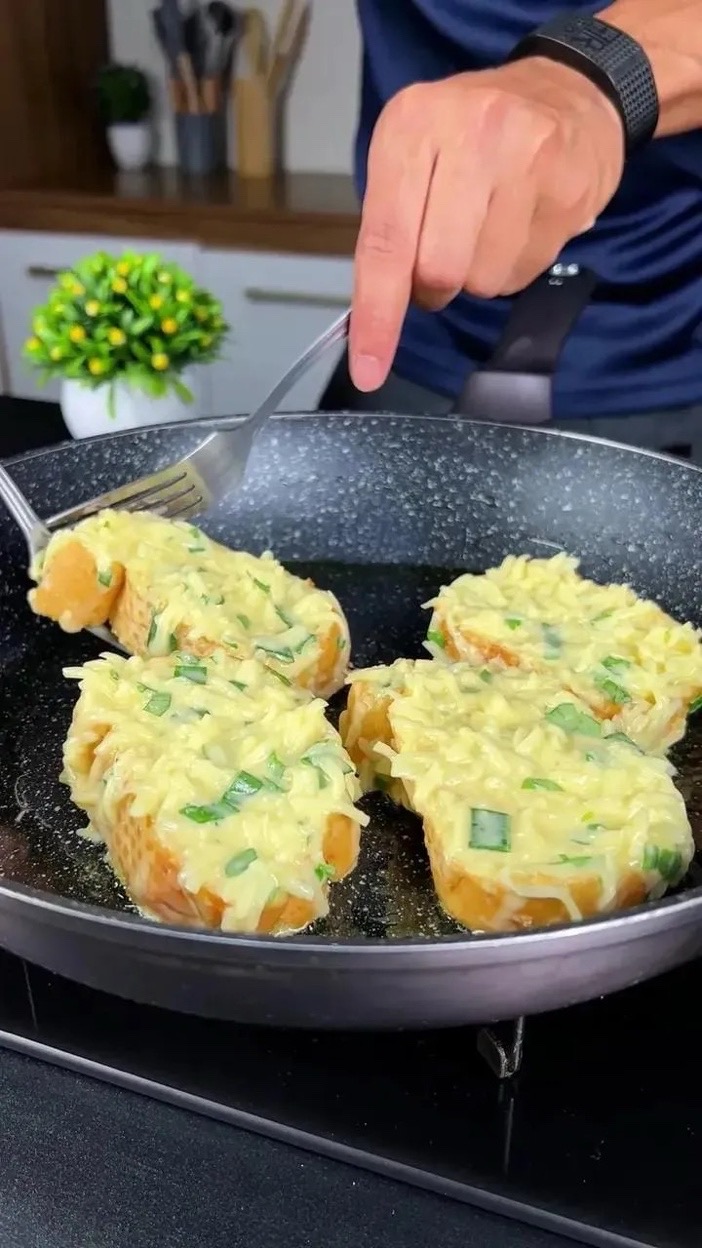
Rabanadas Recipe – The Best Way to Use Stale Bread for Breakfast
There is something deeply comforting about transforming simple, humble ingredients into a dish that feels indulgent and celebratory. Rabanadas are the perfect example of this culinary magic. Made from stale bread, milk, eggs, and sugar, they are proof that yesterday’s leftovers can become today’s treasured breakfast.
Often compared to French toast, rabanadas have their own personality, texture, and tradition. Crispy on the outside, soft and custardy on the inside, and coated in fragrant cinnamon sugar, they are a beloved treat in many Portuguese and Brazilian homes. Whether served for breakfast, brunch, or dessert, rabanadas carry warmth, nostalgia, and practicality in every bite.
This comprehensive guide will walk you through everything you need to know about making perfect rabanadas—from choosing the right bread to mastering the frying technique, plus tips, variations, storage advice, and serving ideas. By the end, you will have a foolproof recipe and the confidence to turn stale bread into something extraordinary.
What Are Rabanadas?
Rabanadas are a traditional dish rooted in Portuguese cuisine and widely enjoyed in Brazil. They are slices of stale bread soaked in a sweet milk mixture, dipped in beaten eggs, fried until golden, and then coated in sugar and cinnamon. In Portugal, rabanadas are especially popular during the Christmas season, but in Brazil, they are often enjoyed year-round.
While similar to French toast, rabanadas are typically sweeter and more dessert-like. They are often soaked longer, fried more deeply, and generously coated in sugar. Some versions are even bathed in syrup or sweetened condensed milk, creating an even richer experience.
The beauty of rabanadas lies in their simplicity. They rely on pantry staples and leftover bread, making them both economical and satisfying.
Why Rabanadas Are the Perfect Way to Use Stale Bread
Stale bread is often discarded, but it is actually ideal for recipes like rabanadas. Fresh bread can become too soggy when soaked, whereas stale bread absorbs the milk mixture without falling apart.
Using stale bread:
- Reduces food waste
- Saves money
- Enhances texture
- Preserves traditional cooking practices
This recipe is not just about making breakfast. It is about embracing resourcefulness and respecting ingredients.
Ingredients
For the Rabanadas
- 1 loaf stale bread (sliced thickly)
- 2 large eggs
- 1 cup milk
- 3 tablespoons sugar
- 1 teaspoon vanilla extract
- Oil for frying
For the Coating
- ½ cup sugar
- 1 to 2 teaspoons ground cinnamon
These basic ingredients come together to create something truly special. However, the quality of each component makes a difference, so let’s explore them in detail.
Choosing the Right Bread
The bread is the foundation of this recipe. Ideally, choose:
- A sturdy white loaf
- French bread
- Brioche (for a richer version)
- Portuguese-style bread if available
Avoid very soft sandwich bread, as it may break apart during soaking. Thick slices, about ¾ to 1 inch, work best. If your bread is not stale enough, leave slices uncovered overnight or lightly toast them in a low oven to dry them out slightly.
Step-by-Step Instructions
Step 1: Prepare the Milk Mixture
In a medium bowl, whisk together:
- 1 cup milk
- 3 tablespoons sugar
- 1 teaspoon vanilla extract
Stir until the sugar dissolves completely. This mixture will soak into the bread and create the soft interior texture.
Step 2: Beat the Eggs
In a separate bowl, beat the 2 eggs until smooth. This egg layer helps create a golden crust when fried.
Step 3: Soak the Bread
Dip each slice of stale bread into the milk mixture. Let it soak for several seconds on each side, ensuring it absorbs liquid but does not become too fragile.
The exact soaking time depends on the dryness of your bread. Staler bread can soak longer; slightly stale bread should be dipped more quickly.
Step 4: Coat in Egg
After soaking in milk, transfer each slice into the beaten eggs. Coat both sides thoroughly.
Allow excess egg to drip off before frying.
Step 5: Heat the Oil
Pour enough oil into a frying pan to cover the bottom generously. Heat over medium heat until hot but not smoking.
To test readiness, drop a small bit of egg mixture into the oil. If it sizzles immediately, the oil is ready.
Step 6: Fry Until Golden
Carefully place the soaked bread slices into the hot oil. Do not overcrowd the pan.
Fry each side for about 2 to 3 minutes, or until golden brown and crisp. Adjust heat as needed to prevent burning.
Step 7: Drain Excess Oil
Transfer fried slices to a plate lined with paper towels to absorb excess oil.
Step 8: Coat in Sugar and Cinnamon
While still warm, coat each slice in a mixture of sugar and cinnamon. Turn to cover both sides evenly.
Serve warm for the best flavor and texture.
Tips for Perfect Rabanadas
1. Control the Soaking Time
Too little soaking results in dry centers. Too much soaking can cause breakage. Aim for a fully moistened but intact slice.
2. Maintain Proper Oil Temperature
Oil that is too hot will burn the outside while leaving the inside undercooked. Oil that is too cool will cause soggy rabanadas.
Medium heat is ideal.
3. Do Not Overcrowd the Pan
Frying too many slices at once lowers the oil temperature and affects crispness.
4. Coat While Warm
Sugar and cinnamon stick best when the rabanadas are still warm.
Variations to Try
Rabanadas are versatile and adaptable. Here are some delicious variations:
Baked Rabanadas
Instead of frying, arrange soaked and egg-coated slices on a lined baking sheet. Bake at 375°F (190°C) for about 20 minutes, flipping halfway through.
They will be lighter but still flavorful.
Stuffed Rabanadas
Add a thin layer of dulce de leche, Nutella, or cream cheese between two slices before dipping and frying.
Citrus-Infused
Add lemon or orange zest to the milk mixture for brightness.
Coconut Version
Replace part of the milk with coconut milk for a tropical twist.
Syrup-Soaked
After frying, drizzle with a simple syrup flavored with cinnamon sticks and citrus peel.
Serving Suggestions
Rabanadas can be served in many ways:
- With fresh berries
- Drizzled with honey
- With maple syrup
- Alongside coffee or tea
- As part of a brunch spread
- With whipped cream
- With caramel sauce
They pair beautifully with strong coffee, making them perfect for leisurely mornings.
How to Store Rabanadas
If you have leftovers, allow them to cool completely before storing.
- Refrigerate in an airtight container for up to 3 days.
- Reheat in the oven at 350°F (175°C) for 8 to 10 minutes.
- Avoid microwaving, as it can make them soggy.
For longer storage, freeze between layers of parchment paper for up to 2 months. Reheat directly from frozen in the oven.
Nutritional Considerations
Rabanadas are a treat, meant to be enjoyed in moderation. Frying adds richness, but you can lighten the recipe by:
- Baking instead of frying
- Using low-fat milk
- Reducing sugar slightly
Even small adjustments can make a difference without sacrificing flavor.
Frequently Asked Questions
Can I use fresh bread?
It is not recommended unless slightly dried first. Fresh bread can become too soft and fall apart.
Can I prepare them ahead of time?
Yes. You can fry them in advance and reheat in the oven before serving.
What oil is best for frying?
Neutral oils like vegetable oil or canola oil work best.
Can I make them dairy-free?
Yes. Substitute milk with almond, oat, or soy milk.
The Cultural Significance of Rabanadas
In Portugal and Brazil, rabanadas are often associated with celebration and family gatherings. They appear on festive tables during Christmas, symbolizing abundance and warmth.
The recipe has been passed down through generations, with each family adding its own touch. Some prefer them extra sweet, others lightly coated. Some soak them in wine syrup, others keep them simple.
This adaptability is part of their charm.
Why This Recipe Works
This recipe balances:
- Moist interior
- Crisp exterior
- Gentle sweetness
- Warm cinnamon spice
The method ensures the bread absorbs just enough liquid while maintaining structure. Frying creates contrast in texture, and the sugar coating adds the final touch of sweetness and aroma.
Final Thoughts
Rabanadas remind us that good cooking does not require expensive ingredients or complicated techniques. With stale bread, eggs, milk, and sugar, you can create a dish that feels comforting and indulgent.
They are practical, delicious, and rooted in tradition. Whether you are making them to reduce waste, celebrate a holiday, or simply enjoy a cozy breakfast, rabanadas deliver warmth and satisfaction in every bite.
The next time you find yourself with leftover bread, do not throw it away. Transform it. Turn it into golden, cinnamon-scented slices of joy. That is the true beauty of rabanadas.