
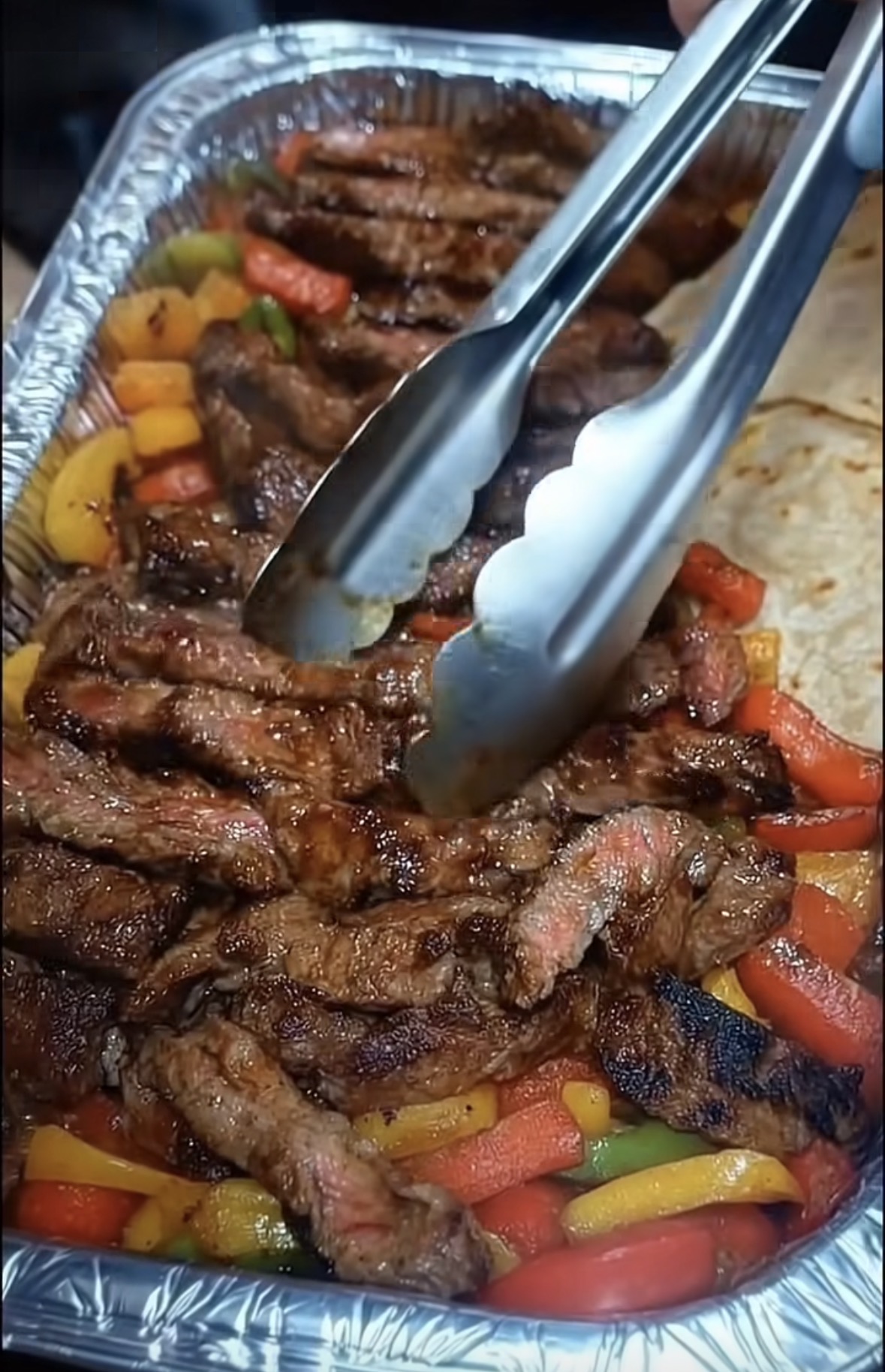
Stop Making Tough Fajitas: The 3 Rules for Perfect Flank Steak
Fajitas are one of the most beloved dishes in Tex-Mex cooking. The sound of sizzling meat, the aroma of garlic and spices, and the colorful mix of peppers and onions make this dish both exciting and comforting. However, many home cooks struggle with one common problem when preparing fajitas: the steak turns out tough and chewy instead of tender and juicy.
The truth is that fajitas are not difficult to master. In fact, with just a few simple techniques, you can transform flank steak or skirt steak into a perfectly tender, flavorful centerpiece for an incredible meal. The secret lies in understanding the cut of meat, using the right marinade, cooking it properly, and slicing it correctly.
In this guide, you will learn the three most important rules for making perfect flank steak fajitas. You will also learn how to prepare a balanced marinade, how to cook the steak so it remains juicy, and how to build a fajita platter that tastes as good as it looks. By the end of this guide, you will have all the knowledge needed to prepare restaurant-quality fajitas at home.
What Makes Fajitas So Special
Fajitas originated in Texas and northern Mexico, where grilled skirt steak was traditionally served with tortillas and simple accompaniments. Over time, the dish evolved into the sizzling skillet presentation that is now famous in Tex-Mex cuisine.
The word “fajita” comes from the Spanish word “faja,” which means strip or belt. This name refers to the thin strips of meat that are typically used in the dish.
What makes fajitas unique is the combination of textures and flavors. The steak is smoky and savory, the vegetables are slightly sweet and caramelized, and the tortillas bring everything together. When served with toppings like salsa, sour cream, guacamole, or cheese, fajitas become a customizable meal that everyone can enjoy.
Understanding Flank Steak and Skirt Steak
The most common cuts used for fajitas are flank steak and skirt steak. Both are flavorful cuts of beef with long muscle fibers, which means they can become tough if handled incorrectly.
Flank steak comes from the abdominal muscles of the cow. It has a rich beef flavor and a lean texture. Because it is relatively thin, it cooks quickly and absorbs marinades well.
Skirt steak comes from the diaphragm area and has a slightly looser texture with even more intense flavor. It is often considered the traditional cut used in fajitas.
Both cuts benefit from marinating, quick high-heat cooking, and proper slicing. When treated correctly, they become incredibly tender and juicy.
The Three Rules for Perfect Fajitas
Many cooks make small mistakes that lead to tough steak. Following these three simple rules will dramatically improve your results.
Rule One: Always Marinate the Steak
Flank steak and skirt steak are naturally lean and fibrous. A marinade helps tenderize the meat while adding layers of flavor.
The acidity in lime juice helps break down muscle fibers, while olive oil helps distribute flavors and keep the meat moist. Garlic and spices provide the signature fajita taste.
Marinating also allows the flavors to penetrate the meat rather than simply sitting on the surface.
Rule Two: Cook the Steak Quickly Over High Heat
These cuts of meat are best when cooked quickly at high temperatures. This creates a flavorful crust on the outside while keeping the inside juicy.
Overcooking is one of the main reasons fajita steak becomes tough. Medium-rare to medium is ideal for flank steak.
Rule Three: Slice Against the Grain
This is the most important rule. Flank steak and skirt steak have long muscle fibers. If you cut the steak along the grain, the fibers remain long and chewy.
Instead, slice across the grain in thin strips. This shortens the fibers and makes the meat much easier to chew.
Ingredients
For the marinade:
1.5 pounds flank steak or skirt steak (sliced against the grain after cooking)
3 tablespoons olive oil
1/4 cup fresh lime juice
2 cloves garlic, minced
1 teaspoon cumin
1 teaspoon chili powder
1/2 teaspoon smoked paprika
Salt and black pepper to taste
For the vegetables:
2 large bell peppers, sliced into strips
1 large white or yellow onion, sliced into strips
1 tablespoon neutral oil
For serving:
Warm tortillas, either flour or corn
Optional toppings:
Guacamole
Salsa
Sour cream
Shredded cheese
Fresh cilantro
Lime wedges
Preparing the Marinade
In a medium bowl, combine the olive oil, lime juice, minced garlic, cumin, chili powder, smoked paprika, salt, and black pepper.
Whisk the ingredients together until well combined. The mixture should be aromatic and slightly tangy.
Place the steak in a shallow dish or a resealable plastic bag and pour the marinade over it. Make sure the meat is fully coated.
Cover the dish or seal the bag and place it in the refrigerator for at least 30 minutes. For deeper flavor, marinate the steak for up to four hours.
Avoid marinating overnight because the acidity from the lime juice may begin to break down the texture of the meat too much.
Preparing the Vegetables
Bell peppers and onions are the classic vegetables served with fajitas. Their sweetness balances the savory steak and spices.
Slice the bell peppers into thin strips. You can use any color such as red, yellow, green, or orange. Using a combination of colors adds visual appeal to the dish.
Slice the onion into thin strips as well. White or yellow onions work best because they caramelize nicely when cooked.
Keep the vegetables separate until cooking time.
Cooking the Steak
Remove the steak from the refrigerator about 15 minutes before cooking so it can come closer to room temperature.
Heat a large cast iron skillet or grill pan over high heat. A cast iron surface is ideal because it retains heat well and creates a beautiful sear.
Lightly oil the pan if necessary.
Place the steak in the hot pan and cook for about 3 to 5 minutes on each side, depending on thickness.
The goal is to create a dark, flavorful crust while keeping the inside juicy.
Use a meat thermometer if desired. Medium-rare steak should reach about 130 to 135 degrees Fahrenheit.
Once cooked, remove the steak from the pan and place it on a cutting board. Allow it to rest for about 5 to 10 minutes before slicing. Resting allows the juices to redistribute within the meat.
Cooking the Vegetables
Using the same pan adds extra flavor from the steak drippings.
Add one tablespoon of neutral oil to the pan if needed. Then add the sliced onions and peppers.
Cook the vegetables over medium-high heat for about 6 to 8 minutes. Stir occasionally until they become slightly softened and lightly caramelized.
The vegetables should remain slightly crisp rather than fully soft. This texture contrasts nicely with the tender steak.
Season the vegetables lightly with salt and pepper.
Slicing the Steak
After the steak has rested, examine the direction of the muscle fibers. These lines indicate the grain of the meat.
Using a sharp knife, slice the steak thinly across the grain. Cutting perpendicular to the fibers shortens them and creates tender slices.
Aim for strips that are about a quarter inch thick.
Assembling the Fajitas
Warm the tortillas before serving. This can be done in a dry skillet, on a grill, or wrapped in foil in the oven.
Place a few slices of steak in the center of each tortilla.
Add a portion of sautéed peppers and onions.
Top with your favorite garnishes such as guacamole, salsa, sour cream, or shredded cheese.
Finish with fresh cilantro and a squeeze of lime juice for brightness.
Serving Suggestions
Fajitas are often served family-style so everyone can build their own tortillas.
Place the sliced steak, vegetables, tortillas, and toppings in separate serving bowls.
This presentation allows guests to customize their fajitas according to their preferences.
Fajitas also pair well with several side dishes such as:
Mexican rice
Refried beans
Black bean salad
Corn salad
Fresh guacamole and tortilla chips
These sides create a complete and satisfying meal.
Tips for the Best Fajitas
Use a very hot pan or grill to sear the steak quickly.
Do not overcrowd the pan, as this can cause the meat to steam rather than sear.
Always allow the steak to rest before slicing.
Cut the steak thinly against the grain for maximum tenderness.
Use fresh lime juice whenever possible for the brightest flavor.
Variations
Chicken Fajitas
Replace the steak with boneless chicken breasts or thighs. Marinate and cook in the same way until the chicken reaches a safe internal temperature.
Shrimp Fajitas
Shrimp cook very quickly and absorb marinades well. Marinate for only 15 minutes before cooking.
Vegetarian Fajitas
Substitute the meat with mushrooms, zucchini, or portobello mushrooms. These vegetables provide a hearty texture and rich flavor.
Spicy Fajitas
Add sliced jalapeños or a pinch of cayenne pepper to the marinade for extra heat.
Storing and Reheating
Leftover steak and vegetables can be stored in an airtight container in the refrigerator for up to three days.
To reheat, warm the mixture in a skillet over medium heat until heated through.
Avoid microwaving for too long, as it can make the steak tough.
Final Thoughts
Making perfect fajitas at home is easier than many people think. By following three simple rules—marinating the meat, cooking it quickly over high heat, and slicing it against the grain—you can transform flank steak into tender, flavorful strips that rival any restaurant version.
Combined with sizzling peppers and onions and served with warm tortillas and fresh toppings, fajitas become a vibrant and satisfying meal that brings people together around the table.
With a little practice and attention to detail, this recipe will quickly become one of your go-to favorites for weeknight dinners, gatherings with friends, or family celebrations. The result is a dish that is bold, colorful, and full of flavor in every bite.