
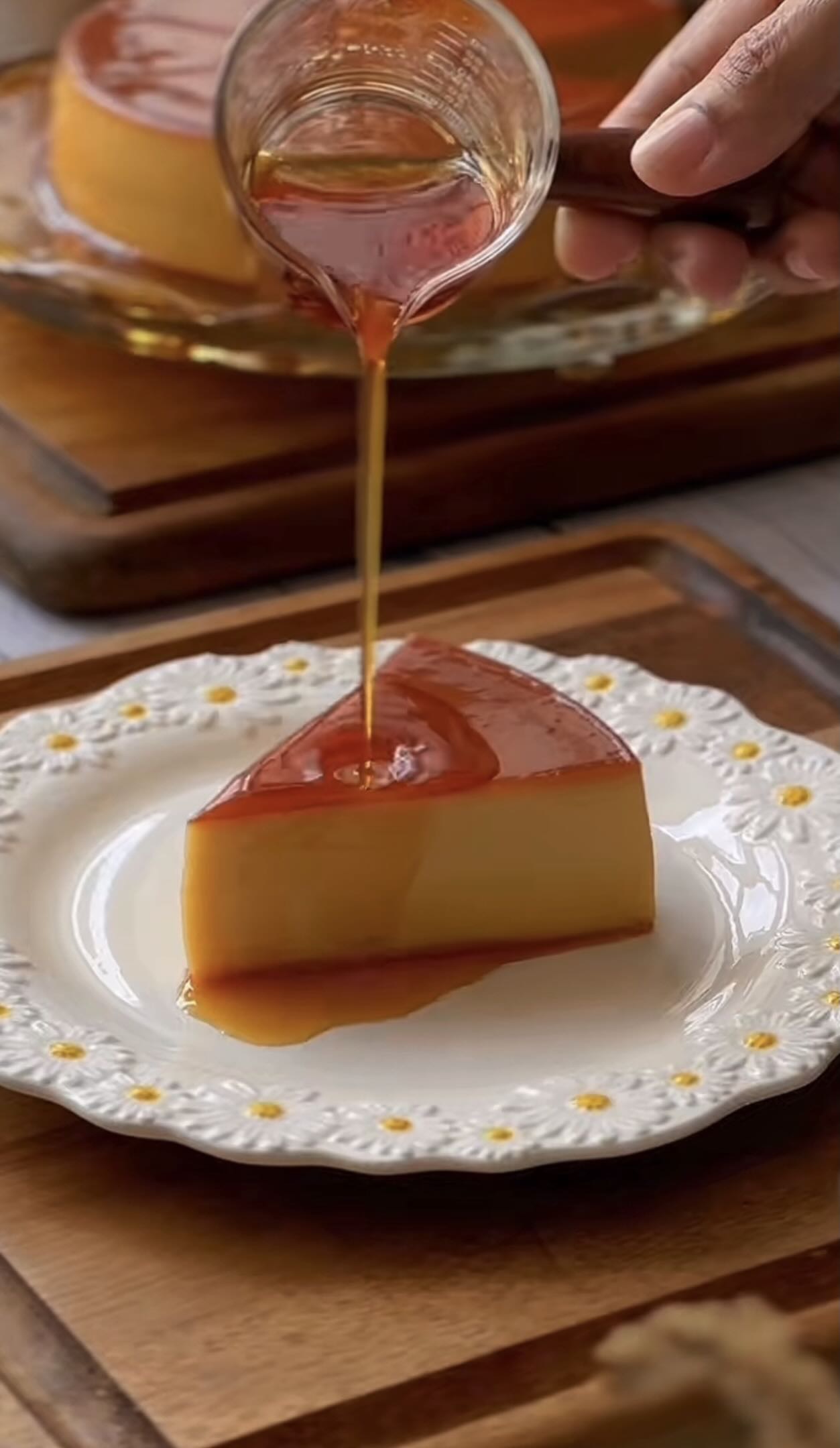
Classic Caramel Custard (Silky Crème Caramel)
Introduction
Few desserts in the world are as elegant, timeless, and universally loved as classic caramel custard. Known in many cultures as crème caramel, flan, or caramel pudding, this delicate dessert combines the deep flavor of golden caramel with a silky smooth vanilla custard. When inverted onto a plate, the caramel sauce flows gently over the custard, creating a glossy topping that adds both sweetness and visual appeal.
Caramel custard is cherished for its simplicity. It uses only a handful of basic ingredients—eggs, milk, sugar, and vanilla—yet the result is a dessert that feels refined and luxurious. The magic happens through careful cooking and the transformation of sugar into amber caramel, followed by the slow baking of a custard mixture that becomes smooth, creamy, and lightly firm.
This dessert has traveled through many cuisines and cultures. In French cuisine it is called crème caramel. In Spanish-speaking countries it is widely known as flan. Across Asia, variations of caramel pudding appear in bakeries, home kitchens, and restaurants. Despite the different names, the essence remains the same: a soft custard topped with a rich caramel syrup.
The beauty of caramel custard lies not only in its flavor but also in its texture. The custard should be delicate and creamy, almost melting in the mouth. The caramel should provide a slight bitterness that balances the sweetness of the custard. When done properly, each spoonful offers a harmonious blend of silky custard and flowing caramel.
For home cooks, caramel custard is also an excellent dessert to master. Although it may look sophisticated, the process is straightforward when you follow the right steps. Once you learn the technique of making caramel and baking custard in a water bath, you will be able to create a dessert that rivals those served in fine restaurants.
This detailed guide will walk you through every step of preparing perfect caramel custard—from choosing the right ingredients to mastering the caramel sauce and baking the custard to a smooth consistency. With patience and attention to detail, you can create a dessert that is beautiful, delicious, and worthy of any special occasion.
Ingredients
For the Caramel
1 cup granulated sugar
3 tablespoons water
For the Custard
2 cups whole milk
4 large eggs
½ cup granulated sugar
1 tablespoon vanilla extract
A pinch of salt
Optional additions for flavor variation:
1 teaspoon lemon zest
½ teaspoon ground cinnamon
1 tablespoon orange blossom water
Kitchen Equipment Needed
Preparing caramel custard requires only a few common kitchen tools, but having the right equipment will make the process easier and more reliable.
Medium saucepan
Mixing bowl
Whisk
Fine mesh strainer
8-inch round baking dish or individual ramekins
Large baking pan for the water bath
Kettle or pot for heating water
Rubber spatula
The water bath, also called a bain-marie, is an essential part of baking custard. It ensures gentle and even heat, preventing the eggs from curdling and helping the custard set smoothly.
Understanding Caramel Custard
Before starting the recipe, it helps to understand how caramel custard works.
Custard is formed when eggs are gently cooked with milk or cream. The proteins in the eggs slowly set as the mixture warms, transforming the liquid into a delicate gel. If the temperature becomes too high, the eggs scramble and the custard becomes grainy.
That is why custards are usually baked slowly and often in a water bath. The surrounding water stabilizes the temperature and prevents the custard from cooking too quickly.
Caramel is simply sugar heated until it melts and turns golden brown. As sugar cooks, it undergoes a chemical process called caramelization, producing deep flavors that range from sweet to slightly bitter. This complexity is what makes caramel the perfect complement to the mild custard.
When caramel custard is baked, the caramel sits at the bottom of the mold. After chilling, the dessert is inverted onto a plate. The caramel dissolves into a rich sauce that flows over the custard.
Step 1: Preparing the Caramel
Caramel is the foundation of this dessert. Although it requires attention, it becomes easy with practice.
Start by placing the sugar and water in a medium saucepan. Heat over medium heat and allow the sugar to dissolve. Do not stir once the mixture begins to boil, as stirring can cause crystallization.
Instead, gently swirl the pan occasionally to help the sugar cook evenly.
After several minutes, the sugar syrup will begin to change color. It will gradually turn from clear to pale gold and then to a deep amber shade. Watch carefully during this stage, because caramel can burn quickly.
Once the caramel reaches a rich amber color, immediately remove the pan from the heat.
Carefully pour the caramel into your baking dish or ramekins, tilting the dish to spread the caramel evenly across the bottom. Work quickly because caramel hardens as it cools.
Set the dish aside while you prepare the custard.
Step 2: Heating the Milk
Pour the milk into a saucepan and heat it over medium heat until it becomes warm but not boiling. Small bubbles may form around the edges, but the milk should not reach a full boil.
Heating the milk before mixing it with the eggs helps create a smoother custard and ensures even cooking during baking.
Remove the milk from the heat once it is warm.
Step 3: Preparing the Custard Mixture
In a large mixing bowl, crack the eggs and add the sugar. Whisk gently until the mixture becomes smooth and slightly pale.
Avoid whisking too vigorously because excessive air can create bubbles in the custard.
Add the vanilla extract and salt, then slowly pour the warm milk into the egg mixture while whisking continuously. This gradual process prevents the eggs from cooking too quickly.
Once everything is combined, strain the mixture through a fine mesh sieve. This removes any egg strands and ensures an exceptionally smooth custard texture.
Step 4: Filling the Mold
Pour the custard mixture slowly over the hardened caramel in the baking dish.
If you notice bubbles on the surface, skim them off with a spoon or gently tap the dish on the counter.
A smooth surface will help the custard bake evenly and look beautiful when unmolded.
Step 5: Preparing the Water Bath
Place the filled custard dish inside a larger baking pan.
Heat water until very hot, then carefully pour it into the larger pan until it reaches about halfway up the sides of the custard dish.
This water bath creates gentle, even heat during baking.
Step 6: Baking the Custard
Preheat your oven to 325°F (160°C).
Place the water bath with the custard into the oven and bake for approximately 45 to 60 minutes.
The custard is done when the edges are set but the center still has a slight jiggle. A knife inserted near the center should come out mostly clean.
Remove the custard dish from the water bath and allow it to cool at room temperature.
Step 7: Chilling the Custard
Once the custard has cooled, cover it with plastic wrap and place it in the refrigerator.
Chill for at least 4 hours, though overnight chilling produces the best texture and flavor.
During this time, the caramel softens and becomes a rich sauce.
Step 8: Unmolding the Custard
To serve the caramel custard, run a thin knife around the edge of the dish to loosen it.
Place a serving plate over the top of the dish and carefully invert the custard.
Lift the dish slowly. The caramel sauce will flow over the custard, creating the signature glossy finish.
Texture and Flavor Characteristics
A perfectly made caramel custard should have a smooth, creamy consistency without bubbles or cracks. The flavor should balance sweetness with the slightly bitter notes of caramel.
The custard itself is mild and rich, while the caramel sauce adds depth and complexity.
Each spoonful should feel light yet indulgent.
Tips for Perfect Caramel Custard
Use fresh eggs for the best custard structure.
Do not overcook the caramel, as burnt sugar will create bitterness.
Always strain the custard mixture for a smoother texture.
Bake using a water bath to prevent curdling.
Allow sufficient chilling time before serving.
These simple tips can make a significant difference in the final result.
Flavor Variations
Although the classic version is delicious, caramel custard can be customized with different flavors.
Coffee caramel custard can be made by dissolving a teaspoon of instant coffee in the warm milk.
Chocolate caramel custard can include melted dark chocolate in the milk mixture.
Citrus versions can include orange zest or lemon zest for brightness.
Spiced custard with cinnamon, nutmeg, or cardamom creates a warm aromatic flavor.
These variations allow you to adapt the dessert to different tastes and occasions.
Serving Suggestions
Caramel custard is elegant enough to serve on its own, but it can also be enhanced with simple garnishes.
Fresh berries add a refreshing contrast.
Whipped cream provides a light and airy topping.
Toasted nuts add texture and richness.
A small mint leaf can provide a decorative touch.
Serve the dessert chilled for the best flavor and texture.
Storage Tips
Caramel custard stores very well in the refrigerator.
Keep it covered to prevent it from absorbing other odors.
It can be stored for up to three days without losing its texture.
If making ahead for a gathering, prepare the custard a day in advance for convenience.
Common Mistakes to Avoid
Overcooking the custard can lead to a rubbery texture.
Skipping the water bath may cause the custard to cook unevenly.
Cooking the caramel too long can create a burnt flavor.
Not chilling the custard long enough can make it difficult to unmold.
By avoiding these mistakes, you will achieve consistent results every time.
Why This Dessert Is So Popular
Caramel custard has endured for generations because it offers a perfect balance of simplicity and sophistication. With only a few basic ingredients, it transforms into a dessert that feels elegant and comforting at the same time.
It is equally suitable for family dinners, festive celebrations, and restaurant menus.
The smooth custard combined with flowing caramel creates a dessert that appeals to both the eye and the palate.
Final Thoughts
Classic caramel custard is a timeless dessert that demonstrates how simple ingredients can produce extraordinary results. The contrast between silky custard and rich caramel sauce creates a memorable experience with every bite.
With careful preparation, patience, and attention to detail, anyone can master this dessert at home.
Once you learn the technique, caramel custard can become one of your signature recipes—perfect for impressing guests, celebrating special occasions, or simply enjoying a comforting homemade treat.