
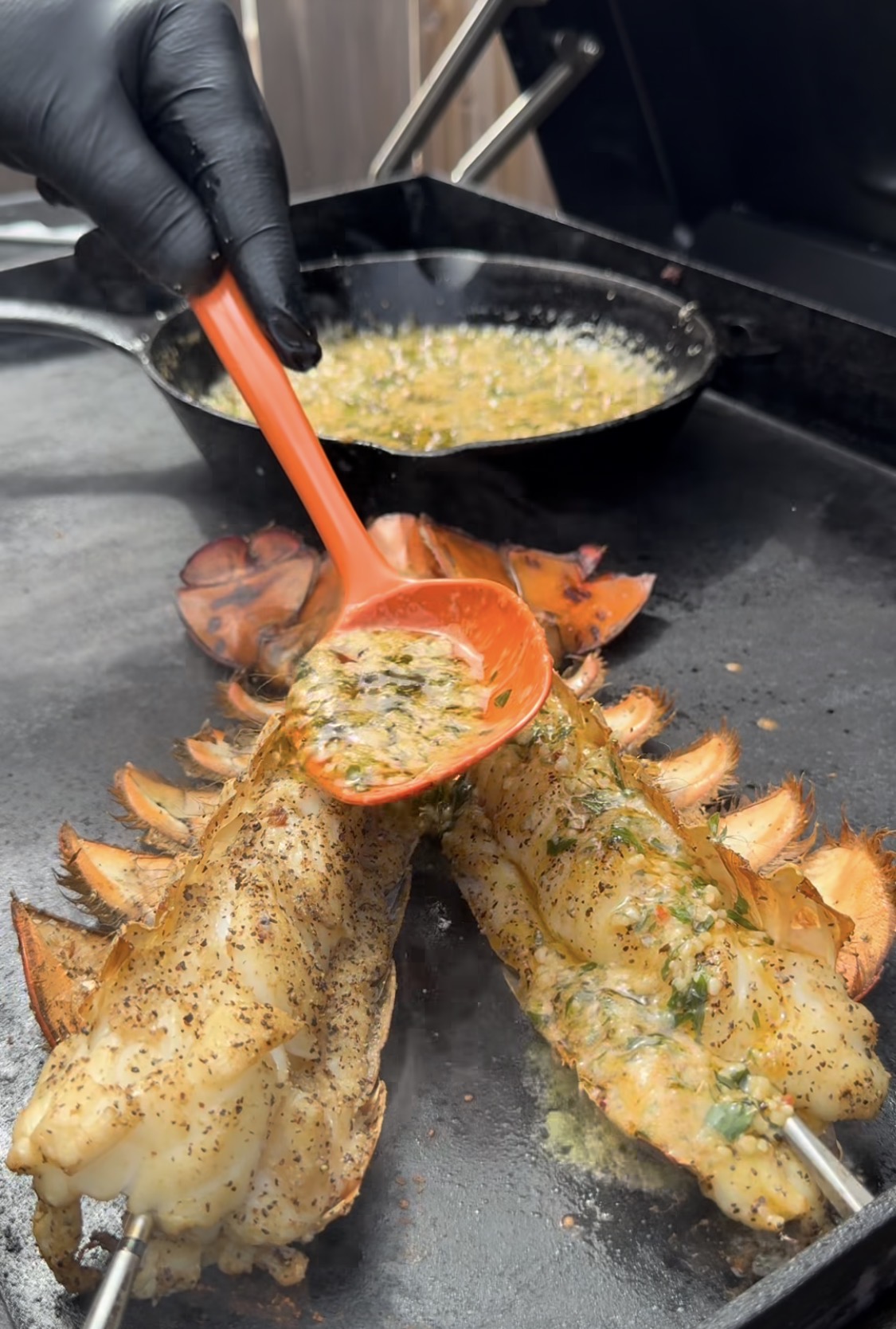
Garlic Butter Lobster Tails (Restaurant-Style)
A Complete Guide to Perfectly Cooked, Juicy Lobster with Herb Butter Sauce
Introduction
Few dishes capture the feeling of luxury and indulgence quite like garlic butter lobster tails. Whether served at a high-end restaurant or prepared at home for a special occasion, lobster has long been associated with elegance, celebration, and exceptional flavor. What makes this dish truly stand out, however, is not just the lobster itself, but the rich, aromatic garlic butter sauce that enhances every bite.
In this comprehensive guide, you will learn how to recreate restaurant-quality garlic butter lobster tails in your own kitchen. This recipe walks you through everything—from selecting the best lobster tails and preparing them correctly, to creating a perfectly balanced herb butter sauce and achieving a flawless cook. Even if you have never cooked lobster before, this step-by-step method ensures consistent, delicious results.
What Makes This Recipe Special
This recipe focuses on a technique often used by professional chefs: butter-basting. Instead of simply boiling or baking lobster, the meat is gently cooked while continuously coated in hot, infused butter. This not only locks in moisture but also allows the flavors of garlic, herbs, and spices to penetrate deeply into the lobster meat.
The result is tender, juicy lobster with a slightly caramelized exterior and a deeply flavorful finish.
Ingredients
For the Lobster Tails
- 2 large lobster tails (fresh or frozen, thawed if frozen)
- 2 tablespoons olive oil
- Salt, to taste
- Freshly ground black pepper, to taste
- 1/2 teaspoon paprika (optional, for color and mild flavor)
For the Garlic Butter Sauce
- 1/2 cup unsalted butter
- 4–5 cloves garlic, finely minced
- 1 tablespoon fresh parsley, finely chopped
- 1 teaspoon fresh thyme (optional)
- 1 teaspoon lemon juice
- 1/2 teaspoon chili flakes (optional for heat)
- Salt, to taste
Equipment Needed
- Sharp kitchen scissors
- Chef’s knife
- Cast iron skillet or heavy pan
- Basting spoon or ladle
- Tongs
- Small saucepan
Choosing the Best Lobster Tails
The quality of your lobster tails will directly impact the final result. When shopping, consider the following:
Fresh vs Frozen
- Frozen lobster tails are often the best option unless you live near a coastal area.
- High-quality frozen tails are flash-frozen immediately after harvesting, preserving flavor and texture.
Size Matters
- Medium to large tails (6–10 ounces each) are ideal.
- Smaller tails cook quickly but may lack meat, while very large tails can become tougher if overcooked.
What to Look For
- Firm, opaque shells
- No strong fishy smell
- Even coloration without black spots
How to Properly Thaw Lobster Tails
If using frozen lobster tails, proper thawing is essential.
Best Method (Overnight)
Place the lobster tails in the refrigerator for 8–12 hours.
Quick Method
Seal them in a plastic bag and submerge in cold water for 30–60 minutes.
Avoid using hot water or microwaving, as this can partially cook the meat and ruin the texture.
Preparing the Lobster Tails
This is one of the most important steps in the recipe.
Step 1: Butterfly the Lobster
- Place the lobster tail shell-side up.
- Using kitchen scissors, cut down the center of the shell lengthwise.
- Stop just before the tail fin.
- Carefully lift the meat out of the shell while keeping it attached at the base.
- Rest the meat on top of the shell.
This presentation not only looks impressive but also allows the meat to cook evenly and absorb more flavor.
Step 2: Season the Meat
- Drizzle olive oil over the lobster.
- Sprinkle with salt, pepper, and paprika.
- Let it sit for 5–10 minutes while you prepare the butter.
Making the Garlic Butter Sauce
The garlic butter sauce is the heart of this recipe.
Instructions
- Melt the butter in a small saucepan over low heat.
- Add minced garlic and cook gently for 1–2 minutes until fragrant.
- Stir in parsley, thyme, chili flakes, and lemon juice.
- Season lightly with salt.
- Keep warm over very low heat.
Avoid browning the garlic too much, as it can become bitter.
Cooking the Lobster Tails
This method uses a hot skillet combined with butter-basting for maximum flavor.
Step 1: Preheat the Pan
Heat a cast iron skillet over medium-high heat until hot.
Step 2: Sear the Lobster
Place the lobster tails flesh-side down in the pan.
- Cook for 2–3 minutes until lightly golden.
- This step creates a slight crust and enhances flavor.
Step 3: Flip and Baste
Flip the lobster tails shell-side down.
- Begin spooning the hot garlic butter over the meat continuously.
- Tilt the pan slightly to pool the butter for easier basting.
Step 4: Continue Cooking
Cook for another 4–6 minutes while basting frequently.
The lobster is done when:
- The meat is opaque and white
- The internal temperature reaches about 60–63°C
- The texture is firm but still tender
Tips for Perfect Lobster
Do Not Overcook
Overcooked lobster becomes rubbery and tough. Remove from heat as soon as it turns opaque.
Use Medium Heat
Too much heat will burn the butter and garlic.
Keep Basting
Frequent basting ensures the lobster stays moist and flavorful.
Rest Before Serving
Let the lobster sit for 2–3 minutes after cooking to allow juices to redistribute.
Serving Suggestions
Garlic butter lobster tails pair beautifully with a variety of sides:
Classic Pairings
- Creamy mashed potatoes
- Steamed asparagus or green beans
- Buttered rice or risotto
Light Options
- Fresh green salad
- Lemon herb couscous
- Grilled vegetables
Bread Options
- Crusty baguette to soak up the butter sauce
- Garlic bread for extra indulgence
Plating Like a Professional
Presentation plays a big role in elevating this dish.
- Place the lobster tails on a warm plate.
- Spoon extra garlic butter over the top.
- Garnish with fresh parsley and lemon wedges.
- Serve immediately while hot.
Variations
Spicy Garlic Butter Lobster
Add extra chili flakes or a touch of hot sauce to the butter.
Lemon Garlic Lobster
Increase lemon juice and add lemon zest for a brighter flavor.
Herb-Infused Lobster
Experiment with herbs like rosemary, dill, or chives.
Grilled Version
Instead of a skillet, cook the lobster on a grill and baste with butter as it cooks.
Storage and Reheating
Storage
- Store leftover lobster in an airtight container.
- Refrigerate for up to 2 days.
Reheating
- Reheat gently in a skillet with butter over low heat.
- Avoid microwaving, as it can make the meat tough.
Common Mistakes to Avoid
Overcooking
This is the most common issue. Always monitor closely.
Burning the Butter
Keep heat moderate to prevent bitterness.
Skipping the Butterfly Cut
This step ensures even cooking and better presentation.
Underseasoning
Lobster benefits from proper seasoning, even with butter.
Nutritional Information (Approximate per serving)
- Calories: 350–450
- Protein: 30–35g
- Fat: 25g
- Carbohydrates: 2–4g
Why This Method Works
The combination of searing and butter-basting creates layers of flavor:
- Searing adds a slight caramelization
- Butter-basting keeps the meat moist
- Garlic and herbs infuse the lobster deeply
This method replicates the technique used in professional kitchens, giving you restaurant-quality results at home.
Final Thoughts
Garlic butter lobster tails may seem intimidating at first, but with the right technique, they are surprisingly simple to prepare. This recipe breaks down every step so you can confidently cook lobster that is tender, flavorful, and visually stunning.
Whether you are preparing a romantic dinner, celebrating a special occasion, or simply treating yourself, this dish delivers a luxurious experience that is well worth the effort.
Once you master this method, you will find yourself returning to it again and again—not just for lobster, but for other seafood dishes that benefit from the same rich, buttery approach.