
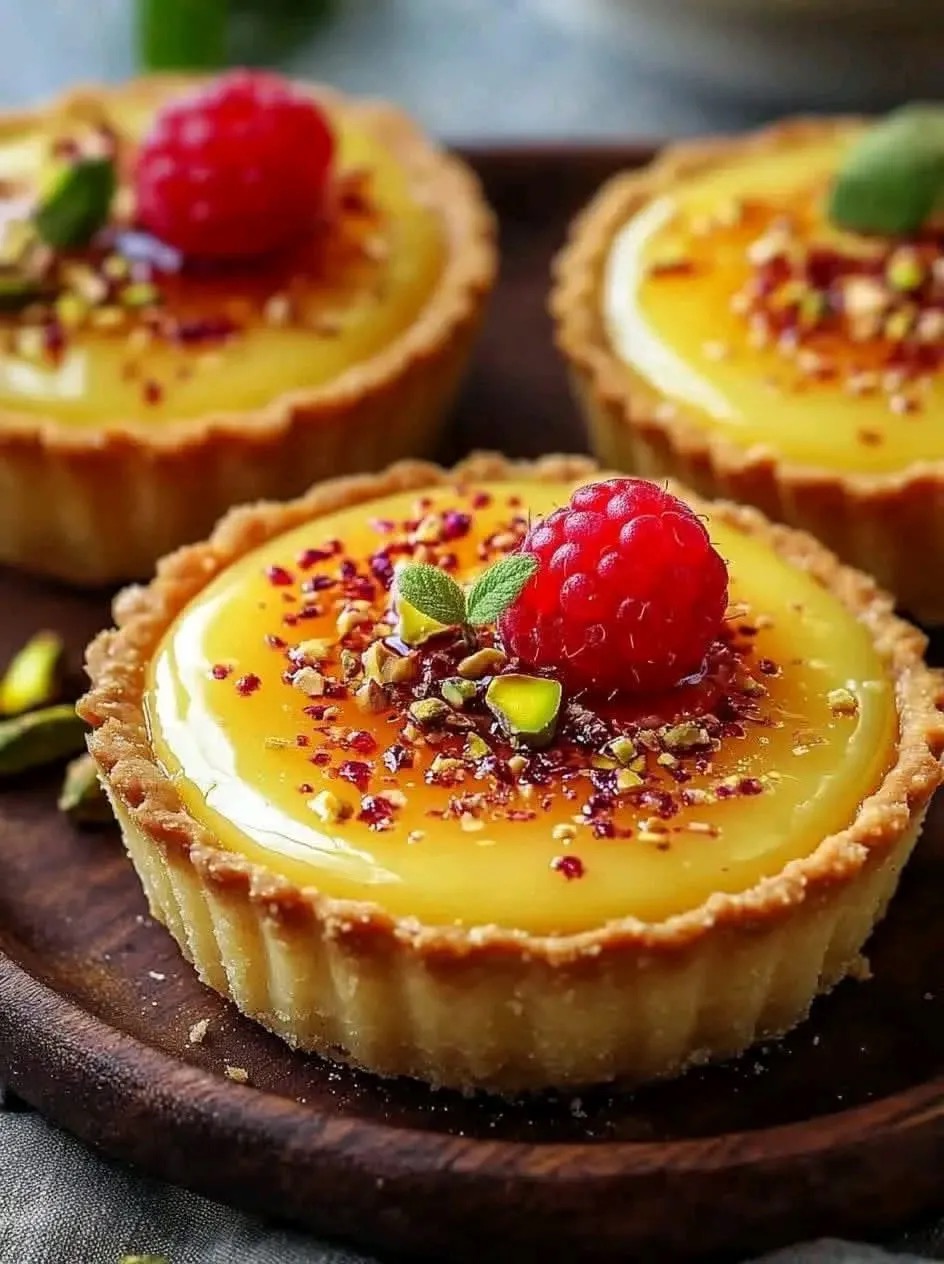
Classic Buttery Shortcrust Pastry: The Perfect Foundation for Sweet Tarts and Pies
A well-made shortcrust pastry is one of the most essential skills in baking. It serves as the base for countless desserts, from elegant fruit tarts to rich chocolate pies and delicate custard fillings. With its tender crumb, buttery flavor, and slightly crisp texture, this classic crust elevates any dessert it supports.
This comprehensive guide will walk you through everything you need to know about making a perfect shortcrust pastry using simple ingredients: flour, butter, sugar, egg yolk, and cold water. Whether you are a beginner or an experienced baker, mastering this technique will open the door to a wide variety of delicious creations.
Why This Crust Is Special
Shortcrust pastry is prized for its delicate texture and rich flavor. Unlike flaky pastry, which is layered and airy, shortcrust is crumbly and melts in your mouth. The balance of fat and flour is what gives it this signature texture.
This particular recipe is slightly sweet, making it ideal for desserts. The powdered sugar adds a smooth sweetness without graininess, while the egg yolk contributes richness and structure.
Ingredients Overview
Understanding the role of each ingredient will help you achieve consistent, professional-quality results.
All-Purpose Flour
Flour provides the structure of the dough. All-purpose flour works perfectly because it has a moderate protein content, creating a tender yet stable crust.
Cold Unsalted Butter
Butter is the most important ingredient in shortcrust pastry. It creates richness and contributes to the crumbly texture. Using cold butter ensures that it does not fully blend into the flour, which helps form small pockets that create a delicate structure.
Powdered Sugar
Powdered sugar dissolves easily and gives the crust a smooth, fine texture. It also adds a subtle sweetness that complements most fillings.
Egg Yolk
The egg yolk enriches the dough, adds color, and helps bind the ingredients together.
Cold Water
Cold water brings the dough together without activating too much gluten. This is essential for keeping the crust tender rather than tough.
Essential Equipment
To make this recipe successfully, you will need:
- Mixing bowl
- Pastry cutter or your fingertips
- Rolling pin
- Plastic wrap
- Tart pan or pie dish
- Baking weights or dried beans
Step-by-Step Instructions
Step 1: Prepare the Dry Ingredients
In a large mixing bowl, combine the all-purpose flour and powdered sugar. Mix them thoroughly to ensure even distribution.
Step 2: Incorporate the Butter
Add the cold, cubed butter to the flour mixture.
Using a pastry cutter or your fingertips, work the butter into the flour until the mixture resembles coarse crumbs. You should still see small pieces of butter throughout the mixture. These pieces are essential for achieving the perfect texture.
Step 3: Add the Egg Yolk
Add the egg yolk to the mixture and gently combine. The dough will begin to come together slightly but will still be crumbly.
Step 4: Add Cold Water
Gradually add cold water, one tablespoon at a time, mixing gently after each addition.
Stop adding water as soon as the dough starts to come together. Be careful not to add too much, as this can make the dough sticky and tough.
Step 5: Form the Dough
Gather the dough into a ball without overworking it. Flatten it into a disc shape, wrap it in plastic wrap, and refrigerate for at least 30 minutes.
Chilling the dough allows the butter to firm up and relaxes the gluten, making it easier to roll out.
Step 6: Roll Out the Dough
After chilling, place the dough on a lightly floured surface.
Roll it out evenly to fit your tart pan or pie dish. Aim for a thickness of about 3–4 mm.
Carefully transfer the dough to the pan, pressing it gently into the edges.
Step 7: Trim and Chill Again
Trim any excess dough from the edges.
Place the lined pan in the refrigerator for another 15–20 minutes. This helps prevent shrinkage during baking.
Step 8: Blind Baking
Preheat your oven to 180°C (350°F).
Line the crust with parchment paper and fill it with baking weights or dried beans.
Bake for 15–20 minutes, then remove the weights and parchment.
Return the crust to the oven and bake for an additional 10–15 minutes, or until lightly golden.
Tips for Perfect Shortcrust Pastry
- Always use cold ingredients to maintain texture.
- Avoid overworking the dough to prevent toughness.
- Chill the dough at every stage for best results.
- Use a light touch when rolling to maintain tenderness.
- Dock the base with a fork if needed to prevent bubbling.
Common Mistakes to Avoid
Overmixing the Dough
This develops gluten and leads to a tough crust.
Using Warm Butter
Warm butter blends too much with the flour and eliminates the crumbly texture.
Adding Too Much Water
Excess water makes the dough sticky and difficult to handle.
Skipping Chilling Time
This can cause the crust to shrink or lose shape during baking.
Variations
Chocolate Crust
Add cocoa powder to the flour for a chocolate-flavored base.
Nut Crust
Replace part of the flour with finely ground almonds or hazelnuts.
Citrus Flavor
Add lemon or orange zest for a refreshing twist.
Serving Ideas
This crust pairs beautifully with a wide range of fillings:
- Fresh fruit and custard
- Chocolate ganache
- Lemon curd
- Pastry cream
- Cheesecake filling
Storage and Make-Ahead Tips
Refrigeration
The dough can be stored in the refrigerator for up to 2 days.
Freezing
Wrap tightly and freeze for up to 2 months. Thaw in the refrigerator before use.
Baked Crust
A fully baked crust can be stored at room temperature for a day or refrigerated for longer storage.
Why This Recipe Works
This recipe strikes the perfect balance between fat, flour, and liquid. The butter provides richness, the egg yolk adds structure, and the minimal water keeps the dough tender.
The technique of chilling at multiple stages ensures that the crust maintains its shape and texture throughout the baking process.
Elevating Your Baking Skills
Mastering shortcrust pastry is a foundational skill that allows you to create a wide variety of desserts. Once you are comfortable with this recipe, you can experiment with flavors, fillings, and presentation styles.
Final Thoughts
A perfect shortcrust pastry is more than just a base; it is an integral part of the dessert experience. Its buttery flavor and delicate texture complement and enhance whatever filling you choose.
By following this guide and paying attention to technique, you can consistently produce a crust that is both beautiful and delicious. With practice, this recipe will become a reliable staple in your kitchen, ready to support everything from simple tarts to elaborate creations.
Take your time, respect the process, and enjoy the satisfaction of creating something truly special from scratch.