
Introduction
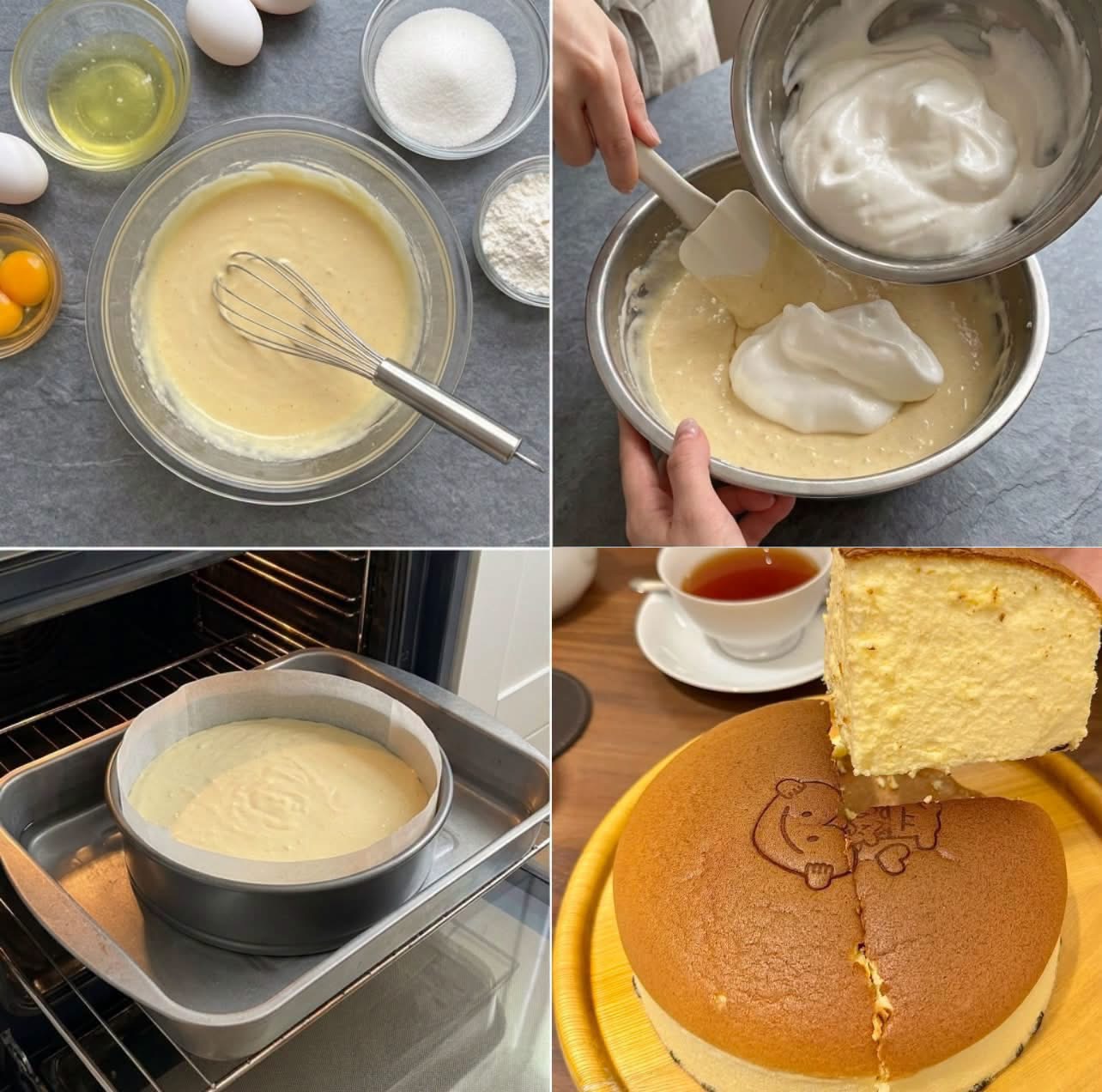
Light, airy, and incredibly soft, Japanese Cotton Sponge Cake is a delicate cake known for its cloud-like texture and gentle sweetness. It has a beautifully tender crumb that almost melts in your mouth, making it perfect for afternoon tea, birthdays, celebrations, or simply enjoying with a cup of coffee.
Unlike dense traditional cakes, this Japanese-style sponge relies on carefully whipped eggs to create its signature fluffy texture.
Origin
Japanese sponge cakes were influenced by European baking traditions and adapted to suit Japanese tastes, particularly a preference for lighter textures and more delicate sweetness.
Over time, Japanese bakers developed exceptionally soft sponge cakes that became popular in bakeries and homes throughout Japan.
Cultural Significance
Sponge cakes are an important part of Japanese bakery culture and are commonly used for celebrations and special occasions.
Japanese cakes often emphasize balance rather than intense sweetness, allowing the delicate texture and subtle flavors to shine.
Ingredients Quantity
For the Sponge Cake
- 4 large eggs, separated
- ¾ cup (150g) granulated sugar
- 1 cup (125g) cake flour
- ¼ cup (60ml) whole milk
- ¼ cup (60ml) vegetable oil
- 1 tsp vanilla extract
- ¼ tsp salt
- ½ tsp lemon juice or cream of tartar
Servings
Makes approximately 8–10 slices.
Optional Additions
For different flavors, try adding:
- 1 tsp lemon zest
- 1 tsp orange zest
- 1 tbsp matcha powder
- 1 tsp almond extract
- 1 tbsp honey
- Fresh strawberries
- Whipped cream
- Raspberry jam
- Chocolate ganache
Tips for Success
- Use room-temperature eggs for better volume.
- Make sure your mixing bowl is completely clean and grease-free when whipping the egg whites.
- Sift the flour before adding it to the batter.
- Don’t overmix after adding the flour.
- Fold the egg whites gently to preserve the air bubbles.
- Tap the pan lightly before baking to remove large air pockets.
- Don’t open the oven during the first part of baking.
- Allow the cake to cool gradually to reduce the chance of collapse.
- For the softest texture, don’t overbake.
Instructions
Step 1: Prepare the Oven and Pan
Preheat the oven to 325°F (165°C).
Line the bottom of an 8-inch (20cm) round cake pan with parchment paper.
Do not heavily grease the sides, as the batter benefits from having something to cling to while rising.
Step 2: Prepare the Egg Yolks
Separate the eggs carefully.
Place the egg yolks in one bowl and the egg whites in another large, clean mixing bowl.
Add the milk, vegetable oil, and vanilla extract to the egg yolks.
Whisk until smooth.
Step 3: Add the Flour
Sift the cake flour and salt into the yolk mixture.
Whisk gently until the batter is smooth and free of large lumps.
Do not overmix.
Step 4: Whip the Egg Whites
Add the lemon juice or cream of tartar to the egg whites.
Beat on medium speed until foamy.
Gradually add the sugar while continuing to beat.
Increase the speed and whip until you have medium-stiff peaks.
The meringue should be glossy and hold its shape without becoming dry.
Step 5: Combine the Batter
Add approximately one-third of the whipped egg whites to the egg-yolk batter.
Fold gently to lighten the mixture.
Add another third and fold carefully.
Finally, fold in the remaining egg whites until the batter is evenly combined.
Use a spatula and gentle folding motions rather than stirring.
Step 6: Fill the Pan
Pour the batter into the prepared cake pan.
Gently tap the pan once or twice on the counter to remove large air bubbles.
Smooth the top if necessary.
Step 7: Bake
Place the cake in the preheated oven.
Bake for approximately 35–45 minutes, or until the top is golden and a toothpick inserted into the center comes out clean.
The exact baking time will depend on your oven and pan.
Step 8: Cool
Remove the cake from the oven.
Let it cool in the pan for approximately 10 minutes.
Carefully loosen the edges with a thin spatula or knife.
Transfer the cake to a wire rack and allow it to cool completely.
Step 9: Slice and Serve
Once completely cool, use a sharp serrated knife to cut the cake into clean slices.
Serve plain or with your favorite toppings.
Description
Japanese Cotton Sponge Cake is exceptionally soft, airy, and delicate, with a light sweetness and a beautiful cloud-like crumb.
Whipped egg whites give this cake its signature height and fluffy texture, while milk and oil keep it wonderfully tender and moist.
Nutritional Information
Approximate per slice
- Calories: 190
- Protein: 5g
- Carbohydrates: 25g
- Fat: 8g
- Saturated Fat: 2g
- Cholesterol: 95mg
- Sodium: 90mg
- Fibre: 0.5g
- Sugar: 15g
Nutrition values are approximate and will vary depending on ingredients and serving size.
Conclusion
Japanese Cotton Sponge Cake is a beautiful example of simple baking done with care. Its incredibly soft texture, delicate sweetness, and airy crumb make it feel light and elegant without requiring heavy frosting or complicated decorations.
It’s especially delicious when served fresh with fruit and lightly sweetened cream.
Recommendation
Serve with:
- Fresh strawberries
- Blueberries
- Raspberries
- Whipped cream
- Strawberry jam
- Matcha cream
- Powdered sugar
- Honey
- A cup of Japanese green tea
- Coffee or milk tea
For a beautiful celebration cake, slice the sponge horizontally and fill it with lightly sweetened whipped cream and fresh strawberries.
Store leftovers in an airtight container in the refrigerator for up to 3 days. Bring to room temperature before serving for the softest texture.
Embracing Healthful Indulgence
Because this sponge cake is naturally light and doesn’t require a heavy frosting, it can be enjoyed as a more delicate dessert.
For a lighter option, serve it with fresh berries and lightly sweetened whipped cream rather than a rich frosting.