
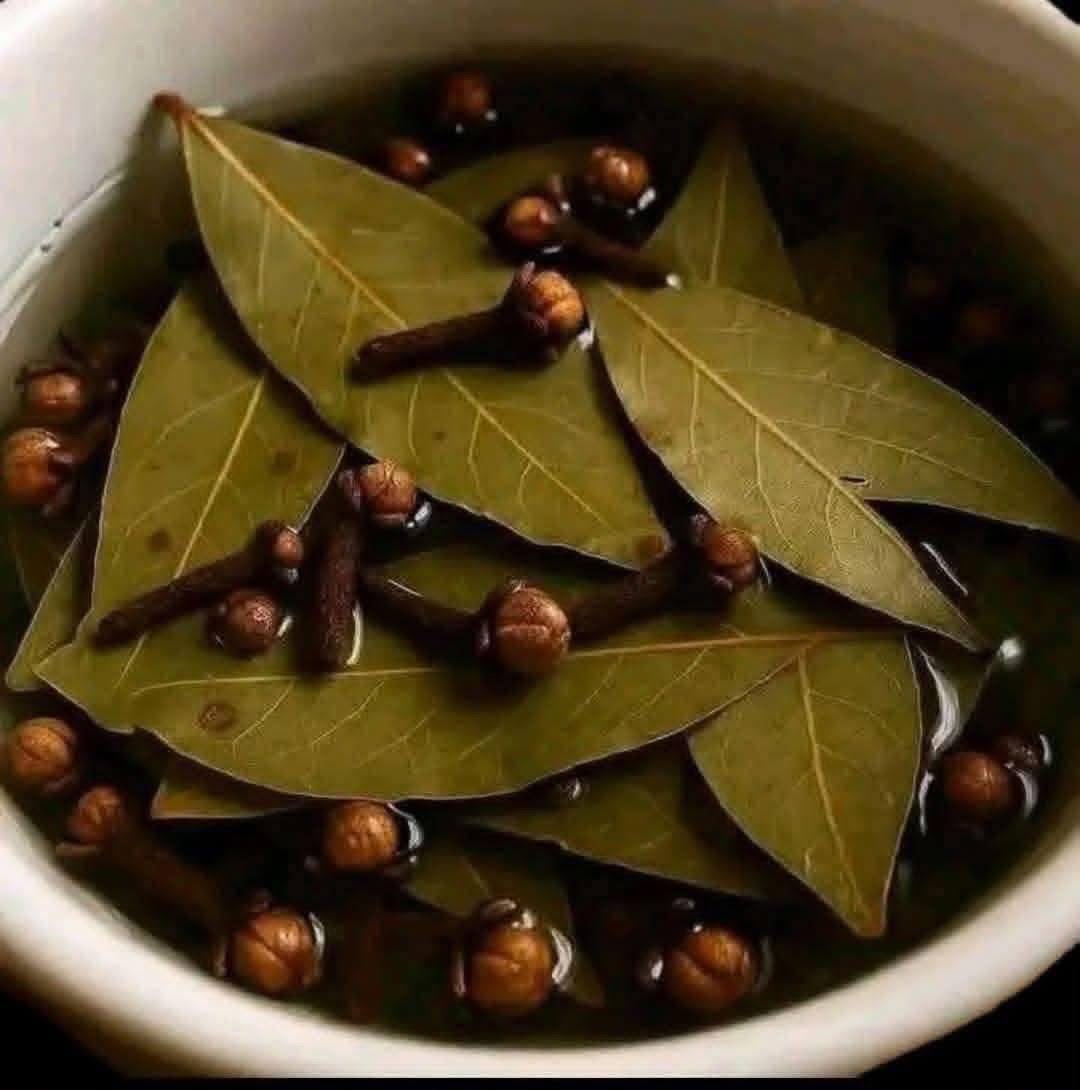
Bay leaves and cloves are two familiar kitchen spices that have been used for generations in traditional cooking and home remedies. When combined in a warm infusion, they create a fragrant drink with a rich, spicy flavor.
Online, this combination is sometimes promoted as a powerful remedy for weight loss, diabetes, high blood pressure, inflammation, or other health conditions. While some of the compounds found in bay leaves and cloves have been studied for their antioxidant and other biological properties, there is not enough evidence to say that this drink can cure diseases or replace medical treatment.
Still, there are some interesting reasons people enjoy this traditional combination.
Why Combine Bay Leaves and Cloves?
Bay leaves contain aromatic plant compounds, while cloves are particularly rich in eugenol, a naturally occurring compound responsible for much of their characteristic aroma.
Both spices contain antioxidant compounds, which help protect cells from oxidative stress. Most of the research, however, involves laboratory studies, extracts, animals, or specific preparations rather than ordinary homemade tea.
That distinction is important: promising research does not automatically mean that drinking a particular infusion will produce the same medical effects.
Potential Benefits
1. Antioxidant Compounds
Cloves and bay leaves contain various plant compounds with antioxidant activity. Including herbs and spices as part of a varied diet can contribute to overall dietary antioxidant intake.
2. Digestive Comfort
Spices such as cloves and bay leaves have traditionally been used after meals or in herbal preparations intended to support digestion. A warm, unsweetened drink may also feel soothing after a heavy meal.
3. Pleasant Alternative to Sugary Drinks
One practical benefit is simple: an unsweetened bay-leaf-and-clove infusion can replace sugary beverages, which may be useful for people trying to reduce their overall added-sugar intake.
4. Traditional Use for General Wellness
Both ingredients have a long history of culinary and traditional use. Their warm aroma and flavor can make the drink an enjoyable part of a relaxing routine.
How to Make Bay Leaf and Clove Tea
For a simple preparation, you can use:
- 2–3 dried bay leaves
- 3–5 whole cloves
- 2 cups of water
Directions
- Add the water to a small saucepan.
- Add the bay leaves and cloves.
- Bring the water to a gentle boil.
- Reduce the heat and simmer for about 5–10 minutes.
- Remove from the heat and allow it to cool slightly.
- Strain before drinking.
For a milder flavor, use fewer cloves or dilute the finished infusion with additional hot water.
There is no established medical requirement to drink a specific number of cups per day, and drinking more does not necessarily mean greater health benefits.
What About Weight Loss?
This is where many viral posts become misleading.
Bay leaf and clove tea has not been proven to directly burn body fat or cause significant weight loss.
If the drink replaces high-calorie sodas, sweetened juices, or other sugary beverages, it could indirectly support a healthier calorie balance. Sustainable weight management still depends primarily on overall diet, physical activity, sleep, and other lifestyle factors.
Can It Lower Blood Sugar or Blood Pressure?
Research has investigated compounds from bay leaves and cloves in relation to glucose metabolism and other biological processes, but this does not establish homemade tea as a treatment for diabetes or hypertension.
If you take medication for blood sugar or blood pressure, don’t replace or reduce your medication because of a herbal drink.
Important Safety Considerations
Natural ingredients can still have effects on the body.
Avoid consuming excessive amounts of concentrated clove preparations. Clove oil, in particular, is much more concentrated than culinary cloves and should not be treated like ordinary tea.
People who are pregnant, have significant medical conditions, take blood-thinning medication, or use medication that affects blood sugar should discuss regular use of concentrated herbal preparations with a healthcare professional.
And never put concentrated clove or bay-leaf preparations into your eyes or onto damaged skin.
The Bottom Line
Bay leaf and clove tea can be a flavorful traditional beverage and provides naturally occurring plant compounds. It may be enjoyable as part of a balanced lifestyle, but claims that it cures diabetes, hypertension, cancer, or rapidly melts away body fat are not supported by strong clinical evidence.