
Introduction
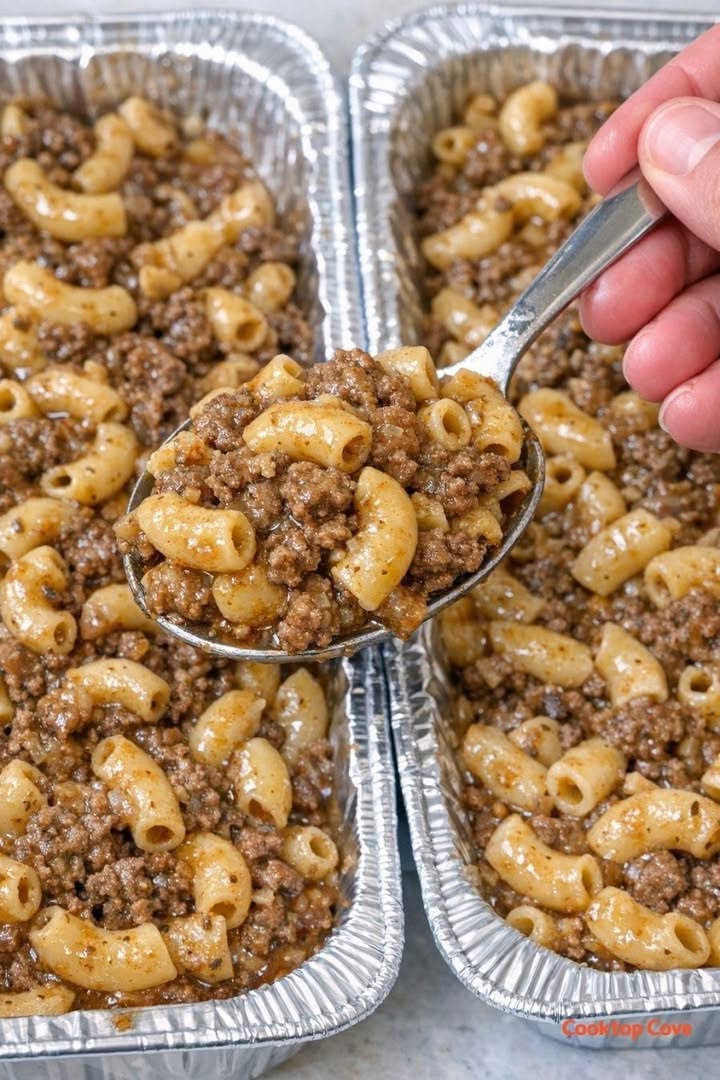
Amish Beef Macaroni is a comforting, old-fashioned skillet meal made with tender macaroni, seasoned ground beef, tomatoes, and a savory blend of simple seasonings. It is the kind of hearty recipe that feels homemade without requiring complicated ingredients or hours in the kitchen.
Everything comes together in one pot, making this an especially practical dinner for busy families. The combination of pasta and beef creates a filling meal, while the tomato-based sauce brings everything together with a rich, comforting flavor.
Origin
Amish cooking is often associated with simple ingredients, practical preparation methods, and homemade family meals. Recipes commonly emphasize affordability, seasonal ingredients, and dishes that can feed several people without unnecessary complexity.
While there isn’t one universally documented recipe that can be identified as the definitive “Amish Beef Macaroni,” dishes combining ground beef, pasta, tomatoes, and pantry staples fit well within the broader tradition of straightforward Midwestern and Amish-influenced home cooking.
This recipe is best understood as an Amish-style comfort-food dish, rather than a recipe with one officially established historical origin.
Cultural Significance
Food plays an important role in Amish family and community life. Meals are often prepared with an emphasis on practicality, hospitality, and feeding a household efficiently.
A dish like beef macaroni represents the appeal of this style of cooking: inexpensive ingredients can be transformed into a warm and satisfying meal that works equally well for an ordinary family dinner or a larger gathering.
The simplicity is part of its charm. There is no need for elaborate techniques or specialty ingredients. Good seasoning, wholesome ingredients, and careful cooking are enough to create a memorable meal.
Ingredients Quantity
For the Beef Macaroni
- 1 pound ground beef
- 2 cups elbow macaroni, uncooked
- 1 medium yellow onion, diced
- 2 cloves garlic, minced
- 1 can (14.5 oz) diced tomatoes, undrained
- 1 can (8 oz) tomato sauce
- 2 cups beef broth
- 1 tablespoon Worcestershire sauce
- 1 teaspoon salt
- 1/2 teaspoon black pepper
- 1 teaspoon paprika
- 1/2 teaspoon dried oregano
- 1/2 teaspoon dried Italian seasoning
- 1 tablespoon butter or olive oil
Optional Cheese Topping
- 1 cup shredded cheddar cheese
- 1/2 cup shredded mozzarella cheese
- Fresh parsley, for garnish
Optional Additions
This recipe is easy to customize depending on what you have available.
Vegetables
Add:
- Diced bell peppers
- Chopped carrots
- Celery
- Mushrooms
- Corn
- Peas
Extra Creaminess
For a richer version, stir in:
- 1/2 cup sour cream
- 1/2 cup heavy cream
- 2–4 oz cream cheese
Add dairy toward the end of cooking.
More Cheese
Cheddar is delicious, but you can also use:
- Monterey Jack
- Colby Jack
- Mozzarella
- Parmesan
A Little Heat
For a spicier version, add:
- Crushed red pepper flakes
- Cayenne pepper
- Diced jalapeño
- Hot sauce
Tips for Success
Brown the Beef Well
Allow the ground beef to brown properly before adding the liquid. Browning develops deeper savory flavor.
Don’t Skip the Onion
The onion adds sweetness and depth to the sauce and helps create the classic homemade flavor.
Drain Excess Grease
If your ground beef produces a significant amount of fat, drain some of it before continuing with the recipe.
Watch the Pasta
Macaroni can quickly become overcooked. Stir occasionally and cook just until tender.
Keep the Sauce
Don’t let the macaroni cook until completely dry. A little extra sauce keeps the finished dish moist and flavorful.
Taste Before Serving
Tomatoes and broth can vary in saltiness, so taste the dish toward the end and adjust the seasoning as needed.
Let It Rest
Allow the finished macaroni to sit for about 5 minutes before serving. This gives the sauce time to thicken slightly and cling to the pasta.
Instructions
1. Brown the Ground Beef
Heat a large Dutch oven or deep skillet over medium-high heat.
Add the ground beef and diced onion.
Cook for approximately 6–8 minutes, breaking the beef apart with a wooden spoon, until the meat is browned and the onion is tender.
Drain excess grease if necessary.
2. Add the Garlic and Seasonings
Add the minced garlic, paprika, oregano, Italian seasoning, salt, and black pepper.
Cook for about 30–60 seconds, stirring constantly.
Be careful not to burn the garlic.
3. Add the Tomatoes and Broth
Pour in the diced tomatoes with their juices, tomato sauce, and beef broth.
Add the Worcestershire sauce.
Stir everything together.
4. Add the Macaroni
Stir the uncooked elbow macaroni directly into the skillet.
Bring the mixture to a gentle boil.
5. Simmer
Reduce the heat to medium-low.
Cover partially and simmer for approximately 10–15 minutes, stirring occasionally.
Cook until the macaroni is tender and has absorbed some of the flavorful sauce.
If the mixture becomes too thick before the pasta is cooked, add a small amount of additional broth or water.
6. Add Cheese
If using cheese, sprinkle the shredded cheddar and mozzarella over the top.
Cover the skillet for 2–3 minutes, allowing the cheese to melt.
Alternatively, stir the cheese directly into the macaroni for an extra-creamy finish.
7. Rest and Serve
Remove the skillet from the heat.
Let the dish rest for about 5 minutes.
Garnish with fresh parsley if desired and serve warm.
Description
Amish Beef Macaroni is hearty, savory, and wonderfully comforting. The ground beef provides a rich, meaty flavor, while the tomatoes create a simple sauce that coats every piece of tender macaroni.
The onions and garlic add depth, Worcestershire sauce contributes a savory note, and optional melted cheddar gives the dish a creamy, cheesy finish.
It’s a simple meal that tastes like something that has been passed down through generations: warm, filling, familiar, and made with ingredients that are easy to keep in the pantry.
Nutritional Information
The following is an approximate estimate per serving, assuming the recipe makes 6 servings and includes cheddar cheese:
- Calories: 430–480
- Protein: 25–29 g
- Carbohydrates: 45–50 g
- Fat: 17–21 g
- Fiber: 3–4 g
- Sodium: approximately 700–900 mg
Actual nutrition will vary depending on the fat percentage of the ground beef, type of pasta, broth, cheese, and amount of salt used.
For a lighter version, use lean ground beef, reduce the cheese, choose a lower-sodium broth, and add extra vegetables.
Conclusion
Amish Beef Macaroni is a wonderful example of how simple pantry ingredients can become a satisfying homemade dinner. Ground beef, macaroni, tomatoes, onions, and everyday seasonings come together in one skillet to create a meal that’s hearty without being complicated.
It’s affordable, family-friendly, easy to customize, and especially comforting on a busy evening.
Recommendation
For the best experience, serve this macaroni hot with a simple green salad and warm homemade bread.
If you’re feeding a crowd, double the recipe and serve it alongside roasted vegetables or a fresh garden salad. The leftovers also make an excellent next-day lunch.
For an especially comforting version, add a generous layer of cheddar cheese during the final few minutes of cooking and let it melt until bubbly.
Embracing Healthful Indulgence
Comfort food doesn’t have to mean giving up balance. Amish Beef Macaroni can easily fit into a well-rounded meal when paired with plenty of vegetables and sensible portions.
Ground beef provides protein and important nutrients, while tomatoes contribute vitamins and antioxidants. Adding vegetables such as peppers, carrots, mushrooms, or spinach can increase the fiber and nutrient content without taking away from the comforting character of the dish.
You can also make small adjustments—such as choosing leaner beef, using whole-grain pasta, reducing the cheese slightly, and selecting a lower-sodium broth—to create a more balanced version while preserving the hearty, homemade flavor that makes this dish so appealing.