
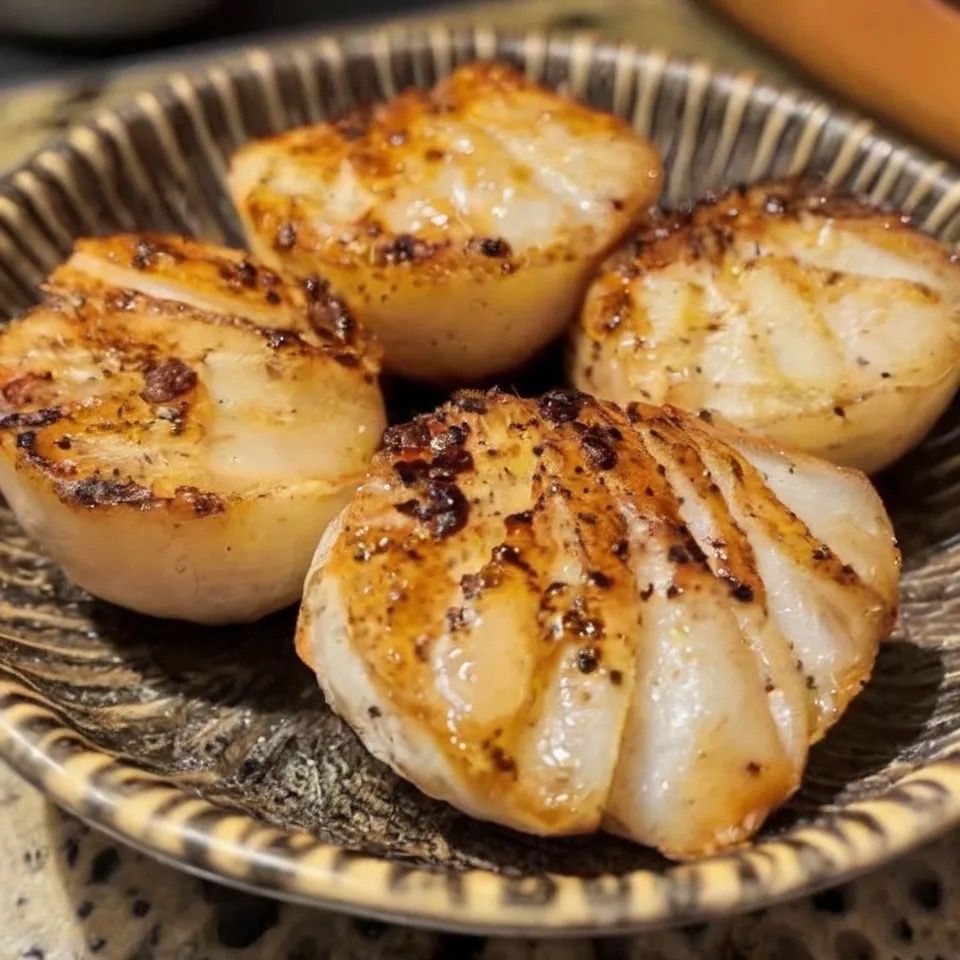
Brown Butter Scallops is one of those elegant yet surprisingly simple dishes that feels like something you would order at a fine dining restaurant but can easily prepare in your own kitchen. With a beautifully golden crust, a tender and buttery interior, and a nutty brown butter sauce infused with garlic and fresh lemon, this recipe transforms a handful of quality ingredients into something truly unforgettable. Whether you are planning a romantic dinner, hosting guests, or simply craving a restaurant-style seafood meal at home, these scallops deliver flavor, texture, and sophistication in every bite.
There is something magical about perfectly seared sea scallops. When cooked correctly, they develop a caramelized exterior while remaining soft, sweet, and delicate inside. The addition of brown butter elevates them even further, adding a rich, nutty aroma and deep flavor that pairs beautifully with the natural sweetness of the scallops. Garlic brings warmth and savoriness, while fresh lemon juice brightens the entire dish. A sprinkle of parsley at the end adds freshness and color, completing the presentation.
This comprehensive guide will walk you through everything you need to know about making flawless Brown Butter Scallops. From selecting the best scallops to mastering the perfect sear, from understanding the science behind browning butter to serving suggestions and storage tips, this recipe is designed to help you achieve consistent, impressive results every time.
Ingredients
1 pound sea scallops
Salt and freshly ground black pepper
2 tablespoons olive oil
4 tablespoons unsalted butter
2 garlic cloves, minced
1 tablespoon fresh lemon juice
Fresh parsley, chopped
Understanding Sea Scallops
Sea scallops are prized for their large size and sweet, delicate flavor. Unlike smaller bay scallops, sea scallops are ideal for searing because their size allows for a beautiful crust to develop without overcooking the interior. When shopping for scallops, look for “dry” scallops rather than “wet” scallops. Dry scallops have not been treated with preservatives and will sear more effectively, developing that coveted golden crust.
Fresh scallops should have a mild, slightly sweet ocean scent. They should appear creamy white or slightly pink, and they should feel firm and slightly moist but not slimy. If you are using frozen scallops, make sure to thaw them properly in the refrigerator overnight and pat them completely dry before cooking.
The Importance of Drying Scallops
One of the most critical steps in achieving perfectly seared scallops is removing excess moisture. Moisture is the enemy of browning. If scallops are wet, they will steam instead of sear, preventing the formation of that beautiful caramelized crust.
Before seasoning, place the scallops on a plate lined with paper towels and gently pat them dry on all sides. For best results, let them sit uncovered in the refrigerator for 30 to 60 minutes. This allows surface moisture to evaporate and enhances browning during cooking.
Seasoning for Maximum Flavor
Scallops have a naturally sweet and delicate flavor, so they do not require heavy seasoning. A simple combination of salt and freshly ground black pepper is enough to enhance their taste without overpowering them. Season both sides just before cooking to prevent drawing out too much moisture.
The Magic of Brown Butter
Brown butter, also known as beurre noisette, is simply butter that has been gently cooked until the milk solids turn golden brown. As butter melts and cooks, the water evaporates and the milk solids begin to toast. This creates a rich, nutty aroma and a deep, complex flavor that pairs beautifully with seafood.
When making brown butter for scallops, timing is crucial. Butter can go from perfectly browned to burnt in a matter of seconds. Using a light-colored skillet can help you monitor the color of the butter as it changes.
Step-by-Step Cooking Instructions
Step 1: Prepare the Scallops
Remove the small side muscle from each scallop if it is still attached. This muscle is tougher and can be easily peeled off. Pat the scallops thoroughly dry and season both sides with salt and pepper.
Step 2: Heat the Pan
Place a large skillet over medium-high heat. Add the olive oil and allow it to heat until shimmering but not smoking. The pan must be hot before adding the scallops to ensure a proper sear.
Step 3: Sear the Scallops
Carefully place the scallops in the hot pan, spacing them apart so they do not touch. Overcrowding the pan will lower the temperature and prevent browning. Let them cook undisturbed for about 2 to 3 minutes on the first side. You should see a golden-brown crust forming along the bottom edge.
Resist the urge to move them around. The key to a good sear is patience. Once the first side is deeply golden, flip the scallops and cook for another 1 to 2 minutes on the second side. The interior should remain slightly translucent in the center, indicating they are tender and not overcooked.
Step 4: Create the Brown Butter Sauce
Reduce the heat slightly. Add the unsalted butter to the pan. As it melts, swirl the pan gently. After about 1 to 2 minutes, the butter will begin to foam and then turn golden brown with a nutty aroma. Add the minced garlic during the final 30 seconds of browning to prevent burning.
Step 5: Finish with Lemon and Parsley
Once the butter is browned and fragrant, remove the pan from heat. Stir in the fresh lemon juice. Spoon the brown butter and garlic over the scallops. Sprinkle with chopped fresh parsley before serving.
How to Tell When Scallops Are Done
Perfectly cooked scallops should be opaque on the outside and slightly translucent in the center. They should feel firm but still springy to the touch. Overcooked scallops become rubbery and tough, so it is important to watch them closely.
In most cases, sea scallops need only 4 to 6 minutes total cooking time. High heat and minimal cooking ensure a tender interior and caramelized exterior.
Serving Suggestions
Brown Butter Scallops are incredibly versatile and pair beautifully with a variety of side dishes. For an elegant presentation, serve them over creamy mashed potatoes or risotto. The brown butter sauce drizzled over both the scallops and the starch creates a luxurious, cohesive dish.
They are also delicious served alongside angel hair pasta tossed lightly with olive oil and a squeeze of lemon. For a lighter option, pair them with sautéed spinach, roasted asparagus, or a crisp green salad.
If you are hosting a dinner party, consider serving the scallops as an appetizer on small plates with a drizzle of sauce and a sprinkle of flaky sea salt.
Wine Pairing Ideas
The delicate sweetness of scallops pairs beautifully with crisp white wines. A dry Sauvignon Blanc, Chardonnay, or Pinot Grigio complements the richness of the brown butter without overpowering the dish. If you prefer something sparkling, a dry Prosecco adds a refreshing contrast.
Tips for Success
Use a heavy-bottomed skillet to maintain even heat.
Make sure scallops are completely dry before cooking.
Do not overcrowd the pan. Cook in batches if necessary.
Avoid overcooking by keeping a close eye on timing.
Add garlic toward the end to prevent bitterness.
Variations and Flavor Additions
While the classic brown butter and lemon combination is timeless, you can customize the recipe to suit your taste. Add a pinch of red pepper flakes for gentle heat. Stir in a splash of white wine before the lemon juice for extra depth. Fresh thyme or rosemary can be added to the butter while browning for an herbal twist.
For a richer sauce, finish with a small splash of heavy cream. For a Mediterranean touch, add capers and a sprinkle of grated Parmesan.
Storing and Reheating
Scallops are best enjoyed immediately after cooking. However, leftovers can be stored in an airtight container in the refrigerator for up to two days. To reheat, warm gently in a skillet over low heat just until heated through. Avoid microwaving, as this can make them rubbery.
Frequently Asked Questions
Can I use frozen scallops?
Yes, but thaw them completely and pat them very dry before cooking.
Why didn’t my scallops brown?
They were likely too wet, or the pan was not hot enough.
Can I use salted butter?
You can, but adjust the added salt accordingly.
How do I prevent scallops from sticking?
Ensure the pan is hot before adding scallops and avoid moving them until a crust forms.
Nutritional Benefits
Scallops are a lean source of protein and are relatively low in fat. They are rich in vitamins B12 and D, as well as essential minerals like selenium and zinc. When cooked with heart-healthy olive oil and moderate butter, they make a balanced and nutritious meal.
Creating a Restaurant-Quality Experience at Home
The beauty of Brown Butter Scallops lies in their simplicity. With just a few high-quality ingredients and careful technique, you can create a dish that rivals any upscale seafood restaurant. The aroma of nutty brown butter combined with garlic and lemon fills the kitchen with warmth and anticipation.
Presentation matters. Arrange the scallops neatly on a warm plate, spoon the brown butter sauce over them, and finish with a touch of fresh parsley. Serve immediately while hot and fragrant.
This recipe proves that elegant cooking does not have to be complicated. With attention to detail and a little patience, you can master the art of perfectly seared scallops and impress family and guests alike. Brown Butter Scallops are not only a celebration of seafood but also a reminder that sometimes the simplest dishes are the most extraordinary.
Once you make this recipe, it may quickly become one of your favorite go-to seafood dishes. The combination of sweet scallops, nutty butter, aromatic garlic, and bright lemon is timeless, refined, and deeply satisfying.