
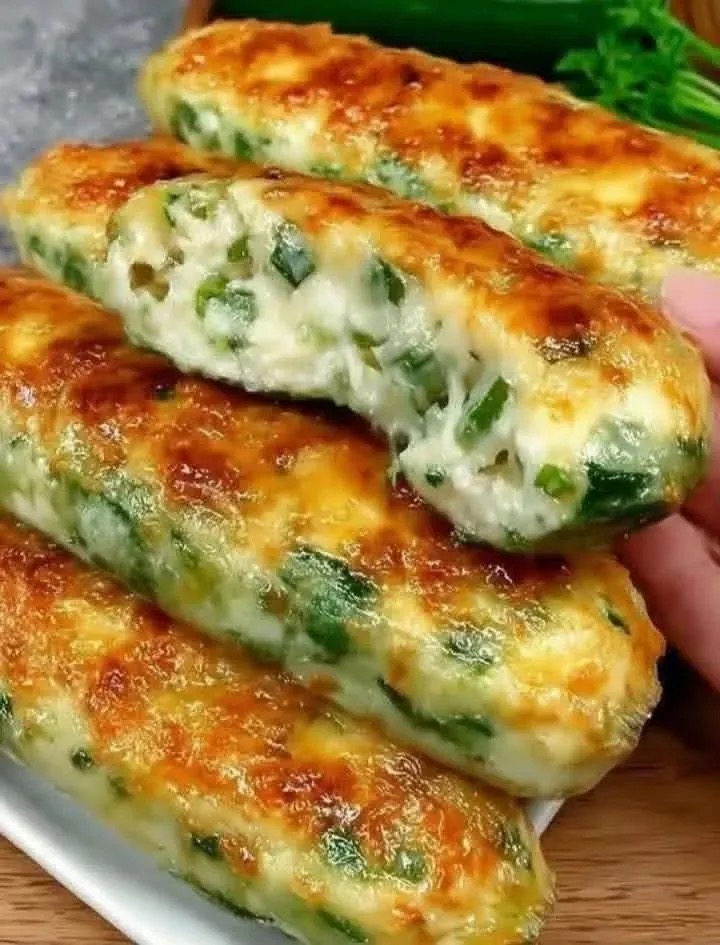
Cheesy Potato Sticks with Green Onions
Crispy on the Outside, Soft and Cheesy on the Inside
Cheesy Potato Sticks with Green Onions are the kind of snack that instantly brings comfort and satisfaction. Made from simple ingredients like potatoes, cheese, and fresh herbs, these sticks deliver everything people love about homemade comfort food: a crispy golden exterior, a soft and creamy interior, and rich, savory flavor in every bite.
This recipe transforms humble boiled potatoes into irresistible baked or fried sticks that are perfect as an appetizer, side dish, or snack. The addition of mozzarella gives the sticks their signature stretch and melt, while green onions add freshness and subtle sharpness that balances the richness of the cheese. Parmesan, though optional, adds depth and a hint of nuttiness.
In this detailed guide, you will learn not only how to make Cheesy Potato Sticks step by step, but also why each ingredient matters, how to customize the recipe to your taste, and how to serve, store, and reheat them for best results. This article is designed for website publication, offering both clarity for beginners and depth for experienced home cooks.
Why Cheesy Potato Sticks Are So Popular
Potatoes and cheese are a classic pairing found in cuisines around the world. From mashed potatoes to gratins, fries, and croquettes, this combination works because it brings together comfort, richness, and versatility.
Cheesy Potato Sticks stand out because they offer a fun, handheld format. They are easy to shape, easy to cook, and easy to serve. Their stick shape makes them ideal for dipping, sharing, and snacking, while their soft interior ensures they remain satisfying and filling.
Another reason for their popularity is flexibility. They can be baked for a lighter option or fried for maximum crispiness. They can be seasoned simply or customized with spices, herbs, or additional fillings. This adaptability makes them suitable for a wide range of occasions, from casual family meals to party platters.
Understanding the Ingredients and Their Roles
Each ingredient in this recipe has a specific purpose. Knowing why they are used will help you achieve consistent results and allow you to adapt the recipe confidently.
Potatoes
Potatoes form the base of the recipe. When boiled and mashed, they create a soft, starchy foundation that holds everything together. Starchy potatoes such as russet or Yukon Gold work best because they mash smoothly and bind well.
Mozzarella Cheese
Mozzarella provides the classic melt and stretch that makes these potato sticks so appealing. Its mild flavor allows the potato and herbs to shine while adding richness and texture.
Parmesan Cheese
Parmesan is optional but highly recommended. It adds a deeper, more savory flavor and enhances browning during cooking.
Flour or Cornstarch
Flour or cornstarch helps bind the mixture and absorb excess moisture. This step is essential for shaping the sticks and preventing them from falling apart during cooking.
Green Onions
Green onions add freshness, color, and a mild onion flavor that balances the richness of the cheese and potatoes. Parsley can be used as a substitute for a milder herbal note.
Egg
The egg acts as a binder, helping the mixture hold its shape and giving the sticks a tender but cohesive texture.
Salt and Black Pepper
Seasoning is crucial. Potatoes require sufficient salt to avoid blandness, while black pepper adds subtle warmth.
Butter or Oil
Used for brushing or baking, butter or oil helps create a golden, crisp exterior and enhances flavor.
Ingredients List
- 3 medium potatoes, boiled and mashed
- 1 cup (100 g) shredded mozzarella cheese
- 2 tablespoons grated Parmesan cheese (optional)
- 2 tablespoons flour or cornstarch
- 2 tablespoons chopped green onions (or parsley)
- 1 egg
- Salt, to taste
- Black pepper, to taste
- 1 tablespoon butter or oil, for brushing or baking
Equipment Needed
- Large pot for boiling potatoes
- Potato masher or fork
- Mixing bowl
- Wooden spoon or spatula
- Baking tray or frying pan
- Parchment paper (if baking)
- Knife or bench scraper for shaping
Step-by-Step Instructions
Step 1: Boil and Mash the Potatoes
Peel the potatoes and cut them into evenly sized chunks. Place them in a large pot of cold, salted water. Bring to a boil and cook until fork-tender, about 15 to 20 minutes.
Drain the potatoes thoroughly and return them to the pot. Allow excess steam to escape for a minute, then mash until smooth. Avoid adding butter or milk at this stage, as the potatoes need to remain firm enough for shaping.
Allow the mashed potatoes to cool slightly before proceeding.
Step 2: Prepare the Potato Mixture
Transfer the mashed potatoes to a large mixing bowl. Add the shredded mozzarella, grated Parmesan if using, flour or cornstarch, chopped green onions, egg, salt, and black pepper.
Mix gently until all ingredients are evenly combined. The mixture should be soft but not sticky. If it feels too wet, add a small amount of flour or cornstarch. If too dry, a tablespoon of milk can be added.
Step 3: Shape the Potato Sticks
Lightly flour your hands or work surface. Take a portion of the mixture and roll it into a log about the size of a finger. Repeat until all the mixture is used.
Place the shaped sticks on a tray lined with parchment paper. Refrigerate for 15 to 20 minutes. This step helps firm them up and makes cooking easier.
Cooking Methods
Baking Method (Lighter Option)
Preheat the oven to 200°C (400°F).
Arrange the potato sticks on a baking tray lined with parchment paper, leaving space between each one. Lightly brush or spray with butter or oil.
Bake for 20 to 25 minutes, turning halfway through, until golden and crisp on the outside.
Pan-Frying Method (Crispier Option)
Heat a shallow layer of oil in a frying pan over medium heat.
Add the potato sticks in batches, making sure not to overcrowd the pan. Fry until golden brown on all sides, about 2 to 3 minutes per side.
Transfer to a plate lined with paper towels to remove excess oil.
Texture and Flavor Profile
Cheesy Potato Sticks offer a satisfying contrast of textures. The exterior is crisp and lightly golden, while the interior remains soft, creamy, and rich with melted cheese. The green onions add freshness and a subtle bite that prevents the dish from feeling too heavy.
Variations and Customizations
Garlic Cheese Potato Sticks
Add minced garlic or garlic powder to the mixture for extra flavor.
Spicy Potato Sticks
Mix in chili flakes, paprika, or cayenne pepper for heat.
Herb-Infused Version
Add fresh herbs such as chives, dill, or thyme for a more aromatic profile.
Stuffed Potato Sticks
Insert a small cube of cheese into the center of each stick for an extra gooey surprise.
Gluten-Free Option
Use cornstarch instead of flour to keep the recipe gluten-free.
Dipping Sauce Ideas
Cheesy Potato Sticks pair beautifully with a variety of sauces, including:
- Sour cream or yogurt dip
- Garlic mayonnaise
- Ketchup or chili sauce
- Ranch dressing
- Cheese sauce
Serving Suggestions
These potato sticks can be served as:
- An appetizer for gatherings
- A snack for kids and adults alike
- A side dish alongside grilled meats or salads
They are best enjoyed hot and fresh, when the cheese is still melted and the exterior is crisp.
Storage and Reheating
Storage
Store leftover potato sticks in an airtight container in the refrigerator for up to 3 days.
Reheating
Reheat in the oven at 180°C (350°F) until warmed through and crisp again. Avoid microwaving, as it can make them soft.
Make-Ahead Tips
The potato mixture can be prepared a day in advance and stored in the refrigerator. Shape and cook just before serving for best texture.
Common Mistakes to Avoid
- Using potatoes that are too wet
- Skipping the chilling step
- Overcrowding the pan when frying
- Under-seasoning the mixture
Nutritional Considerations
These potato sticks provide carbohydrates for energy and calcium from cheese. Portion control and baking instead of frying can make them a more balanced option.
Final Thoughts
Cheesy Potato Sticks with Green Onions are a simple yet deeply satisfying recipe that turns everyday ingredients into a crowd-pleasing dish. Their versatility, ease of preparation, and comforting flavor make them a reliable choice for any occasion.
This long-form recipe is designed for website use, offering clear instructions, helpful tips, and room for creativity. Once you master the base recipe, you can adapt it endlessly to suit your tastes, making it a staple in your kitchen for years to come.