
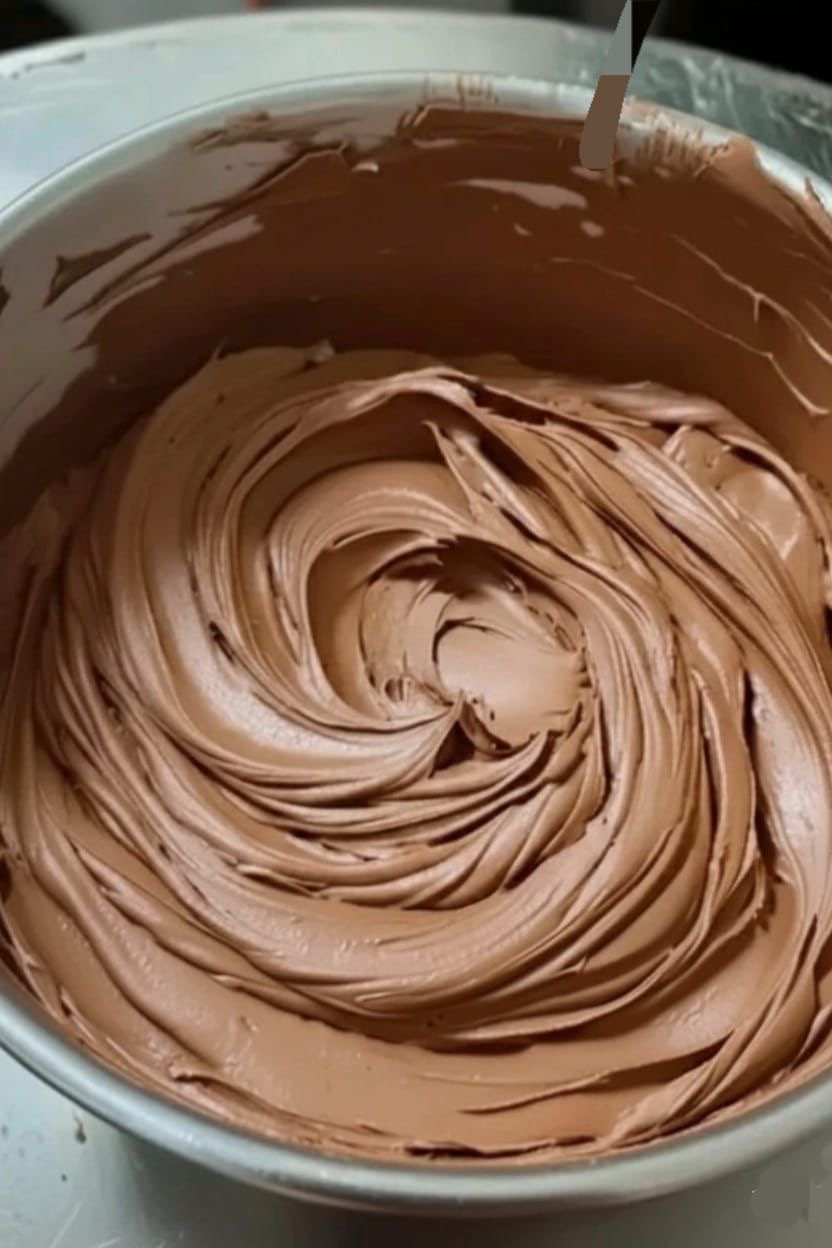
Frosting Recipe
Chocolate buttercream frosting is one of the most versatile and beloved frostings in baking. Rich, smooth, and deeply chocolatey, it pairs beautifully with everything from classic vanilla cake to chocolate cupcakes, brownies, and even cookies. Whether you are frosting a birthday cake, decorating cupcakes for a celebration, or simply spreading it between cake layers for a casual dessert, this chocolate buttercream frosting delivers a luxurious texture and balanced sweetness that appeals to all ages.
This recipe is designed to be approachable for beginners while still producing bakery-quality results. With just a few pantry staples and the right technique, you can create a frosting that is creamy, stable, and easy to work with. The detailed instructions and tips below will help you understand not just how to make chocolate buttercream frosting, but why each step matters, so you can confidently adapt it to your own needs.
What Is Chocolate Buttercream Frosting?
Chocolate buttercream frosting is a variation of classic American buttercream. It is made by creaming butter with confectioners’ sugar and cocoa powder, resulting in a sweet, fluffy frosting with a rich chocolate flavor. Unlike ganache, which relies on melted chocolate and cream, buttercream is lighter in texture and easier to spread or pipe.
American chocolate buttercream is especially popular because it:
- Uses simple, widely available ingredients
- Comes together quickly
- Holds its shape well for piping and decorating
- Can be easily adjusted for sweetness, thickness, and flavor intensity
This frosting is ideal for home bakers, professional decorators, and anyone looking for a reliable chocolate frosting that works in nearly any application.
Ingredients
Core Ingredients
- 1 cup unsalted butter, softened
Butter forms the base of this frosting. Using unsalted butter allows you to control the overall flavor and prevents the frosting from becoming overly salty. - 3 cups confectioners’ sugar
Also known as powdered sugar or icing sugar, confectioners’ sugar provides sweetness and structure. Its fine texture ensures a smooth frosting without graininess. - 1/2 cup unsweetened natural cocoa powder
Cocoa powder gives the frosting its deep chocolate flavor. Unsweetened cocoa powder balances the sweetness of the sugar and creates a rich, classic chocolate taste.
Optional but Recommended Ingredients
These ingredients are not required, but they significantly improve flavor, texture, and spreadability.
- 2–4 tablespoons milk, heavy cream, or whipping cream
Adds moisture and helps adjust consistency. - 1–2 teaspoons pure vanilla extract
Enhances and rounds out the chocolate flavor. - Pinch of salt
Balances sweetness and intensifies chocolate notes.
Ingredient Notes and Substitutions
Butter
The butter should be softened but not melted. Properly softened butter will feel cool to the touch and yield slightly when pressed. If the butter is too cold, it will not cream properly. If it is too warm or melted, the frosting may become greasy or loose.
You may use plant-based butter alternatives, but results will vary depending on fat content and water ratio.
Confectioners’ Sugar
Sifting the confectioners’ sugar is highly recommended. This prevents lumps and ensures a silky smooth frosting. If your sugar contains cornstarch (most commercial brands do), it will help stabilize the frosting.
Cocoa Powder
Natural unsweetened cocoa powder gives a lighter brown color and traditional chocolate flavor. Dutch-processed cocoa powder can also be used, resulting in a darker color and slightly smoother, less acidic taste.
Liquid Choices
Milk creates a lighter frosting, while heavy cream produces a richer, more luxurious texture. Add liquid gradually to avoid thinning the frosting too much.
Equipment Needed
- Stand mixer or hand mixer
- Large mixing bowl
- Rubber spatula
- Fine mesh sieve (for sifting sugar and cocoa powder)
- Measuring cups and spoons
Step-by-Step Instructions
Step 1: Prepare the Ingredients
Before beginning, ensure all ingredients are measured and ready. Allow the butter to soften fully at room temperature. Sift the confectioners’ sugar and cocoa powder together to eliminate lumps and evenly distribute the cocoa.
Step 2: Cream the Butter
Place the softened butter in a large mixing bowl. Using a stand mixer fitted with the paddle attachment or a hand mixer, beat the butter on medium speed for 2–3 minutes. The butter should become pale, fluffy, and smooth. This step incorporates air, which gives the frosting a light texture.
Step 3: Add Cocoa Powder
Gradually add the sifted cocoa powder to the butter, mixing on low speed to prevent it from puffing into the air. Once incorporated, increase the speed to medium and beat until fully combined.
Step 4: Incorporate Confectioners’ Sugar
Add the confectioners’ sugar in small additions, beating on low speed after each addition. Scrape down the sides of the bowl as needed. Once all the sugar is incorporated, increase the speed to medium-high and beat for 1–2 minutes.
Step 5: Adjust Consistency
Add milk or cream one tablespoon at a time, beating after each addition, until the frosting reaches your desired consistency. For spreading, aim for soft and creamy. For piping, slightly thicker frosting works best.
Step 6: Add Flavor Enhancers
Mix in vanilla extract and a pinch of salt, if using. Beat for an additional 30–60 seconds until the frosting is smooth and fluffy.
How to Achieve the Perfect Texture
The texture of chocolate buttercream frosting can be easily adjusted depending on your needs:
- Too thick: Add a small amount of liquid and beat again
- Too thin: Add more confectioners’ sugar, one tablespoon at a time
- Too sweet: Add more cocoa powder or a pinch of salt
- Too bitter: Add a little extra sugar or vanilla
Always make adjustments gradually, mixing well between additions.
How to Use Chocolate Buttercream Frosting
This frosting is extremely versatile and can be used in many ways:
- Frosting layer cakes
- Decorating cupcakes with piping tips
- Filling sandwich cookies
- Topping brownies or bars
- Spreading on sheet cakes
It pairs especially well with vanilla, chocolate, red velvet, coffee, peanut butter, and banana-flavored baked goods.
Storage and Make-Ahead Tips
Chocolate buttercream frosting can be made in advance and stored properly.
- Room temperature: Up to 1 day in an airtight container
- Refrigerator: Up to 1 week
- Freezer: Up to 3 months
Before using refrigerated or frozen frosting, allow it to come to room temperature and rewhip briefly to restore its creamy texture.
Common Mistakes and How to Avoid Them
- Using cold butter: Results in lumpy frosting
- Adding sugar too quickly: Can cause graininess
- Skipping sifting: Leads to lumps
- Overmixing: Can incorporate too much air, causing instability
Paying attention to temperature and mixing speed makes a significant difference in the final result.
Variations and Flavor Ideas
Once you master this base recipe, you can customize it in many ways:
- Add espresso powder for mocha frosting
- Mix in melted dark chocolate for deeper flavor
- Add cinnamon or chili powder for a subtle spice
- Use peppermint extract for holiday desserts
Why This Recipe Works
This chocolate buttercream frosting balances fat, sugar, and cocoa for a smooth, stable, and flavorful result. The method ensures proper aeration while maintaining structure, making it reliable for both beginners and experienced bakers. The optional ingredients allow flexibility without compromising the core recipe.
Final Thoughts
Chocolate buttercream frosting is a timeless classic that deserves a place in every baker’s recipe collection. With its rich flavor, creamy texture, and endless versatility, it is the perfect finishing touch for countless desserts. By following the detailed steps and tips in this guide, you can confidently create a frosting that looks beautiful, tastes indulgent, and performs well for any occasion.