
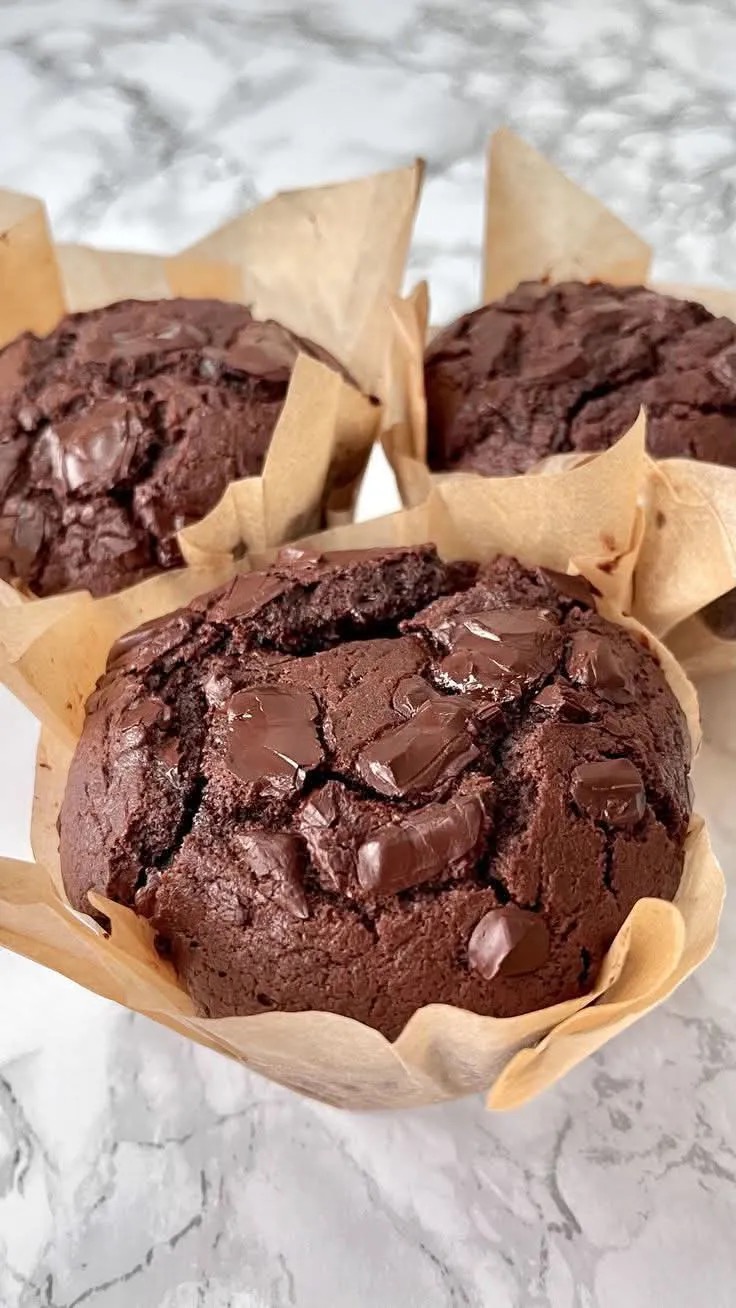
Chocolate Chunk Muffins
A Bakery-Style Muffin Recipe with Rich Chocolate Pieces and a Soft, Tender Crumb
Introduction
Chocolate chunk muffins are a timeless baked good that sits perfectly between breakfast and dessert. They are indulgent enough to feel like a treat, yet simple and comforting enough to enjoy with a morning cup of coffee or an afternoon tea. Unlike cupcakes, muffins are less sweet, more rustic, and designed to highlight texture and flavor rather than frosting and decoration. When made well, a chocolate chunk muffin is soft and moist on the inside, lightly crisp on top, and filled with pockets of melted chocolate in every bite.
This recipe focuses on achieving bakery-style chocolate chunk muffins using simple ingredients and straightforward techniques. The method emphasizes balance: just enough sugar for sweetness, enough fat for moisture, and the right mixing technique to create a tender crumb without overworking the batter. The result is a muffin that rises beautifully, domes naturally, and stays fresh for days.
Whether you are baking for your family, preparing treats for a café-style brunch, or creating content for a food website, this recipe delivers consistent, reliable results. It is also highly adaptable, making it suitable for customization with nuts, fruit, or alternative flours.
In this detailed guide, you will learn not only how to make chocolate chunk muffins, but also why each ingredient matters, how to avoid common baking mistakes, and how to achieve professional-quality results at home.
Why Chocolate Chunk Muffins Are Better Than Chocolate Chip Muffins
While chocolate chip muffins are popular, chocolate chunk muffins offer a superior eating experience. Chocolate chunks melt unevenly, creating larger pockets of molten chocolate throughout the muffin. This variation in texture makes each bite more interesting and indulgent.
Chocolate chunks also allow you to control the quality of chocolate used. Instead of relying on pre-made chips, which often contain stabilizers to help them keep their shape, chopped chocolate melts more naturally and delivers a richer flavor. This is especially important if you use dark or semi-sweet chocolate with a high cocoa content.
By using chocolate chunks, this recipe bridges the gap between a classic muffin and a bakery-style pastry.
Ingredients Overview
All ingredients are listed before instructions for clarity and ease of preparation.
Dry Ingredients
- All-purpose flour – 2 cups (250 g)
- Granulated sugar – ¾ cup (150 g)
- Baking powder – 2 teaspoons
- Salt – ½ teaspoon
Wet Ingredients
- Milk – ¾ cup (180 ml)
- Vegetable oil or melted butter – ½ cup (120 ml)
- Eggs – 2 large
- Vanilla extract – 1 teaspoon
Chocolate
- Chocolate chunks or chopped chocolate – 1 cup (170 g)
Optional Topping
- Extra chocolate chunks for topping
Ingredient Breakdown and Baking Science
All-Purpose Flour
All-purpose flour provides structure to the muffins. It contains enough protein to support a good rise without making the muffins dense or chewy. Measuring flour accurately is critical. Too much flour will result in dry, heavy muffins, while too little can cause them to collapse.
For best results, spoon the flour into the measuring cup and level it off rather than scooping directly from the bag.
Granulated Sugar
Sugar contributes sweetness, moisture, and browning. Granulated sugar works well here because it dissolves easily into the wet ingredients and creates a light, tender crumb. Using ¾ cup keeps the muffins balanced, allowing the chocolate to shine without overpowering the base flavor.
Baking Powder
Baking powder is the primary leavening agent. It helps the muffins rise and gives them a soft, airy texture. Using the correct amount is essential. Too little will make the muffins flat, while too much can cause a bitter aftertaste and uneven rise.
Salt
Salt enhances flavor and balances sweetness. Even in sweet baked goods, salt plays a critical role by sharpening flavors and preventing the muffins from tasting flat.
Milk
Milk adds moisture and helps dissolve dry ingredients. Whole milk is ideal for richness, but low-fat milk also works. Milk contributes to browning and softness in the final muffin.
Vegetable Oil or Melted Butter
Both options work well, but they offer slightly different results.
- Vegetable oil produces extremely moist muffins that stay soft longer.
- Melted butter adds flavor and richness but can firm up slightly as it cools.
For bakery-style softness and longer shelf life, vegetable oil is often preferred.
Eggs
Eggs provide structure, richness, and stability. They help bind the ingredients together and contribute to a tender crumb. Always use room-temperature eggs for better incorporation into the batter.
Vanilla Extract
Vanilla enhances the overall flavor and complements the chocolate. Even a small amount makes a noticeable difference in aroma and taste.
Chocolate Chunks
Use good-quality chocolate for best results. Dark, semi-sweet, or milk chocolate all work, depending on preference. Chopping a chocolate bar allows for varied chunk sizes, which creates a more interesting texture throughout the muffins.
Equipment Needed
- Large mixing bowl
- Medium mixing bowl
- Whisk
- Spatula or wooden spoon
- Muffin tin
- Paper liners or non-stick spray
- Measuring cups and spoons
Step-by-Step Instructions
Step 1: Preheat and Prepare
Preheat the oven to 190°C (375°F). Line a muffin tin with paper liners or grease it lightly with non-stick spray. Proper oven temperature is crucial for a good rise and domed tops.
Step 2: Mix the Dry Ingredients
In a large bowl, whisk together the flour, sugar, baking powder, and salt. Whisking evenly distributes the leavening agent and prevents clumps, ensuring consistent texture in every muffin.
Step 3: Mix the Wet Ingredients
In a separate bowl, whisk together the milk, oil or melted butter, eggs, and vanilla extract until smooth and fully combined. Mixing wet ingredients separately helps prevent overmixing later.
Step 4: Combine Wet and Dry Ingredients
Pour the wet ingredients into the bowl with the dry ingredients. Using a spatula or wooden spoon, gently fold the mixture together until just combined. The batter should look slightly lumpy. Overmixing will develop gluten and result in tough muffins.
Step 5: Add the Chocolate Chunks
Fold in the chocolate chunks gently, reserving a small handful for topping if desired. Distributing the chocolate evenly ensures that every muffin contains generous pieces.
Step 6: Fill the Muffin Tin
Divide the batter evenly among the muffin cups, filling each about three-quarters full. Sprinkle extra chocolate chunks on top for a bakery-style appearance.
Step 7: Bake
Bake for 18 to 22 minutes, or until the tops are lightly golden and a toothpick inserted into the center comes out with a few moist crumbs. Avoid overbaking, as this will dry out the muffins.
Step 8: Cool
Allow the muffins to cool in the pan for 5 minutes before transferring them to a wire rack. Cooling slightly helps set the structure while keeping the interior soft.
How to Achieve Bakery-Style Muffin Tops
For higher, domed muffin tops, start baking at a slightly higher temperature for the first 5 minutes, then reduce the oven temperature by 10–15 degrees for the remainder of the baking time. This initial burst of heat helps the muffins rise quickly.
Variations and Add-Ins
Double Chocolate Muffins
Add ¼ cup cocoa powder to the dry ingredients and increase milk slightly for moisture.
Nutty Chocolate Muffins
Add ½ cup chopped walnuts, pecans, or hazelnuts.
Chocolate Orange Muffins
Add orange zest to the batter and use dark chocolate chunks.
Healthier Option
Replace half the flour with whole wheat flour and reduce sugar slightly.
Storage and Shelf Life
Store muffins in an airtight container at room temperature for up to 3 days. For longer storage, refrigerate for up to 5 days or freeze for up to 2 months. Thaw at room temperature before serving.
Serving Suggestions
Chocolate chunk muffins are perfect for breakfast, brunch, lunchboxes, or dessert. Serve warm with butter, alongside fresh fruit, or with a hot beverage.
Common Mistakes to Avoid
- Overmixing the batter
- Using cold ingredients
- Overbaking
- Incorrect flour measurement
Frequently Asked Questions
Can I use chocolate chips instead of chunks?
Yes, but chunks provide better texture and flavor.
Can I make these muffins dairy-free?
Yes, use plant-based milk and oil instead of butter.
Why are my muffins dense?
Likely due to overmixing or expired baking powder.
Final Thoughts
These chocolate chunk muffins are a reliable, crowd-pleasing recipe that combines simplicity with indulgence. With their soft crumb, rich chocolate pieces, and classic flavor, they are suitable for everyday baking as well as professional use.
By understanding the role of each ingredient and following proper mixing techniques, you can consistently produce muffins that look and taste like they came from a bakery. This recipe is versatile, forgiving, and easy to adapt, making it a valuable addition to any recipe collection or food website.