
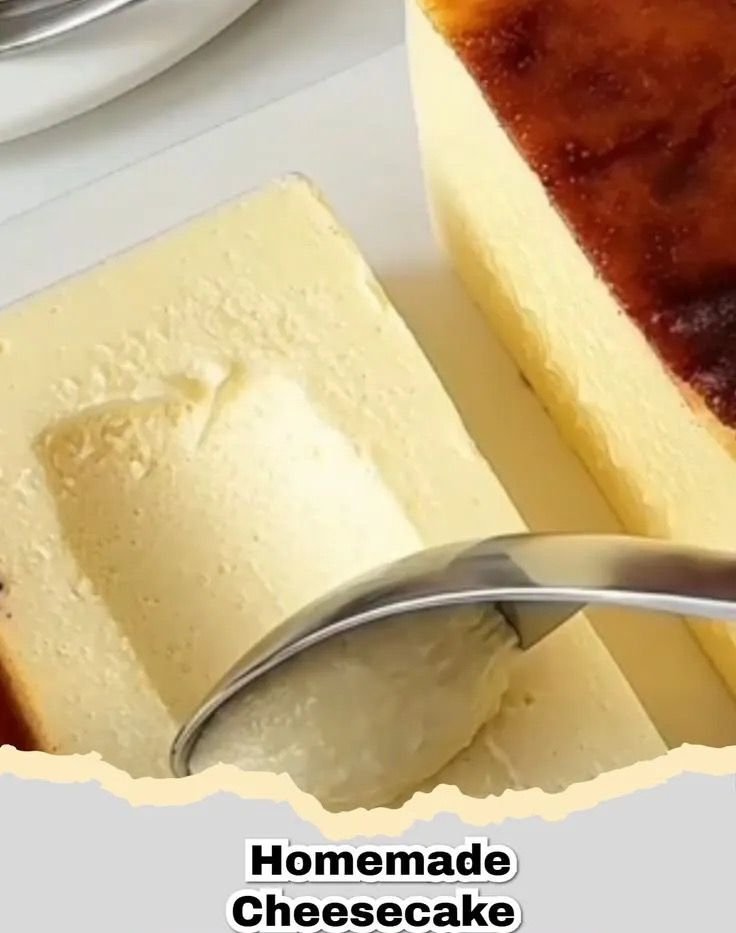
There is something timeless and comforting about a truly classic cheesecake. It is one of those desserts that feels luxurious and indulgent, yet it is built from surprisingly simple ingredients. This homemade cheesecake recipe focuses on purity, texture, and technique rather than excess. With no crust and no unnecessary additions, it highlights the rich creaminess of cream cheese, the delicate sweetness of powdered sugar, and the silky structure created by eggs and egg yolk. The result is a smooth, dense, bakery-style cheesecake that melts in your mouth and delivers a clean, elegant flavor.
This recipe is ideal for anyone who loves traditional desserts, appreciates minimalist baking, or wants a reliable cheesecake base that can be enjoyed on its own or dressed up with toppings. It is also perfect for home bakers who want professional results without complicated steps or hard-to-find ingredients. Whether you are making it for a special occasion, a family gathering, or simply to enjoy a slice with coffee, this cheesecake delivers consistent, impressive results.
Why This Cheesecake Recipe Works
The beauty of this recipe lies in its balance. Each ingredient serves a clear purpose, and nothing is included without reason. Cream cheese provides richness and body. Powdered sugar dissolves smoothly into the batter, ensuring a velvety texture without graininess. Whole eggs give structure, while the additional egg yolk adds extra creaminess and a custard-like mouthfeel.
Unlike cheesecakes that rely on heavy cream, sour cream, or flour, this version keeps the ingredient list short and focused. The baking temperature is intentionally moderate, allowing the cheesecake to cook gently and evenly. This prevents cracking, preserves moisture, and produces a perfectly set exterior with a soft, slightly jiggly center.
Because there is no crust, the cheesecake bakes more evenly from edge to center, and the pure flavor of the filling shines through. This also makes it a great option for those who prefer crustless desserts or want a naturally gluten-free treat.
Ingredients and Their Roles
Cream Cheese (350 g)
Cream cheese is the foundation of this cheesecake. It should be full-fat and softened to room temperature before mixing. Softened cream cheese blends smoothly and prevents lumps in the batter. Using full-fat cream cheese is essential for achieving the classic dense, creamy texture that defines a great cheesecake.
Powdered Sugar (60 g)
Powdered sugar, also known as icing sugar, is finer than granulated sugar and dissolves effortlessly into the cream cheese. This creates a smoother batter and a more refined texture. The amount used in this recipe provides gentle sweetness without overpowering the natural tang of the cream cheese.
Eggs (3 large)
Eggs act as the binding and setting agent in cheesecake. They give structure while maintaining a custard-like softness. Adding the eggs one at a time helps control the texture and prevents overmixing, which can introduce too much air and cause cracking.
Egg Yolk (1)
The extra egg yolk adds richness and enhances the creaminess of the cheesecake. Yolks contain fat and emulsifiers that contribute to a smooth, luxurious mouthfeel and a slightly deeper color.
Equipment Needed
To make this cheesecake successfully, you will need:
A mixing bowl
A hand mixer or stand mixer with paddle attachment
A rubber spatula
An 18–20 cm springform pan
Parchment paper (optional but recommended)
An oven
Using a springform pan makes it easier to remove the cheesecake cleanly after chilling. Lining the bottom with parchment paper helps prevent sticking and ensures neat slices.
Step-by-Step Instructions
Preparation
Begin by preheating your oven to 160°C (325°F). This moderate temperature is crucial for gentle baking. Grease your springform pan lightly with butter or neutral oil. If desired, line the bottom with parchment paper.
Make sure all ingredients are at room temperature. Cold cream cheese or eggs can result in a lumpy batter and uneven baking.
Mixing the Batter
Place the softened cream cheese into a large mixing bowl. Beat it on low to medium speed until completely smooth and creamy. This step is essential and should not be rushed. Scrape down the sides of the bowl as needed to ensure even mixing.
Add the powdered sugar to the cream cheese. Mix on low speed until fully incorporated. The mixture should be smooth, glossy, and free of lumps.
Add the eggs one at a time, mixing gently after each addition. Do not overmix. The goal is to blend the eggs into the batter without incorporating excess air.
Finally, add the egg yolk and mix just until combined. The batter should be thick, smooth, and silky.
Pouring and Preparing for Baking
Pour the batter into the prepared pan. Use a spatula to smooth the top. Gently tap the pan on the counter a few times to release any trapped air bubbles.
If you want extra insurance against cracks, you can place a shallow pan of hot water on the lower rack of the oven to create gentle steam.
Baking
Place the cheesecake on the center rack of the oven. Bake for 40 to 45 minutes. The edges should be set, while the center should still have a slight jiggle when gently shaken.
Avoid opening the oven door during baking, as sudden temperature changes can cause cracks.
Cooling Process
Once baking is complete, turn off the oven and crack the door open slightly. Allow the cheesecake to cool in the oven for 30 minutes. This gradual cooling helps prevent sinking and cracking.
After 30 minutes, remove the cheesecake from the oven and let it cool completely at room temperature. Then refrigerate for at least 4 hours, preferably overnight.
Chilling and Serving
Chilling allows the cheesecake to fully set and develop its flavor and texture. When ready to serve, run a knife around the edge of the pan before releasing the springform.
Slice with a sharp knife, wiping the blade clean between cuts for neat slices.
Flavor Variations and Topping Ideas
This cheesecake is delicious on its own, but it also serves as a perfect canvas for toppings:
Fresh berries such as strawberries, raspberries, or blueberries
Fruit compote or coulis
Honey or caramel drizzle
Chocolate ganache
Lemon curd
Whipped cream
Because the base flavor is neutral and creamy, it pairs beautifully with both sweet and slightly tart toppings.
Storage and Make-Ahead Tips
Cheesecake stores exceptionally well. Cover it tightly and refrigerate for up to 5 days. The flavor often improves after the first day.
You can also freeze this cheesecake. Wrap it tightly in plastic wrap and foil, then freeze for up to 2 months. Thaw overnight in the refrigerator before serving.
Common Mistakes to Avoid
Overmixing the batter, which introduces air and causes cracks
Using cold ingredients, leading to lumps
Baking at too high a temperature
Skipping the cooling process
Removing the cheesecake from the pan too early
Final Thoughts
This classic homemade cheesecake proves that simplicity is often the key to perfection. With just four basic ingredients and careful technique, you can create a dessert that rivals bakery-quality cheesecakes. Its smooth texture, balanced sweetness, and rich flavor make it a timeless recipe worth keeping and sharing.
Whether served plain or topped with your favorite flavors, this cheesecake is a reliable, elegant dessert that never goes out of style.