
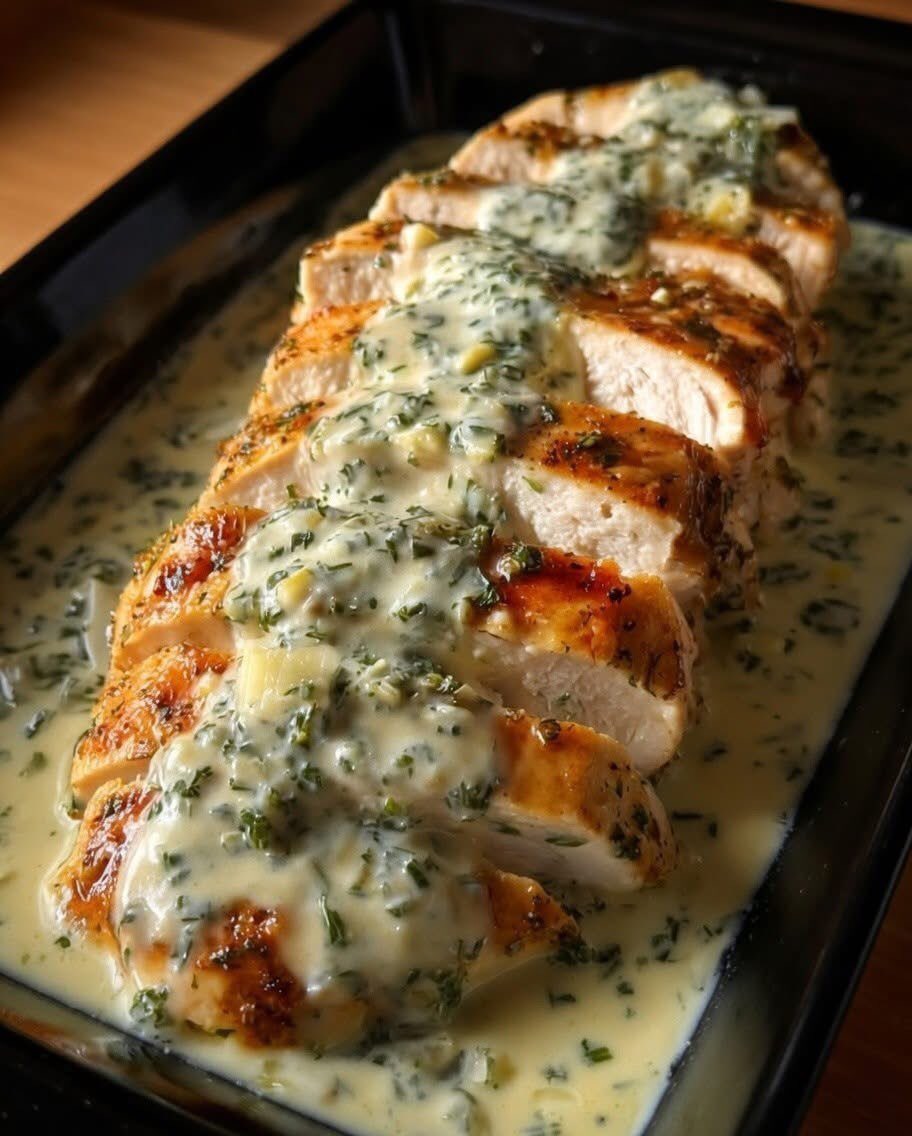
Creamy Lemon Chicken: A Complete, Restaurant-Quality Recipe Guide
Creamy Lemon Chicken is one of those timeless dishes that effortlessly balances richness with brightness. The combination of tender, golden-seared chicken and a silky, citrus-infused cream sauce creates a meal that feels both comforting and elegant. It is simple enough for a weeknight dinner, yet refined enough to serve to guests.
This guide will walk you through everything you need to know to create the perfect creamy lemon chicken, from selecting ingredients to mastering technique, along with tips, variations, and serving suggestions. By the end, you will have a reliable, go-to recipe that delivers consistent, flavorful results.
Why This Recipe Works
The beauty of creamy lemon chicken lies in contrast. The richness of cream and butter is balanced by the acidity of fresh lemon juice. Garlic adds depth, while herbs bring freshness. When done correctly, the sauce is smooth and luxurious, not heavy or overpowering.
Equally important is the technique used to cook the chicken. A proper sear locks in moisture and creates a flavorful crust, which also contributes to the sauce later when the pan is deglazed.
Ingredients
For the Chicken
- 4 boneless, skinless chicken breasts
- 1 teaspoon salt
- ½ teaspoon black pepper
- ½ teaspoon paprika (optional, for color and mild flavor)
- 2 tablespoons olive oil or butter
For the Sauce
- 2 tablespoons butter
- 4 cloves garlic, minced
- 1 cup heavy cream (or substitute with half cream and half chicken broth for a lighter version)
- ½ cup chicken broth
- 2–3 tablespoons freshly squeezed lemon juice
- 1 teaspoon lemon zest
- ¼ cup chopped fresh parsley or chives
- Salt and pepper to taste
Optional additions:
- ¼ cup grated Parmesan cheese (for a richer sauce)
- 1 teaspoon Dijon mustard (for depth and slight tang)
Equipment Needed
- Large skillet or frying pan (preferably stainless steel or cast iron)
- Tongs
- Sharp knife
- Cutting board
- Measuring cups and spoons
Step-by-Step Instructions
Step 1: Prepare the Chicken
Start by patting the chicken breasts dry using paper towels. This is a crucial step that helps achieve a proper sear. Excess moisture prevents browning and leads to steaming instead of searing.
If the chicken breasts are thick, consider slicing them horizontally into thinner cutlets. This ensures even cooking and reduces cooking time.
Season both sides generously with salt, pepper, and paprika. Let the chicken sit at room temperature for about 10–15 minutes before cooking. This helps it cook more evenly.
Step 2: Sear the Chicken
Heat a large skillet over medium-high heat. Add olive oil or butter and allow it to become hot but not smoking.
Place the chicken breasts into the pan without overcrowding. Cook for about 4–5 minutes on one side without moving them. This allows a golden crust to form.
Flip the chicken and cook for another 4–5 minutes on the other side until fully cooked through. The internal temperature should reach 74°C (165°F).
Once done, remove the chicken from the pan and set it aside on a plate. Do not clean the pan—those browned bits left behind are essential for flavor.
Step 3: Build the Flavor Base
Reduce the heat to medium. Add butter to the same pan. Once melted, add the minced garlic.
Sauté the garlic for about 30 seconds to 1 minute, just until fragrant. Be careful not to burn it, as burnt garlic will give the sauce a bitter taste.
Step 4: Deglaze the Pan
Pour in the chicken broth and use a wooden spoon to scrape up the browned bits from the bottom of the pan. This process, known as deglazing, incorporates deep, savory flavors into the sauce.
Allow the broth to simmer for 2–3 minutes, reducing slightly.
Step 5: Create the Creamy Sauce
Lower the heat to medium-low and add the heavy cream. Stir gently to combine.
Add lemon juice and lemon zest. Start with a smaller amount of lemon juice and adjust later to taste. Too much at once can overpower the dish.
Let the sauce simmer gently for 4–5 minutes until it begins to thicken. Stir occasionally to prevent sticking.
If using Parmesan cheese or Dijon mustard, add them at this stage and stir until fully incorporated.
Step 6: Return the Chicken
Place the seared chicken back into the pan, along with any juices that have collected on the plate.
Spoon the sauce over the chicken and let everything simmer together for another 5 minutes. This allows the chicken to absorb the flavors of the sauce.
Step 7: Finish with Herbs
Turn off the heat and sprinkle freshly chopped parsley or chives over the dish.
Taste the sauce and adjust seasoning with salt and pepper if needed. If you prefer a stronger lemon flavor, add a small extra squeeze of lemon juice.
Tips for Success
1. Use Fresh Lemon Juice
Freshly squeezed lemon juice provides a brighter, cleaner flavor compared to bottled versions.
2. Control the Heat
Avoid boiling the cream sauce. High heat can cause it to separate or become grainy.
3. Don’t Overcook the Chicken
Chicken breasts can dry out quickly. Using a thermometer ensures perfectly cooked, juicy meat.
4. Balance the Flavors
Taste as you go. The goal is a balance between creamy, savory, and tangy—not one overpowering the others.
Variations
1. Lighter Version
Replace half or all of the heavy cream with chicken broth or a mixture of milk and a small amount of flour slurry to maintain thickness.
2. Garlic Lovers Version
Increase the garlic to 6–8 cloves for a more robust flavor.
3. Herb-Infused Version
Add thyme, rosemary, or basil for additional depth.
4. Spicy Twist
Include a pinch of red pepper flakes for a subtle heat that complements the creaminess.
5. Mushroom Addition
Sauté sliced mushrooms after cooking the chicken and before adding garlic. This adds an earthy dimension to the dish.
Serving Suggestions
Creamy lemon chicken pairs beautifully with a variety of sides:
- Pasta: Serve over fettuccine, linguine, or spaghetti to soak up the sauce.
- Rice: A simple bed of white or brown rice works well.
- Mashed potatoes: The creamy texture complements the sauce perfectly.
- Steamed vegetables: Broccoli, green beans, or asparagus add freshness.
- Crusty bread: Ideal for dipping into the sauce.
Storage and Reheating
Storage
Allow the dish to cool completely before storing. Place in an airtight container and refrigerate for up to 3 days.
Reheating
Reheat gently on the stovetop over low heat. Add a splash of broth or cream to loosen the sauce if it has thickened too much.
Avoid microwaving at high power, as it can cause the sauce to separate.
Common Mistakes to Avoid
- Skipping the sear: This step builds essential flavor.
- Adding lemon too early: It can curdle the cream if added before the sauce stabilizes.
- Overcrowding the pan: This prevents proper browning.
- Using cold chicken: It cooks unevenly and can become tough.
Nutritional Overview (Approximate per serving)
- Calories: 400–500
- Protein: 35–40g
- Fat: 25–30g
- Carbohydrates: 5–8g
These values vary depending on ingredient choices and portion sizes.
Final Thoughts
Creamy lemon chicken is a perfect example of how simple ingredients can create something truly special. The key lies in technique—properly searing the chicken, building a balanced sauce, and finishing with fresh elements that brighten the dish.
Once you master this recipe, it becomes incredibly versatile. You can adapt it to your taste, make it lighter or richer, and pair it with a wide range of sides. It is the kind of dish that earns a permanent place in your cooking repertoire.
Whether you are preparing a quick family dinner or hosting guests, this creamy lemon chicken delivers both comfort and sophistication in every bite.