
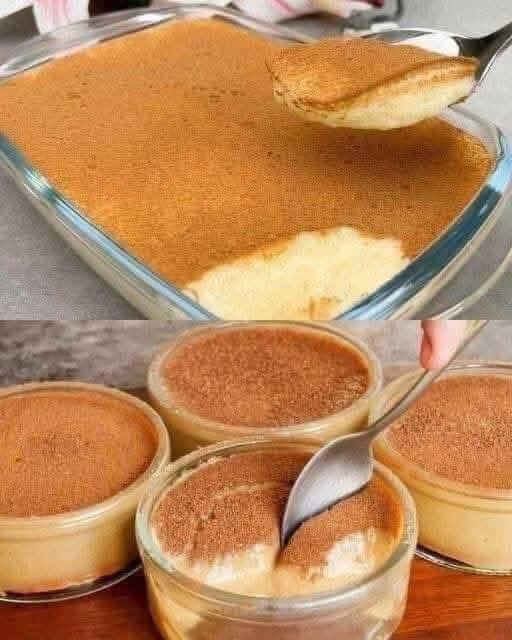
Creamy Milk & Cinnamon Pudding
A Silky, Comforting Dessert with Warm Spice and Classic Flavor
Introduction
Creamy Milk & Cinnamon Pudding is a timeless dessert that blends simplicity with elegance. Made from everyday ingredients like milk, eggs, and sweetened condensed milk, this pudding transforms humble components into a rich and satisfying treat. The addition of cinnamon introduces a warm, aromatic note that enhances the natural sweetness and creates a comforting flavor profile that appeals to all ages.
This dessert is popular across many cultures in different forms—sometimes resembling custard, flan, or baked pudding. What makes this version unique is its ultra-creamy texture, achieved through the combination of whole milk and condensed milk, along with the gentle structure provided by eggs. The result is a smooth, delicate pudding that melts in your mouth while still holding its shape beautifully when sliced or scooped.
Whether you are preparing a dessert for a family gathering, a festive occasion, or simply craving something homemade and soothing, this Creamy Milk & Cinnamon Pudding is a perfect choice. In this comprehensive guide, you will learn not only how to make it step by step, but also how to perfect the texture, avoid common mistakes, and customize the recipe to suit your preferences.
Ingredients
Main Ingredients
- 1 can (397g) sweetened condensed milk
- 4 large eggs, separated into yolks and whites
- 500 ml whole milk
Optional Flavor Enhancers
- 1 teaspoon vanilla extract
- 1 to 2 teaspoons ground cinnamon (plus extra for garnish)
- Pinch of salt
Optional Toppings
- Ground cinnamon for dusting
- Caramel sauce
- Fresh fruit such as berries or sliced bananas
- Whipped cream
Understanding the Ingredients
To achieve the best results, it is important to understand how each ingredient contributes to the final dessert.
Sweetened Condensed Milk
This ingredient provides both sweetness and creaminess. Because it is concentrated milk with added sugar, it thickens the pudding and enhances its richness without requiring additional sweeteners.
Eggs
Eggs are essential for structure. The yolks contribute to the creamy, custard-like texture, while the whites help the pudding set firmly. Separating them allows for more control over texture, especially if you choose to whip the whites for a lighter consistency.
Whole Milk
Whole milk balances the richness of the condensed milk and ensures the pudding is not overly dense. Its fat content contributes to a smooth and velvety mouthfeel.
Cinnamon
Cinnamon adds warmth and depth. It complements the dairy flavors and provides a subtle spice that elevates the dessert.
Equipment Needed
- Mixing bowls
- Whisk or electric mixer
- Saucepan (optional, for warming milk)
- Baking dish or ramekins
- Larger pan for water bath (bain-marie)
- Oven
Step-by-Step Instructions
Step 1: Preparing the Oven and Water Bath
Preheat your oven to 160°C (320°F). This relatively low temperature ensures gentle cooking, which is key to achieving a smooth, creamy texture.
Prepare a water bath by placing a large baking tray or roasting pan in the oven. This will later hold the pudding dish and hot water, creating a humid environment that prevents the pudding from drying out or cracking.
Step 2: Separating the Eggs
Carefully separate the egg yolks from the whites. Place them in two different bowls.
The yolks will be used to create the rich custard base, while the whites can be whipped separately if you prefer a lighter texture. If you want a denser, more traditional pudding, you can simply mix the whites without whipping.
Step 3: Mixing the Base
In a large mixing bowl, combine the egg yolks and sweetened condensed milk. Whisk until the mixture is smooth and fully blended.
Gradually add the whole milk while continuing to whisk. This helps create a uniform consistency and prevents lumps.
Add the cinnamon and vanilla extract if using. A pinch of salt can also be added to balance the sweetness.
Step 4: Preparing the Egg Whites
If you prefer a lighter pudding, beat the egg whites until soft peaks form. This introduces air into the mixture, resulting in a slightly fluffier texture.
Gently fold the whipped egg whites into the milk mixture using a spatula. Take care not to overmix, as this can deflate the air and reduce the lightness.
If you prefer a denser pudding, simply whisk the egg whites lightly and combine them directly with the mixture.
Step 5: Assembling the Pudding
Pour the mixture into a greased baking dish or individual ramekins. For an extra-smooth texture, you can strain the mixture through a fine sieve before pouring it into the dish. This removes any egg strands or bubbles.
Place the dish inside the larger pan prepared earlier. Carefully pour hot water into the outer pan until it reaches about halfway up the sides of the pudding dish.
Step 6: Baking
Bake the pudding for 50 to 60 minutes. The exact time will depend on the size and depth of your dish.
The pudding is done when the edges are set but the center still has a slight jiggle. A knife inserted near the center should come out mostly clean.
Avoid overbaking, as this can cause the pudding to become rubbery.
Step 7: Cooling
Remove the pudding from the water bath and allow it to cool at room temperature. This gradual cooling helps maintain a smooth texture.
Once cooled, transfer the pudding to the refrigerator and chill for at least 4 hours, or preferably overnight. Chilling allows the flavors to develop and the texture to fully set.
Serving Suggestions
Before serving, dust the top with ground cinnamon for a classic finish. You can also drizzle caramel sauce over the pudding or add fresh fruit for contrast.
This pudding can be served directly from the dish or unmolded onto a serving plate if baked in a mold. To unmold, run a knife around the edges and invert onto a plate.
Tips for Perfect Results
Use Gentle Heat
Baking at a low temperature and using a water bath prevents curdling and ensures even cooking.
Strain the Mixture
Straining removes air bubbles and results in a smoother texture.
Do Not Overmix
Overmixing can incorporate too much air, leading to cracks or an uneven texture.
Monitor Baking Time
Check the pudding regularly toward the end of baking to avoid overcooking.
Variations
This recipe is versatile and can be adapted in many ways:
Caramel Milk Pudding
Add a layer of caramel at the bottom of the dish before pouring in the mixture.
Coconut Cinnamon Pudding
Replace part of the whole milk with coconut milk for a tropical twist.
Coffee-Flavored Pudding
Dissolve a teaspoon of instant coffee in the milk before mixing.
Spiced Version
Add nutmeg or cardamom along with cinnamon for a more complex flavor.
Storage Instructions
Store the pudding in the refrigerator, covered, for up to 4 days. Ensure it is kept airtight to prevent it from absorbing other flavors.
This pudding is not ideal for freezing, as the texture may change upon thawing.
Nutritional Overview
Creamy Milk & Cinnamon Pudding is a rich dessert that should be enjoyed in moderation. It provides protein from eggs and calcium from milk, but it is also high in sugar due to the condensed milk.
For a lighter version, you can:
- Use low-fat milk
- Reduce the amount of condensed milk slightly
- Serve smaller portions
Why This Recipe Works
The success of this pudding lies in its balance. The condensed milk provides sweetness and density, while the whole milk lightens the mixture. Eggs create structure without making the pudding too firm, and cinnamon enhances the overall flavor without overpowering it.
The use of a water bath ensures even cooking and prevents the proteins in the eggs from coagulating too quickly, which would result in a grainy texture.
Common Mistakes to Avoid
Skipping the Water Bath
This can lead to uneven cooking and a curdled texture.
Overbaking
Results in a dry, rubbery pudding.
Using Cold Ingredients
Room temperature ingredients blend more smoothly.
Not Draining Excess Foam
Too many bubbles can affect the final appearance and texture.
Conclusion
Creamy Milk & Cinnamon Pudding is a dessert that proves simplicity can be truly satisfying. With just a handful of ingredients and a careful baking process, you can create a dish that is rich, smooth, and full of comforting flavor.
Its versatility makes it suitable for any occasion, from casual family meals to elegant gatherings. By following this detailed guide, you will be able to prepare a pudding that not only tastes delicious but also has a professional-quality texture and presentation.
Whether enjoyed on its own or enhanced with toppings and variations, this pudding is sure to become a favorite in your recipe collection.