
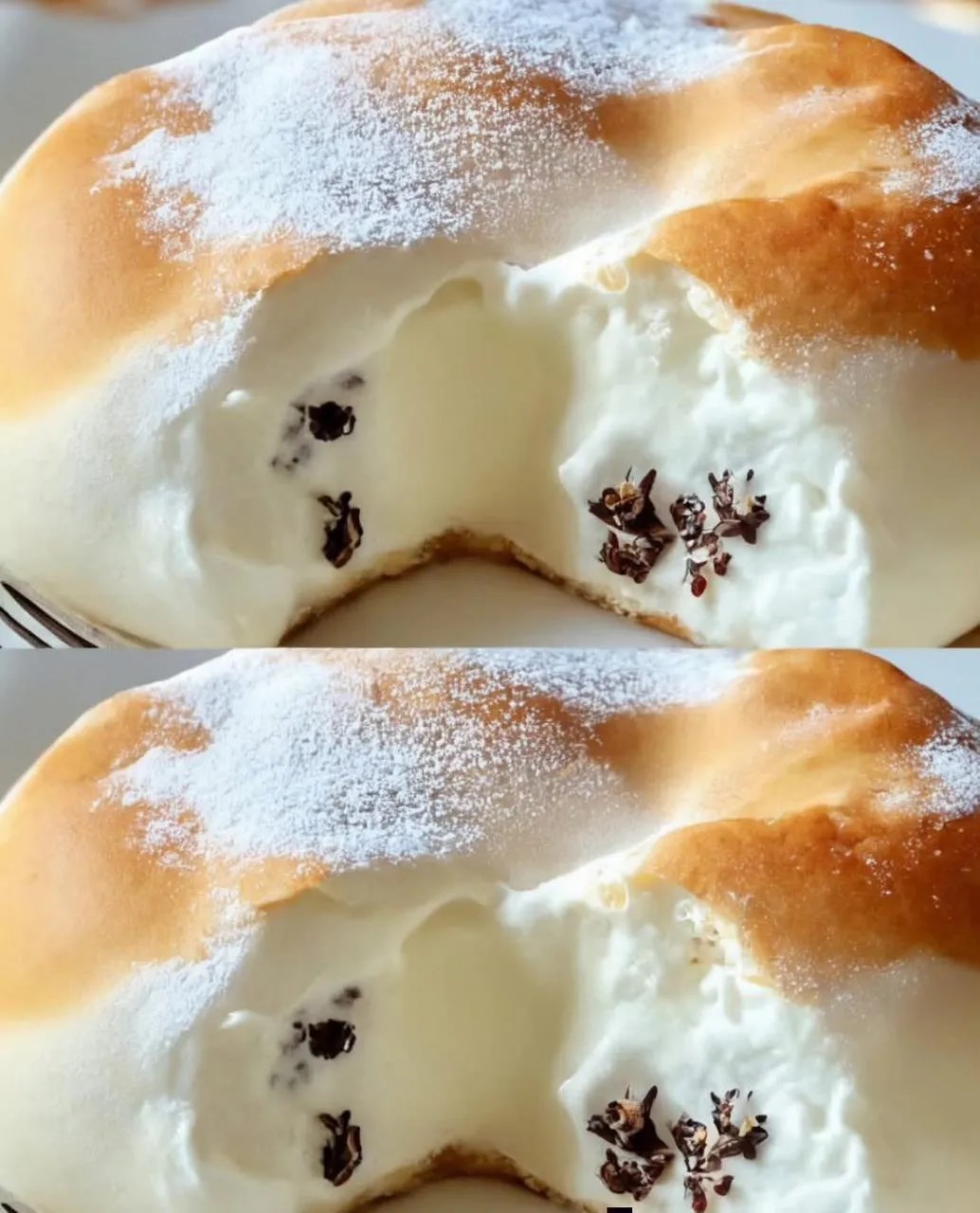
Egg Yogurt Cake Bread
A Simple, Moist, and Versatile Homemade Cake
There is something deeply comforting about simple baking. A handful of basic ingredients, a single bowl, and a warm oven are often all you need to create something truly satisfying. This Egg Yogurt Cake Bread is a perfect example of that philosophy. Made with everyday pantry staples—eggs, Greek yogurt, flour, sugar, and baking powder—this recipe delivers a soft, moist cake with a tender crumb and a lightly sweet flavor that works for almost any occasion.
Whether you enjoy it as a breakfast slice with coffee, an afternoon snack, or a simple dessert, this cake bread fits effortlessly into daily life. It is not overly rich, not overly sweet, and endlessly adaptable. Add chocolate flakes, raisins, or nuts for texture, or enjoy it plain to appreciate its delicate yogurt-based flavor.
This recipe is especially ideal for beginner bakers, busy home cooks, or anyone looking for a reliable “go-to” cake that doesn’t require complicated techniques or special equipment. The Greek yogurt keeps the cake moist without the need for butter or oil, while the eggs provide structure and richness. The result is a loaf-style cake that feels wholesome yet indulgent.
In this article, you will find everything you need to know to make the perfect Egg Yogurt Cake Bread—from ingredient explanations and step-by-step instructions to variations, troubleshooting tips, storage advice, and serving ideas.
Why This Recipe Works
This cake bread succeeds because of its balance and simplicity. Each ingredient plays an important role, and none are wasted or unnecessary.
- Eggs provide structure, richness, and stability.
- Greek yogurt adds moisture, tenderness, and a subtle tang.
- Flour creates the framework of the cake.
- Sugar sweetens and helps with browning.
- Baking powder ensures a good rise and light texture.
- Chocolate flakes or raisins add interest, flavor, and texture.
Because there is no butter or oil, the cake feels lighter than traditional pound cakes, yet it remains soft and satisfying. The yogurt compensates for the fat content, making the cake moist even after several days.
Ingredients
Main Ingredients
- 2 large eggs, at room temperature
Eggs bind the ingredients together and help the cake rise properly. Room-temperature eggs mix more evenly into the batter. - 150 grams plain Greek yogurt
Use full-fat or low-fat Greek yogurt, depending on your preference. Full-fat yogurt will give a richer texture, while low-fat still produces excellent results. - 150 grams all-purpose flour
Standard all-purpose flour works best. If measuring by cups, be sure to spoon and level the flour to avoid packing too much into the measure. - 100 grams granulated sugar
This provides a gentle sweetness. You can slightly reduce the sugar if you prefer a less sweet cake. - 1 sachet baking powder (approximately 11 grams)
Baking powder is essential for lift and a fluffy crumb. - Chocolate flakes or raisins (to taste)
These are optional but recommended for added flavor and texture.
Optional Add-Ins and Flavorings
- Vanilla extract
- Lemon or orange zest
- Cinnamon or nutmeg
- Chopped nuts
- Dried cranberries or dates
Equipment Needed
- Mixing bowl
- Whisk or hand mixer
- Rubber spatula
- Measuring scale or cups
- Loaf pan or round cake pan
- Parchment paper (optional)
- Oven
No stand mixer or special tools are required, making this recipe accessible to everyone.
Step-by-Step Instructions
Step 1: Prepare the Oven and Pan
Preheat your oven to 170–180°C (340–355°F), depending on your oven’s strength. Lightly grease your loaf pan or line it with parchment paper to prevent sticking. This step ensures easy removal after baking.
Step 2: Mix the Eggs and Sugar
In a large mixing bowl, crack the eggs and add the sugar. Whisk well until the mixture becomes pale and slightly thickened. This step helps dissolve the sugar and incorporates air, which contributes to a lighter cake texture.
You do not need to beat the eggs aggressively, but make sure the mixture looks smooth and well combined.
Step 3: Add the Greek Yogurt
Add the Greek yogurt to the egg and sugar mixture. Whisk until fully incorporated and smooth. At this stage, the batter should be creamy and uniform, with no visible streaks of yogurt.
If you are using vanilla extract or citrus zest, add it at this point.
Step 4: Combine the Dry Ingredients
In a separate bowl, sift together the flour and baking powder. Sifting helps prevent lumps and ensures the baking powder is evenly distributed throughout the flour.
Step 5: Incorporate the Dry Ingredients
Gradually add the flour mixture to the wet ingredients. Use a whisk or spatula and mix gently. Avoid overmixing, as this can make the cake dense.
Mix just until no dry flour remains. The batter should be thick but smooth and pourable.
Step 6: Fold in the Add-Ins
Gently fold in the chocolate flakes, raisins, or any other add-ins you are using. If using raisins, you can lightly coat them in flour before adding to prevent them from sinking to the bottom of the cake.
Step 7: Transfer to the Pan
Pour the batter into the prepared pan and smooth the top with a spatula. Tap the pan gently on the counter to release any air bubbles.
Step 8: Bake
Place the pan in the preheated oven and bake for 40–50 minutes. Baking time may vary depending on your oven and pan size.
The cake is done when:
- The top is lightly golden
- A toothpick inserted into the center comes out clean or with a few moist crumbs
- The cake springs back lightly when pressed
Step 9: Cool
Remove the cake from the oven and allow it to cool in the pan for about 10 minutes. Then transfer it to a wire rack to cool completely before slicing.
Cooling helps the structure set and makes slicing easier.
Texture and Flavor Profile
This Egg Yogurt Cake Bread has a soft, tender crumb with a slightly dense but pleasant structure. The Greek yogurt gives it a mild tang that balances the sweetness, while the eggs contribute richness without heaviness.
The flavor is neutral enough to pair with many additions, yet satisfying on its own. It is not overly sweet, making it suitable for breakfast or snack time.
Variations and Customizations
Lemon Yogurt Cake Bread
Add the zest of one lemon and a tablespoon of lemon juice to the batter for a bright, refreshing flavor.
Chocolate Yogurt Cake
Replace 20 grams of flour with cocoa powder and add chocolate chips instead of flakes.
Cinnamon Raisin Cake Bread
Add one teaspoon of cinnamon and use raisins for a warm, comforting version.
Nut Yogurt Cake
Fold in chopped walnuts, almonds, or hazelnuts for added crunch.
Healthier Adjustments
- Reduce sugar to 70–80 grams for a less sweet cake.
- Use whole wheat flour for added fiber (expect a slightly denser texture).
- Replace half the sugar with honey or maple syrup, adjusting consistency as needed.
Common Mistakes and How to Avoid Them
Overmixing the Batter
Overmixing develops gluten, leading to a tough cake. Mix gently and stop as soon as ingredients are combined.
Incorrect Oven Temperature
An oven that is too hot can cause the cake to rise too quickly and collapse. Always preheat properly and avoid opening the oven door too early.
Using Cold Ingredients
Cold eggs or yogurt can affect the batter’s consistency. Let them come to room temperature before mixing.
Skipping the Baking Powder Check
Make sure your baking powder is fresh. Expired baking powder will result in a flat cake.
Storage and Shelf Life
- At room temperature: Store in an airtight container for up to 2 days.
- In the refrigerator: Keeps well for up to 5 days. Bring to room temperature before serving.
- Freezing: Wrap slices individually and freeze for up to 2 months. Thaw at room temperature or warm slightly before serving.
Serving Suggestions
- Serve plain with coffee or tea
- Spread with honey, jam, or nut butter
- Dust lightly with powdered sugar
- Pair with fresh fruit and yogurt for breakfast
- Warm slightly and serve with a spoon of Greek yogurt
Frequently Asked Questions
Can I make this cake without sugar?
Sugar plays an important role in texture and moisture. You can reduce it, but removing it entirely will significantly change the result.
Can I use regular yogurt instead of Greek yogurt?
Yes, but the cake may be slightly less rich. If using regular yogurt, reduce the quantity slightly to avoid excess moisture.
Can this recipe be made gluten-free?
You can use a gluten-free all-purpose flour blend, but results may vary depending on the brand.
Can I bake this in a round pan?
Yes. Adjust baking time slightly and check for doneness with a toothpick.
Final Thoughts
This Egg Yogurt Cake Bread is proof that simple recipes can be deeply satisfying. With minimal ingredients and effort, you can create a homemade cake that feels comforting, versatile, and reliable. It’s the kind of recipe you’ll return to again and again, adapting it to the seasons, your pantry, and your personal taste.
Whether you’re baking for yourself, your family, or guests, this cake bread offers a perfect balance of ease and quality. Once you try it, it’s likely to become a staple in your kitchen.