
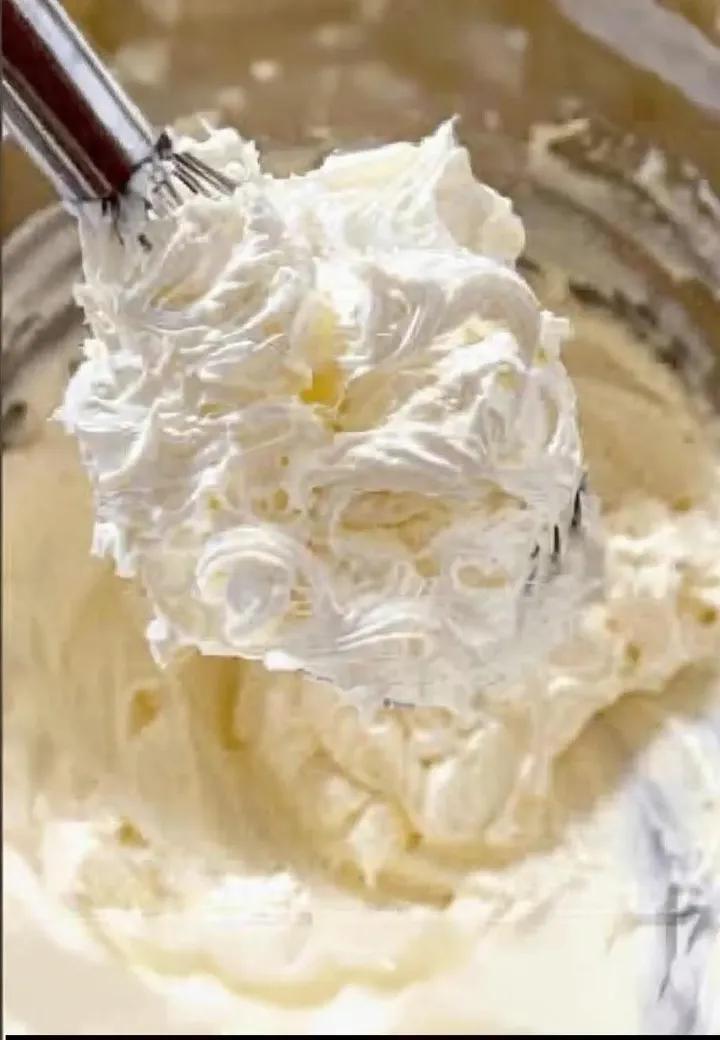
Ermine Frosting (The Legendary $300 Frosting Recipe)
Some recipes don’t just survive the test of time—they quietly become legends. Ermine frosting is one of those rare creations. Often whispered about as the frosting that once sold for hundreds of dollars, this silky, cloud-like topping has adorned classic cakes for over a century. One taste explains everything. Light yet rich, smooth without being greasy, and sweet without overwhelming, ermine frosting is what many bakers consider the perfect balance between buttercream and whipped cream.
Unlike traditional American buttercream, which relies heavily on powdered sugar and can feel dense or overly sweet, ermine frosting uses a cooked flour-and-milk base. This method creates a uniquely smooth texture that melts on the tongue and complements cakes rather than overpowering them. It spreads effortlessly, pipes beautifully, and holds its shape while remaining soft and luxurious.
If you’ve ever wished for a frosting that tastes like something straight from a high-end bakery—but made with simple pantry ingredients—this is the one. Whether you’re frosting a classic red velvet cake, a tender vanilla sponge, or rich chocolate layers, ermine frosting elevates the entire dessert.
What Is Ermine Frosting?
Ermine frosting, sometimes called flour frosting, boiled milk frosting, or heritage frosting, dates back to the early 1900s. It was especially popular before powdered sugar became widely available. Bakers discovered that cooking flour with milk created a thick, pudding-like base that, when whipped into butter and sugar, resulted in an incredibly smooth and stable frosting.
This technique produces a frosting that is lighter than buttercream but more structured than whipped cream. It is less sweet than most modern frostings, making it ideal for those who appreciate balance and subtlety in desserts.
The name “ermine” is believed to come from its smooth, velvety texture, reminiscent of fine ermine fur once associated with luxury and royalty. That association fits perfectly, as this frosting truly feels refined and elegant.
Why This Frosting Was Worth $300
At first glance, the ingredient list looks simple—almost too simple. Milk, flour, butter, sugar, and vanilla don’t scream luxury. But the magic lies in the method.
The cooked milk base eliminates grittiness and allows the sugar to dissolve completely into the butter. The result is a frosting that feels impossibly smooth, with a delicate sweetness and a light, airy structure. It coats cakes in a flawless layer, making even homemade desserts look professionally finished.
Bakeries prized this frosting not only for its taste but for its versatility. It works in warm kitchens better than whipped cream, doesn’t crust like buttercream, and remains silky for hours. Once you master it, you’ll understand why it was considered so valuable.
Ingredients and Their Purpose
Milk (1 cup)
Milk forms the foundation of the cooked base. Whole milk is recommended for richness, but 2% milk also works. The milk hydrates the flour and creates the smooth paste that gives this frosting its signature texture.
All-Purpose Flour (5 tablespoons)
The flour thickens the milk when cooked, creating a pudding-like consistency. This structure is what allows the frosting to be light yet stable once whipped with butter.
Butter (1 cup, softened)
Butter provides richness, flavor, and structure. It must be fully softened—not melted—to properly incorporate air during whipping.
Granulated Sugar (1 cup)
Unlike most frostings, ermine uses granulated sugar instead of powdered sugar. Because the sugar dissolves into the butter during whipping, the frosting remains smooth and never gritty.
Vanilla Extract (1 teaspoon)
Vanilla adds warmth and depth. High-quality vanilla extract makes a noticeable difference in such a simple recipe.
Step-by-Step Instructions with Detailed Guidance
Step 1: Make the Milk and Flour Base
In a medium saucepan, whisk together the milk and flour until completely smooth. It’s important to eliminate all lumps before heating.
Place the saucepan over medium heat and cook the mixture, stirring constantly with a whisk or silicone spatula. As the mixture heats, it will begin to thicken. Continue cooking until it reaches a thick, pudding-like consistency, similar to pastry cream.
This usually takes about 5–7 minutes. The mixture should hold its shape briefly when lifted with a spoon.
Remove from heat and transfer the mixture to a bowl. Cover it directly with plastic wrap, pressing the wrap against the surface to prevent a skin from forming. Allow it to cool completely to room temperature. This step is critical—if the base is even slightly warm, it will melt the butter later and ruin the frosting.
Step 2: Whip the Butter and Sugar
In a large mixing bowl, beat the softened butter using a stand mixer or hand mixer on medium-high speed. Gradually add the granulated sugar.
Continue beating for several minutes, until the mixture becomes pale, fluffy, and noticeably lighter in texture. The sugar will dissolve into the butter during this process.
This step is essential for achieving a smooth frosting. Proper whipping incorporates air and ensures the sugar fully dissolves, preventing graininess.
Step 3: Incorporate the Cooled Milk Base
Once the flour-milk mixture is completely cool, begin adding it to the butter mixture one spoonful at a time, beating well after each addition.
As the base incorporates, the frosting will begin to transform. What starts as a loose mixture will quickly become creamy, thick, and smooth.
After all the base is added, continue beating for several more minutes until the frosting is light, silky, and holds soft peaks.
Step 4: Add Vanilla and Final Whip
Add the vanilla extract and beat for another 30–60 seconds to fully incorporate.
At this point, the frosting should be glossy, smooth, and easy to spread. If it seems too soft, refrigerate briefly and re-whip. If it seems too firm, let it sit at room temperature for a few minutes and beat again.
Texture, Flavor, and Appearance
Ermine frosting has a uniquely luxurious mouthfeel. It’s not heavy or greasy, and it doesn’t leave a sugary coating on the tongue. Instead, it melts softly, enhancing the flavor of the cake beneath it.
Visually, it spreads like a dream. It creates smooth finishes, elegant swirls, and clean edges. While it doesn’t crust like American buttercream, it holds its shape beautifully once set.
Best Cakes to Pair with Ermine Frosting
This frosting shines when paired with classic, tender cakes. Some ideal matches include:
Red velvet cake
Vanilla layer cake
Chocolate cake
Spice cake
Carrot cake
Yellow cake with fruit fillings
Because it’s not overly sweet, it works especially well with richer cakes or those with added fillings like fruit preserves or curds.
Flavor Variations
Once you’ve mastered the classic version, ermine frosting can be customized easily.
Chocolate Ermine Frosting
Melt and cool dark chocolate, then beat it into the finished frosting.
Citrus Ermine Frosting
Add finely grated lemon or orange zest and a small amount of juice for brightness.
Coffee Ermine Frosting
Dissolve instant espresso powder in a teaspoon of milk and beat it in for a subtle coffee flavor.
Almond or Coconut
Replace vanilla with almond extract or add coconut extract for a bakery-style twist.
Storage and Make-Ahead Tips
Ermine frosting can be made up to two days in advance. Store it in an airtight container in the refrigerator. Before using, allow it to come to room temperature and re-whip briefly to restore its texture.
Once applied to a cake, the frosted cake can be stored at room temperature for several hours or refrigerated for longer storage. Because of its butter content, it firms slightly when cold and softens again at room temperature.
Common Mistakes and How to Avoid Them
Not cooling the milk base completely
This is the most common issue. Always ensure the base is fully cooled before adding it to the butter.
Using butter that is too cold or too warm
Butter should be soft enough to press with a finger but not shiny or melted.
Rushing the whipping process
Proper whipping dissolves the sugar and creates the smooth texture that defines this frosting.
Why Ermine Frosting Still Belongs in Modern Baking
In an era of ultra-sweet frostings and elaborate decorations, ermine frosting stands out for its elegance and restraint. It proves that simple ingredients, handled correctly, can produce extraordinary results.
This frosting doesn’t compete with the cake—it complements it. It allows flavors to shine while adding a luxurious finish that feels professional and refined.
Once you try it, you may find yourself reaching for this recipe again and again, especially when you want a frosting that feels special without being overwhelming.
Final Thoughts
Ermine frosting is more than just a recipe—it’s a technique, a tradition, and a reminder that great baking doesn’t always require complexity. With just a handful of everyday ingredients and a little patience, you can create a frosting that rivals anything from a high-end bakery.