
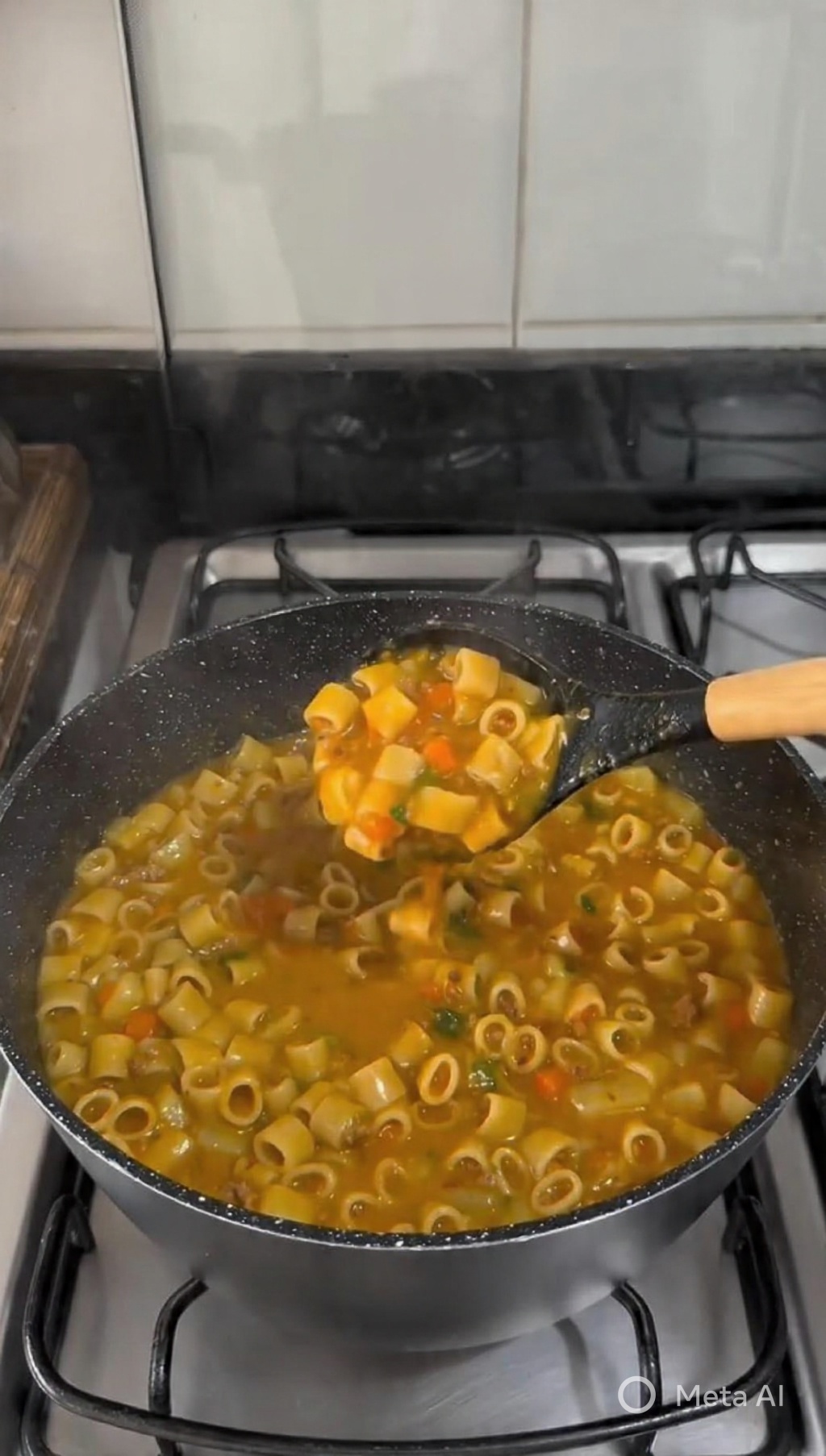
Hearty Vegetable Pasta Soup (Comforting One-Pot Recipe)
There are few dishes as comforting, nourishing, and universally loved as a warm bowl of vegetable pasta soup. Simple yet deeply satisfying, this dish combines tender pasta, vibrant vegetables, and a flavorful broth into a meal that feels both rustic and wholesome. It is the kind of recipe that works year-round but becomes especially irresistible during cold or rainy days when all you crave is something warm, filling, and soothing.
This vegetable pasta soup is inspired by classic homestyle cooking, where pantry staples and fresh ingredients come together effortlessly. It is versatile, budget-friendly, and easy to adapt based on what you have available. Whether you are cooking for your family, meal-prepping for the week, or simply craving a cozy dish, this recipe delivers both flavor and comfort in every spoonful.
Why You’ll Love This Recipe
This soup stands out for several reasons:
First, it is incredibly easy to make. Everything cooks in one pot, which means less cleanup and a straightforward cooking process.
Second, it is highly customizable. You can use any vegetables you have on hand, switch up the pasta shape, or adjust the seasoning to your taste.
Third, it is nutritious and balanced. With vegetables, carbohydrates, and broth, it provides a satisfying meal that is both light and filling.
Finally, it is perfect for leftovers. The flavors deepen over time, making it even more delicious the next day.
Ingredients
Below is a detailed list of ingredients you will need to recreate this comforting vegetable pasta soup.
Base Ingredients
- 2 tablespoons olive oil
- 1 medium onion, finely chopped
- 3 cloves garlic, minced
- 2 medium carrots, diced
- 2 medium potatoes, peeled and cubed
- 1 celery stalk, finely chopped
Vegetables and Add-ins
- 1 cup zucchini, diced
- 1/2 cup green beans, chopped
- 1/2 cup peas (fresh or frozen)
- 1/2 cup corn kernels
- 2 tablespoons fresh parsley, chopped
Pasta
- 1 to 1 1/2 cups small pasta (such as ditalini, small rings, or elbow pasta)
Liquids
- 1 1/2 liters vegetable broth (or water with bouillon)
- 1 cup crushed tomatoes or tomato puree
Seasonings
- 1 teaspoon salt (adjust to taste)
- 1/2 teaspoon black pepper
- 1 teaspoon paprika
- 1/2 teaspoon turmeric (optional, for color and depth)
- 1 teaspoon dried oregano
- 1/2 teaspoon dried thyme
Equipment Needed
- Large pot or deep pan
- Wooden spoon or ladle
- Cutting board and knife
- Measuring cups and spoons
Step-by-Step Instructions
Step 1: Prepare the Ingredients
Begin by washing and chopping all your vegetables. Dice the carrots and potatoes into small, uniform cubes to ensure even cooking. Finely chop the onion and garlic to help them blend smoothly into the base of the soup.
Preparing everything ahead of time makes the cooking process much easier and more enjoyable.
Step 2: Sauté the Aromatics
Heat the olive oil in a large pot over medium heat. Add the chopped onion and cook for about 3 to 4 minutes until it becomes soft and translucent.
Next, add the minced garlic and stir for about 30 seconds until fragrant. Be careful not to burn the garlic, as it can become bitter.
Step 3: Build the Flavor Base
Add the diced carrots, celery, and potatoes to the pot. Stir well to coat the vegetables with the oil and aromatics.
Cook for about 5 minutes, allowing the vegetables to soften slightly and develop flavor. This step helps create a richer and deeper taste in the final soup.
Step 4: Add Liquids and Seasonings
Pour in the vegetable broth and add the crushed tomatoes. Stir everything together until well combined.
Add the salt, black pepper, paprika, turmeric, oregano, and thyme. Stir again to distribute the spices evenly throughout the soup.
Bring the mixture to a gentle boil.
Step 5: Simmer the Soup
Once the soup begins to boil, reduce the heat to medium-low and let it simmer for about 15 minutes.
This allows the vegetables to soften and the flavors to meld together beautifully.
Step 6: Add Remaining Vegetables
Add the zucchini, green beans, peas, and corn to the pot.
Continue simmering for another 10 minutes, or until all the vegetables are tender but still slightly firm.
Step 7: Cook the Pasta
Add the pasta directly into the soup. Stir well to prevent sticking.
Cook according to the pasta package instructions, usually around 8 to 10 minutes, until the pasta is tender.
Keep an eye on the liquid level, as the pasta will absorb some of the broth. Add a little extra water or broth if needed.
Step 8: Final Touches
Taste the soup and adjust the seasoning if necessary. Add more salt, pepper, or herbs according to your preference.
Stir in the chopped parsley for a fresh and vibrant finish.
Step 9: Serve
Ladle the soup into bowls and serve hot.
This dish pairs beautifully with crusty bread, a side salad, or even a sprinkle of grated cheese if desired.
Tips for Best Results
To achieve the best possible flavor and texture, keep the following tips in mind:
Use fresh vegetables whenever possible. They provide better flavor and texture compared to canned or overly processed options.
Do not overcook the pasta. Since it continues to absorb liquid, overcooking can make it too soft.
Adjust the thickness. If you prefer a thicker soup, use less broth. For a lighter consistency, add more liquid.
Add herbs at the end. Fresh herbs like parsley should be added last to preserve their flavor and color.
Variations
One of the best aspects of this recipe is how adaptable it is.
Add Protein
You can add cooked chicken, ground meat, or beans such as chickpeas or white beans for extra protein.
Make It Spicy
Add chili flakes or fresh chili peppers for a spicy kick.
Creamy Version
Stir in a splash of cream or milk at the end for a richer, creamier texture.
Gluten-Free Option
Use gluten-free pasta or replace pasta with rice.
Storage and Reheating
Refrigeration
Store leftovers in an airtight container in the refrigerator for up to 3 days.
Freezing
This soup can be frozen, but it is best to freeze it without the pasta. Add fresh pasta when reheating for the best texture.
Reheating
Reheat on the stove over medium heat, adding a little water or broth to loosen the soup if it has thickened.
Nutritional Benefits
This vegetable pasta soup is packed with nutrients:
Vegetables provide vitamins, minerals, and fiber.
Pasta adds energy through carbohydrates.
Olive oil contributes healthy fats.
It is a balanced dish that supports both comfort and nourishment.
Serving Suggestions
Serve this soup as:
A main dish for lunch or dinner
A starter before a larger meal
A cozy meal during cold weather
Pair it with:
Fresh bread
A simple green salad
Roasted vegetables
Frequently Asked Questions
Can I use different pasta shapes?
Yes, any small pasta works well in this recipe.
Can I make it ahead of time?
Absolutely. Just keep in mind that the pasta will absorb liquid, so you may need to add more broth when reheating.
Can I skip certain vegetables?
Yes, this recipe is flexible. Use what you have available.
Conclusion
This hearty vegetable pasta soup is a perfect example of how simple ingredients can come together to create something truly comforting and delicious. With its rich broth, tender vegetables, and satisfying pasta, it is a dish that brings warmth to both the body and the soul.
Whether you are cooking for yourself or sharing with loved ones, this recipe is sure to become a favorite in your kitchen. It is easy to prepare, adaptable to your preferences, and ideal for any season.
Take your time to enjoy the process of making it, and even more time to savor each spoonful.