
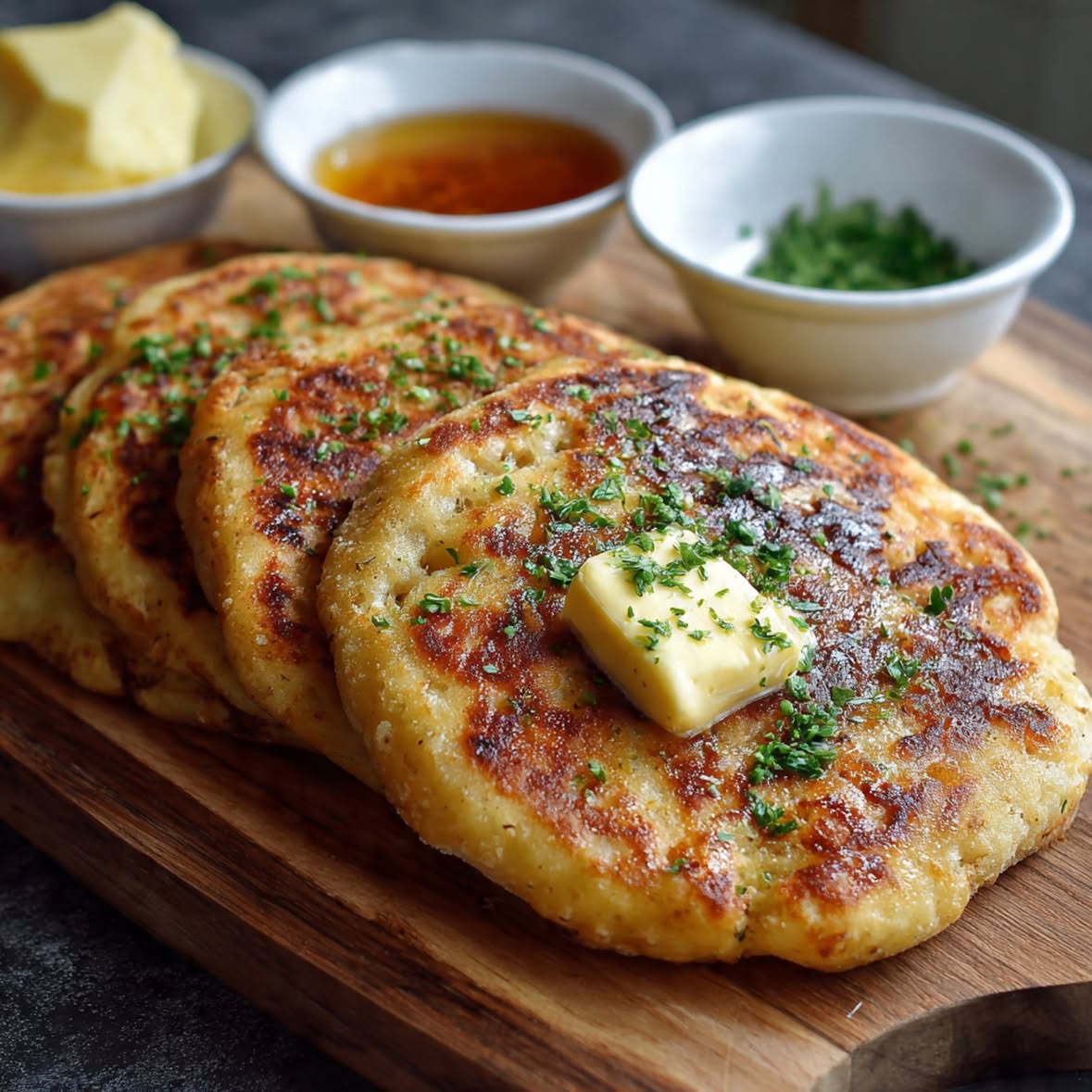
Irish Potato Bread Recipe: A Traditional Comfort Food with Simple Ingredients
Irish Potato Bread, often known as potato farls, is one of the most beloved staples of traditional Irish cooking. Rooted deeply in Ireland’s culinary history, this humble bread represents warmth, resourcefulness, and the beauty of simple ingredients transformed into something deeply satisfying. Made primarily from mashed potatoes and flour, Irish potato bread has been a household favorite for generations, especially in rural kitchens where nothing was wasted and every meal was made with care.
Unlike yeast-based breads that require long rising times, Irish potato bread is quick to prepare and cook, making it ideal for both busy mornings and leisurely weekend meals. Its soft interior, lightly crisp exterior, and comforting flavor make it incredibly versatile. It can be enjoyed warm with butter, served as part of a traditional Irish breakfast, or paired with soups, stews, and savory dishes.
This recipe stays true to classic Irish methods while offering clear guidance and helpful tips to ensure perfect results every time. Whether you are new to Irish cooking or revisiting a childhood favorite, this Irish potato bread recipe is a timeless addition to your kitchen.
A Brief History of Irish Potato Bread
The potato has played a central role in Irish cuisine since its introduction to Ireland in the late 16th century. Over time, it became a dietary cornerstone, particularly among working-class families. Potatoes were affordable, filling, and versatile, leading to the creation of many potato-based dishes that remain popular today.
Irish potato bread emerged as a practical way to use leftover mashed potatoes. Rather than letting food go to waste, cooks combined potatoes with flour and a bit of fat to create a dough that could be cooked quickly on a griddle or skillet. This method required no oven, making it accessible to households with limited equipment.
Traditionally, potato bread was cooked on a hot griddle over an open fire and cut into farls, or triangular pieces, before serving. It was often enjoyed fresh in the morning or alongside a hearty breakfast of eggs, bacon, and sausages.
Today, Irish potato bread remains a symbol of comfort and tradition, cherished both in Ireland and around the world.
Why This Irish Potato Bread Recipe Works
This recipe uses a balanced ratio of mashed potatoes to flour, ensuring a soft, tender bread without being dense or gummy. The addition of butter adds richness, while a small amount of baking powder provides lightness. Milk is used sparingly to bring the dough together, allowing you to control the texture based on the moisture content of your potatoes.
Key reasons this recipe is reliable:
- Uses cooled mashed potatoes for better dough consistency
- Requires no yeast or rising time
- Cooks quickly on a skillet or griddle
- Produces soft, flavorful bread with a lightly crisp exterior
- Adaptable for sweet or savory variations
With just a few ingredients and minimal equipment, this bread delivers maximum flavor and comfort.
Ingredients Overview
Each ingredient in Irish potato bread plays an important role. Understanding their purpose will help you achieve the best possible results.
Mashed Potatoes – 2 Cups (Cooled)
Mashed potatoes form the foundation of this bread. They provide moisture, structure, and a naturally mild flavor. It is important that the potatoes are fully cooled before mixing, as warm potatoes can make the dough sticky and difficult to handle.
Use plain mashed potatoes without added garlic, cheese, or herbs. Potatoes that were boiled and mashed with minimal liquid work best.
All-Purpose Flour – 1.5 Cups
Flour binds the dough and provides structure. All-purpose flour is ideal, as it offers the right balance of protein and softness. Adding too much flour can make the bread tough, so measure carefully.
Butter – 1 Tablespoon (Melted)
Butter adds richness and enhances flavor. Melted butter blends easily into the dough, ensuring even distribution without overworking.
Salt – 0.5 Teaspoon
Salt enhances flavor and balances the mildness of the potatoes. Even a small amount makes a noticeable difference.
Baking Powder – 0.5 Teaspoon
Baking powder provides a gentle lift, keeping the bread light and tender rather than dense.
Milk – 2 to 3 Tablespoons (As Needed)
Milk helps bring the dough together. The exact amount depends on how moist your mashed potatoes are. Add gradually to avoid a sticky dough.
Equipment Needed
You don’t need special tools to make Irish potato bread. Basic kitchen equipment is enough.
- Mixing bowl
- Wooden spoon or spatula
- Measuring cups and spoons
- Clean work surface
- Rolling pin
- Skillet or griddle
- Spatula
A cast-iron skillet works especially well, as it provides even heat and promotes a lightly crisp crust.
Step-by-Step Instructions
Step 1: Prepare the Mashed Potatoes
If you are making mashed potatoes specifically for this recipe, peel and boil potatoes until tender, then mash until smooth. Avoid adding excessive butter or milk. Allow the potatoes to cool completely before using.
Cooled potatoes are essential for proper dough texture and easier handling.
Step 2: Mix the Dry Ingredients
In a large mixing bowl, combine the flour, salt, and baking powder. Stir well to ensure even distribution. This step helps prevent uneven rising and ensures consistent flavor throughout the bread.
Step 3: Add the Mashed Potatoes and Butter
Add the cooled mashed potatoes to the bowl with the dry ingredients. Pour in the melted butter. Using a spoon or spatula, gently mix until the ingredients begin to come together.
At this stage, the mixture will look crumbly and uneven, which is normal.
Step 4: Add Milk Gradually
Add milk one tablespoon at a time, mixing gently after each addition. Stop adding milk as soon as the dough comes together into a soft, cohesive mass.
The dough should be soft but not sticky. If it feels too wet, sprinkle in a small amount of flour.
Step 5: Knead Lightly
Turn the dough out onto a lightly floured surface. Knead gently for about 30–60 seconds, just until smooth. Avoid over-kneading, as this can make the bread tough.
Irish potato bread dough should feel soft and pliable.
Step 6: Shape and Cut the Dough
Pat or roll the dough into a round about ½ inch thick. Using a knife or bench scraper, cut the round into four equal wedges, traditionally known as farls.
This shape allows for even cooking and is characteristic of traditional Irish potato bread.
Step 7: Cook the Bread
Heat a skillet or griddle over medium heat. Lightly grease with butter or oil.
Place the farls in the skillet and cook for about 3–4 minutes per side, or until golden brown and cooked through. Flip carefully to avoid breaking.
The bread should develop a lightly crisp exterior while remaining soft inside.
Step 8: Cool Slightly and Serve
Remove the bread from the skillet and allow it to cool slightly on a rack or plate. Serve warm for the best texture and flavor.
Tips for Perfect Irish Potato Bread
- Always use cooled mashed potatoes
- Add milk gradually to control dough texture
- Avoid over-kneading
- Cook over medium heat to prevent burning
- Serve fresh for best results
These small details make a significant difference in the final bread.
Traditional Ways to Serve Irish Potato Bread
Irish potato bread is incredibly versatile and pairs well with many dishes.
- Spread with butter and serve warm
- Include in a traditional Irish breakfast
- Serve alongside soups or stews
- Use as a base for sandwiches
- Toast leftovers for added crispness
Its mild flavor makes it suitable for both savory and sweet toppings.
Variations and Adaptations
Savory Variations
- Add chopped chives or scallions
- Mix in grated cheese
- Add cracked black pepper or herbs
Sweet Variations
- Add a small amount of sugar
- Serve with jam or honey
- Pair with cinnamon butter
These variations allow you to customize the bread while keeping its traditional foundation.
Storage and Reheating
Refrigeration
Store leftover potato bread in an airtight container in the refrigerator for up to 3 days.
Freezing
Wrap individual pieces tightly and freeze for up to 2 months. Thaw at room temperature before reheating.
Reheating
Reheat in a skillet over low heat or toast lightly to restore texture.
Make-Ahead Tips
You can prepare the dough a few hours ahead and store it covered in the refrigerator. Bring it to room temperature before cooking for best results.
This makes Irish potato bread a convenient option for breakfast or entertaining.
Why Irish Potato Bread Remains a Classic
Irish potato bread endures because it is simple, comforting, and deeply satisfying. It reflects a cooking tradition that values resourcefulness and flavor over complexity. With just a few ingredients and minimal effort, it delivers warmth and nourishment.
In today’s kitchens, where convenience often matters, Irish potato bread fits perfectly. It is quick to make, endlessly adaptable, and always comforting.
Final Thoughts
This Irish Potato Bread recipe honors tradition while offering clear guidance for modern cooks. Soft, flavorful, and wonderfully versatile, it is the kind of bread that feels like home. Whether you enjoy it for breakfast, lunch, or dinner, it brings a sense of comfort that few recipes can match.
Once you try it, Irish potato bread is likely to become a regular part of your cooking routine—a simple pleasure that never goes out of style.