
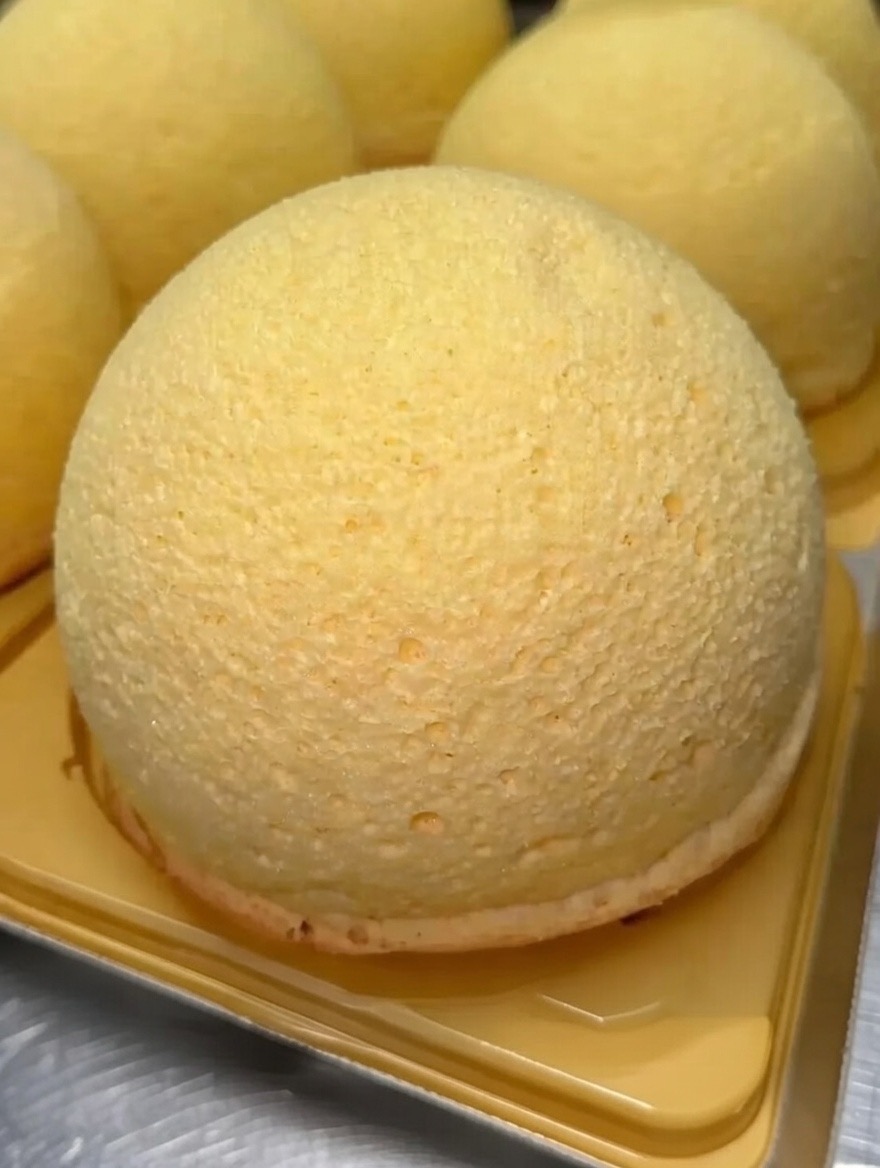
Japanese Soufflé Cheesecake
Light as air, delicately sweet, and irresistibly soft, Japanese Soufflé Cheesecake is a beautiful fusion of traditional baked cheesecake and airy sponge cake. Unlike dense New York–style cheesecakes, this version is known for its cloud-like texture, gentle jiggle, and subtle sweetness. It melts in your mouth with every bite, offering a refined dessert experience that feels both comforting and elegant.
In this comprehensive guide, you’ll learn not only how to make Japanese Soufflé Cheesecake successfully, but also why each step matters, how to avoid common mistakes, and how to customize the recipe for your own kitchen. Whether you’re a beginner baker or someone looking to perfect your technique, this detailed recipe will help you achieve bakery-quality results at home.
What Makes Japanese Soufflé Cheesecake Unique?
Japanese Soufflé Cheesecake became popular in Japan in the late 20th century and quickly gained worldwide attention for its airy, cotton-soft texture. It differs from Western cheesecakes in several important ways:
- It uses whipped egg whites (meringue) to create lift and structure.
- It is baked in a water bath to ensure gentle, even cooking.
- It has a lighter sugar content.
- The texture is a hybrid between cheesecake and sponge cake.
The result is a dessert that gently wobbles when moved and feels incredibly soft when sliced.
Ingredients
For the Cheesecake Batter:
- 250g cream cheese (softened)
- 50g unsalted butter
- 100ml milk
- 60g cake flour
- 20g cornstarch
- 5 large eggs (separated)
- 120g granulated sugar (divided)
- 1 tablespoon lemon juice
- 1 teaspoon vanilla extract
Each ingredient plays an essential role in achieving the perfect texture and flavor. Let’s break down why.
Understanding the Ingredients
Cream Cheese
The foundation of the cheesecake. Use full-fat cream cheese for best results. It should be softened to room temperature so it blends smoothly without lumps.
Butter
Adds richness and contributes to the soft mouthfeel. Unsalted butter is preferred so you can control the salt level.
Milk
Helps loosen the cream cheese mixture and creates a smooth base.
Cake Flour
Cake flour has a lower protein content than all-purpose flour, which results in a softer, more tender texture.
Cornstarch
Works alongside cake flour to stabilize the structure while keeping the cake delicate.
Eggs
Egg yolks provide richness and structure, while whipped egg whites create the airy, soufflé-like lift.
Sugar
Sweetens the cake and stabilizes the meringue.
Lemon Juice
Adds brightness and balances the richness of the cheese.
Vanilla
Enhances the overall flavor without overpowering it.
Equipment You Will Need
- 8-inch round cake pan (preferably removable bottom)
- Parchment paper
- Aluminum foil
- Electric mixer
- Mixing bowls
- Rubber spatula
- Fine mesh sieve
- Large roasting pan (for water bath)
Step-by-Step Instructions
Step 1: Prepare the Pan
Preheat your oven to 160°C (320°F).
Line the bottom of your 8-inch cake pan with parchment paper. Lightly grease the sides and line them with a strip of parchment as well.
Wrap the outside of the pan tightly with two layers of aluminum foil to prevent water from seeping in during baking.
Set aside.
Step 2: Melt the Cheese Mixture
In a heatproof bowl, combine the cream cheese, butter, and milk. Place the bowl over a pot of simmering water (double boiler method). Stir gently until the mixture becomes smooth and fully melted.
Remove from heat and allow it to cool slightly.
This gentle heating prevents curdling and ensures a silky base.
Step 3: Add Egg Yolks and Flavoring
Once the mixture is warm but not hot, whisk in the egg yolks one at a time. Mix well after each addition.
Add the lemon juice and vanilla extract.
Sift in the cake flour and cornstarch. Mix gently until smooth and lump-free.
Avoid overmixing. Overworking the batter can create a dense cake.
Step 4: Prepare the Meringue
In a clean, grease-free bowl, beat the egg whites on medium speed until foamy.
Gradually add the sugar in three additions while continuing to beat.
Increase speed to medium-high and whip until soft to medium peaks form. The meringue should hold its shape but still have a slightly curved tip.
Do not overbeat. Stiff peaks can cause cracking and collapse.
Step 5: Fold the Meringue
Take one-third of the meringue and gently fold it into the cream cheese mixture to lighten it.
Then carefully fold in the remaining meringue in two additions. Use a rubber spatula and fold in a sweeping motion from bottom to top.
Be gentle. Preserving air bubbles is essential for the soufflé texture.
Step 6: Pour and Prepare Water Bath
Pour the batter into the prepared cake pan. Tap the pan lightly on the counter to remove large air bubbles.
Place the cake pan into a large roasting pan. Pour hot water into the roasting pan until it reaches about halfway up the sides of the cake pan.
The water bath ensures gentle, even baking and prevents cracks.
Step 7: Bake
Bake at 160°C (320°F) for 60 minutes.
After 60 minutes, reduce the temperature to 140°C (285°F) and bake for another 30 minutes.
The cake should be lightly golden on top and slightly jiggly in the center.
Step 8: Cool Gradually
Turn off the oven and leave the door slightly ajar. Allow the cake to cool inside the oven for about 30 minutes.
This gradual cooling prevents sudden collapse.
Remove from oven and let cool completely at room temperature before removing from the pan.
Tips for Perfect Results
1. Room Temperature Ingredients
Cold ingredients can cause lumps and uneven mixing.
2. Clean Mixing Bowl
Any grease in the bowl can prevent egg whites from whipping properly.
3. Do Not Skip the Water Bath
It is essential for achieving the signature smooth texture.
4. Avoid Overmixing
Folding gently keeps the batter airy.
5. Slow Cooling
Rapid temperature changes can cause cracking or shrinking.
Common Problems and Solutions
Cake Collapsed After Baking
Likely causes:
- Overbeaten meringue
- Underbaking
- Sudden temperature drop
Cracked Top
Possible reasons:
- Oven too hot
- Meringue too stiff
- No water bath
Dense Texture
Often caused by:
- Overmixing
- Deflated meringue
- Incorrect flour measurement
Serving Suggestions
Japanese Soufflé Cheesecake is best served slightly chilled or at room temperature.
Dust with powdered sugar for a classic look. You can also serve it with:
- Fresh berries
- Light whipped cream
- A drizzle of fruit coulis
- Citrus glaze
Its mild sweetness pairs beautifully with tea or coffee.
Storage Instructions
Store the cheesecake in an airtight container in the refrigerator for up to 3 days.
Allow it to sit at room temperature for 20 minutes before serving for best texture.
It can also be frozen for up to 1 month. Wrap tightly in plastic wrap and then foil.
Flavor Variations
Matcha Japanese Cheesecake
Add 1 tablespoon of sifted matcha powder to the flour mixture.
Chocolate Version
Add 80g melted dark chocolate to the cream cheese base.
Citrus Twist
Increase lemon juice and add lemon zest for a brighter flavor.
Why the Water Bath Matters
The water bath (bain-marie) regulates temperature and adds moisture to the oven environment. Cheesecakes are delicate custard-based desserts. Direct heat can cause them to rise too quickly and crack.
The steam created by the water bath keeps the cake surface from drying out while allowing the center to cook evenly.
Texture Explained
The signature jiggle comes from:
- Properly whipped meringue
- Balanced flour-to-liquid ratio
- Gentle baking temperature
When done correctly, the cake should wobble slightly in the center but not appear liquid.
Nutritional Overview (Approximate)
Per slice (8 slices total):
- Calories: 240–280
- Protein: 6g
- Fat: 18g
- Carbohydrates: 18g
This will vary depending on exact ingredients used.
Final Thoughts
Japanese Soufflé Cheesecake is a dessert that showcases precision, patience, and technique. While it may seem intimidating at first, once you understand the science behind it, the process becomes enjoyable and rewarding.
Its delicate sweetness and cloud-like texture make it perfect for celebrations, tea gatherings, or simply treating yourself to something special.
Take your time, follow the steps carefully, and enjoy the satisfaction of watching your cheesecake rise beautifully in the oven. With practice, you’ll master this elegant dessert and impress anyone lucky enough to taste it.