
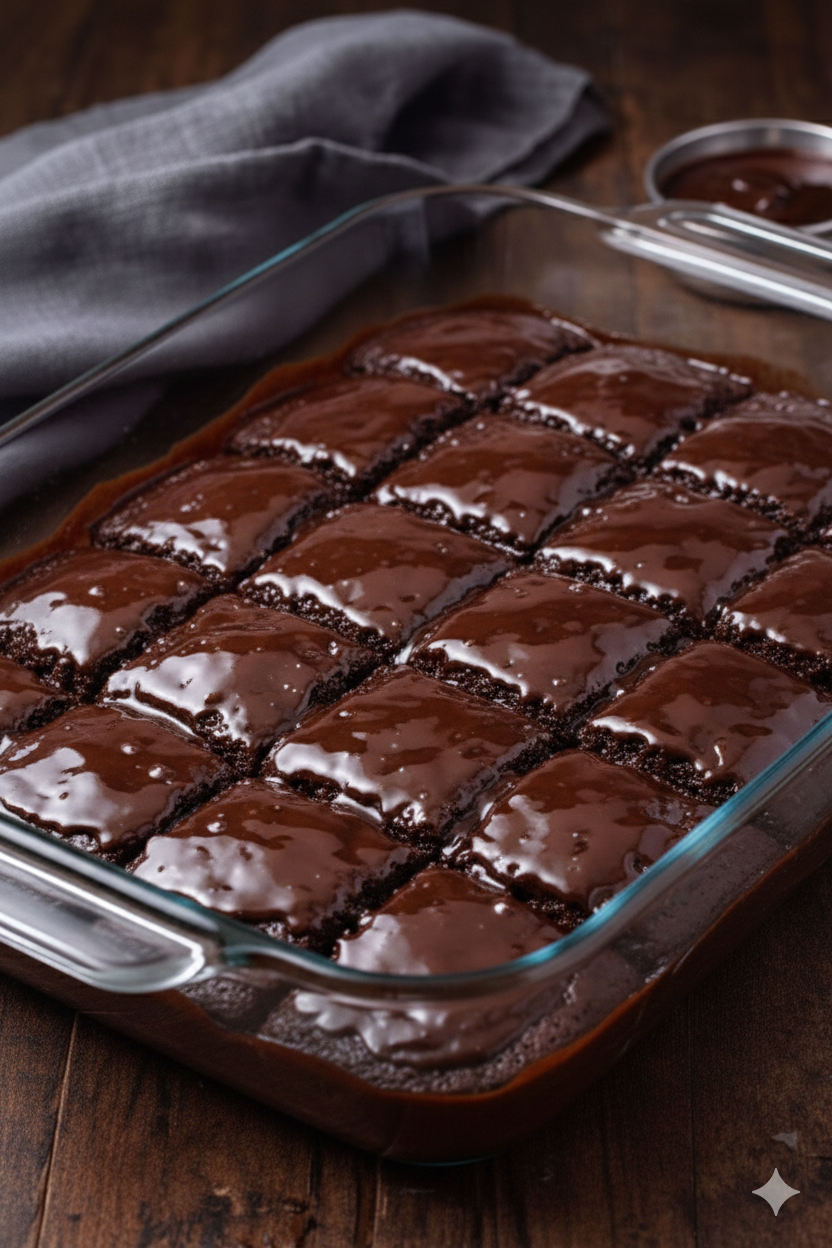
Moist Chocolate Cake
Introduction
A moist chocolate cake is one of the most beloved desserts across the world, known for its rich flavor, soft texture, and comforting appeal. Whether served at birthdays, family gatherings, celebrations, or simply enjoyed with a cup of coffee, chocolate cake holds a special place in baking traditions. What makes a chocolate cake truly memorable is not just its taste, but its texture—light, tender, and deeply moist with every bite.
This recipe is designed to guide you step by step in creating a perfectly moist chocolate cake using simple pantry ingredients. It is approachable for beginners yet refined enough to satisfy experienced bakers. The balance of cocoa, sugar, and fats creates a cake that is soft without being overly dense, sweet without being overwhelming, and rich without feeling heavy.
In this comprehensive guide, you will learn not only how to prepare the cake, but also why each ingredient matters, how to avoid common mistakes, and how to customize the recipe to suit your preferences.
Ingredients
To prepare this moist chocolate cake, gather the following ingredients:
- 3 large eggs
- 1 cup granulated sugar
- 1/2 cup vegetable oil
- 1 cup whole milk
- 1/2 cup unsweetened cocoa powder
- 1 teaspoon vanilla extract
- 2 cups all-purpose flour
- 1 tablespoon baking powder
Understanding the Ingredients
Eggs
Eggs play a crucial role in the structure and stability of the cake. They provide moisture, richness, and help bind the ingredients together. Using room temperature eggs ensures better mixing and a smoother batter.
Granulated Sugar
Sugar not only sweetens the cake but also contributes to its moist texture. It helps retain moisture during baking and creates a tender crumb.
Vegetable Oil
Oil is a key factor in making this cake moist. Unlike butter, which can solidify at room temperature, oil keeps the cake soft and tender even after it cools.
Whole Milk
Milk adds moisture and richness while also helping to dissolve the dry ingredients evenly. Whole milk is preferred for its fat content, which enhances flavor and texture.
Cocoa Powder
Unsweetened cocoa powder provides the chocolate flavor. It is important to use good-quality cocoa powder for a deeper and more satisfying taste.
Vanilla Extract
Vanilla enhances the overall flavor of the cake, balancing the richness of the cocoa and adding subtle aromatic notes.
All-Purpose Flour
Flour forms the structure of the cake. Measuring it correctly is essential to avoid a dense or dry texture.
Baking Powder
Baking powder is the leavening agent that helps the cake rise. It creates air pockets in the batter, resulting in a light and fluffy texture.
Equipment Needed
Before you begin, make sure you have the following tools ready:
- Mixing bowls
- Whisk or electric mixer
- Measuring cups and spoons
- Sifter (optional but recommended)
- Cake pan (round or rectangular)
- Spatula
- Cooling rack
Preparation Steps
Step 1: Preheat the Oven
Preheat your oven to 180°C (350°F). Proper preheating ensures that the cake bakes evenly from the moment it goes into the oven.
Grease your cake pan with oil or butter and lightly dust it with flour, or line it with parchment paper to prevent sticking.
Step 2: Prepare the Wet Ingredients
In a large mixing bowl, crack the eggs and whisk them until slightly frothy. Add the granulated sugar and continue whisking until the mixture becomes pale and slightly thickened.
Slowly pour in the vegetable oil while whisking continuously. This helps emulsify the mixture, creating a smooth base.
Add the milk and vanilla extract, mixing until everything is well combined.
Step 3: Incorporate the Cocoa Powder
Sift the cocoa powder into the wet mixture to remove any lumps. Stir gently until the cocoa is fully incorporated and the batter becomes smooth and chocolatey.
Step 4: Combine the Dry Ingredients
In a separate bowl, sift together the all-purpose flour and baking powder. Sifting helps aerate the flour and ensures even distribution of the leavening agent.
Step 5: Mix Wet and Dry Ingredients
Gradually add the dry ingredients to the wet mixture in batches. Stir gently using a spatula or whisk, being careful not to overmix.
Mix just until no streaks of flour remain. Overmixing can develop gluten in the flour, resulting in a tougher cake.
Step 6: Pour the Batter
Pour the batter into the prepared cake pan. Use a spatula to spread it evenly and smooth the surface.
Tap the pan lightly on the counter to release any trapped air bubbles.
Baking Instructions
Place the cake pan in the preheated oven and bake for 30 to 40 minutes, depending on your oven.
To check for doneness, insert a toothpick into the center of the cake. If it comes out clean or with a few moist crumbs, the cake is ready.
Avoid opening the oven door too early, as this can cause the cake to sink.
Cooling the Cake
Once baked, remove the cake from the oven and let it cool in the pan for about 10 to 15 minutes.
Then transfer it to a cooling rack to cool completely. Allowing the cake to cool properly helps set its structure and makes it easier to slice.
Tips for a Perfect Moist Cake
- Use room temperature ingredients for better mixing
- Measure ingredients accurately to maintain balance
- Do not overmix the batter
- Avoid overbaking, as this can dry out the cake
- Use good-quality cocoa powder for better flavor
Optional Additions and Variations
Chocolate Chips
Fold chocolate chips into the batter for extra bursts of chocolate flavor.
Coffee Enhancement
Adding a small amount of brewed coffee can intensify the chocolate flavor without making the cake taste like coffee.
Frosting Options
You can pair this cake with various frostings such as chocolate ganache, buttercream, or cream cheese frosting.
Layer Cake
Divide the batter into two pans to create layers. Add frosting or filling between the layers for a more elaborate dessert.
Serving Suggestions
This moist chocolate cake can be served in many ways:
- Dust with powdered sugar for a simple presentation
- Serve with whipped cream or ice cream
- Pair with fresh fruits such as strawberries or raspberries
- Drizzle with chocolate sauce for extra indulgence
Storage Instructions
Room Temperature
Store the cake in an airtight container at room temperature for up to 2 days.
Refrigeration
If you plan to keep it longer, refrigerate the cake for up to 5 days. Bring it to room temperature before serving for the best texture.
Freezing
Wrap the cake tightly in plastic wrap and store it in the freezer for up to 2 months. Thaw at room temperature before serving.
Common Mistakes to Avoid
- Using cold ingredients, which can lead to uneven mixing
- Skipping the sifting step, resulting in lumps
- Overmixing the batter, causing a dense texture
- Baking at the wrong temperature
- Removing the cake from the pan too early
Frequently Asked Questions
Why is my cake dry?
This can happen if the cake is overbaked or if too much flour is used.
Can I use butter instead of oil?
Yes, but the cake may be slightly less moist. Oil is preferred for a softer texture.
Can I make this cake without eggs?
Egg substitutes can be used, but they may affect the texture and structure.
Final Thoughts
This moist chocolate cake recipe is a reliable and versatile option for any occasion. With its soft crumb, rich chocolate flavor, and simple preparation, it is a dessert that can be made again and again with consistent results.
By following the steps carefully and understanding the role of each ingredient, you can achieve a cake that is both delicious and visually appealing. Whether enjoyed plain or dressed up with frosting and toppings, this cake is sure to satisfy any chocolate lover.