
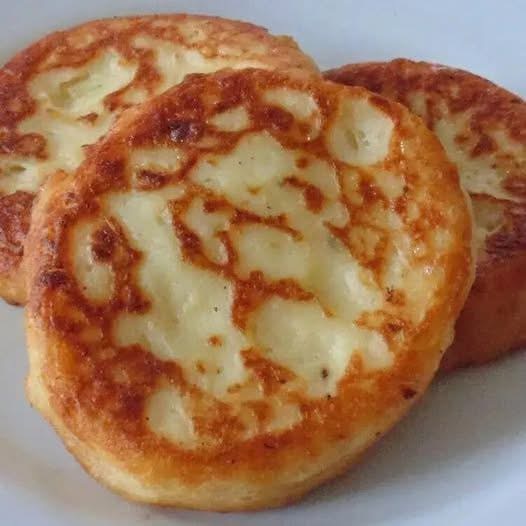
Grandma’s Cheesy Potato Pancakes
A timeless comfort food recipe worth making again and again
There are certain recipes that never really leave us, even when we stop making them for a while. They stay tucked away in our memory, tied to a person, a place, or a feeling. For many of us, those recipes came from our grandmothers—women who cooked not from cookbooks but from experience, instinct, and love. These cheesy potato pancakes are one of those dishes.
My grandma used to make this all the time, and I hadn’t had it in years. The moment I tasted it again, I realized just how deeply comforting it still is. The crispy golden crust, the soft and creamy inside, the gentle flavor of potatoes and cheese coming together in perfect balance—it tasted exactly the way I remembered. Some foods change over time. This one does not. It is just as good now as it was back then.
This is the kind of recipe you make once and immediately know you will be serving again. It works for breakfast, lunch, dinner, or even a simple snack. It does not rely on expensive ingredients or complicated techniques. Instead, it proves that the best food is often the simplest.
If you love old-fashioned comfort food and want recipes that feel like home, this is one you will want to keep—and one you will want to come back for again.
Why These Potato Pancakes Are So Special
Cheesy potato pancakes may sound simple, but what makes them special is the balance of textures and flavors. When made correctly, they are crisp and golden on the outside, soft and fluffy in the center, and rich without being heavy.
Unlike thin potato fritters, these pancakes are thicker and more substantial. They hold their shape beautifully and develop a deep, even browning when cooked slowly in a pan. The cheese melts into the potatoes, creating pockets of creaminess that make each bite satisfying.
This recipe is also incredibly forgiving. It does not require exact measurements or special equipment. It can be adjusted easily based on what you have in your kitchen, which is exactly how grandma would have made it.
Ingredients You Will Need
This recipe uses everyday ingredients that are easy to find and affordable. The quality of the ingredients matters, but there is no need for anything fancy.
Potatoes
Starchy potatoes work best for this recipe. Russet or Yukon Gold potatoes are ideal because they mash smoothly and create a soft interior. Avoid waxy potatoes, as they tend to hold too much moisture and can make the pancakes dense.
Cheese
Mild cheeses work best, allowing the potato flavor to shine. Cheddar, mozzarella, or a simple farmer’s cheese are excellent choices. You can use one type of cheese or a combination, depending on what you prefer.
Eggs
Eggs help bind the mixture and give the pancakes structure. They also add richness without overpowering the flavor.
Flour
A small amount of flour helps absorb excess moisture and keeps the pancakes from falling apart. All-purpose flour works perfectly here.
Onion (Optional)
Finely grated onion adds a subtle depth of flavor. This ingredient is optional but highly recommended if you want a more savory result.
Salt and Pepper
Simple seasoning is all you need. Potatoes absorb salt well, so do not be afraid to season generously.
Oil or Butter for Frying
A neutral oil, butter, or a combination of both can be used for frying. Butter adds flavor, while oil helps prevent burning.
How Grandma Would Prepare the Potatoes
The secret to perfect potato pancakes starts with the potatoes themselves. Grandma never rushed this step, and neither should you.
First, the potatoes are peeled and either grated finely or boiled and mashed, depending on the family tradition. In this version, we use boiled and mashed potatoes, which create a smoother, creamier texture and thicker pancakes.
After boiling, the potatoes should be drained very well and allowed to cool slightly. Excess moisture is the enemy of good pancakes, so this step is important. Once cooled, the potatoes are mashed until smooth, with no large lumps remaining.
Step-by-Step Instructions
Step 1: Prepare the Potatoes
Peel the potatoes and cut them into evenly sized pieces. Place them in a large pot of salted water and bring to a boil. Cook until the potatoes are fork-tender but not falling apart.
Drain thoroughly and let them sit in the colander for a few minutes to release steam. Transfer to a bowl and mash until smooth. Allow the mashed potatoes to cool slightly before continuing.
Step 2: Add the Remaining Ingredients
To the mashed potatoes, add the eggs, grated cheese, flour, salt, pepper, and grated onion if using. Mix gently until everything is just combined. The mixture should be soft but hold its shape when scooped.
If the mixture feels too wet, add a small amount of flour, one tablespoon at a time. Avoid adding too much, as this can make the pancakes heavy.
Step 3: Shape the Pancakes
Using your hands or a spoon, scoop portions of the mixture and gently shape them into thick, round patties. Do not press them too flat. Thicker pancakes create a better contrast between the crispy exterior and creamy interior.
Place the shaped pancakes on a plate or tray while you heat the pan.
Step 4: Fry Until Golden
Heat a skillet over medium heat and add oil or butter. Once hot, carefully place the pancakes into the pan, leaving space between each one.
Cook slowly, allowing the bottoms to turn golden brown before flipping. This usually takes about three to four minutes per side. Flip gently and cook until both sides are evenly browned and crisp.
Transfer the cooked pancakes to a plate lined with paper towels to absorb excess oil.
Tips for Perfect Results Every Time
One of the reasons grandma’s cooking was always so good is that she paid attention to small details. These tips will help you achieve the same results.
- Do not rush the frying process. Medium heat allows the pancakes to cook through without burning.
- Make sure the potatoes are not overly wet before mixing.
- Taste the mixture before frying and adjust seasoning if needed.
- Use a non-stick or well-seasoned pan to prevent sticking.
- Cook in batches and keep finished pancakes warm in a low oven if necessary.
Variations You Can Try
This recipe is wonderfully adaptable. Once you master the basic version, there are many ways to make it your own.
Herb-Infused Pancakes
Add chopped fresh herbs such as parsley, dill, or chives for a fresh flavor.
Extra Cheesy Version
Increase the amount of cheese or add a second type for a richer result.
Garlic Potato Pancakes
Add a small amount of minced or grated garlic for extra depth.
Baked Version
For a lighter option, bake the pancakes in a well-greased oven at 400°F until golden, flipping once halfway through.
Serving Suggestions
These cheesy potato pancakes are incredibly versatile and can be served in many ways.
- Serve them hot with sour cream or plain yogurt.
- Pair them with a simple green salad for a light meal.
- Serve alongside eggs for a hearty breakfast.
- Enjoy them as a side dish with roasted meats or vegetables.
They are best served fresh, but they reheat well and make excellent leftovers.
Storage and Reheating
Leftover pancakes can be stored in an airtight container in the refrigerator for up to three days. To reheat, place them in a skillet over medium heat or in the oven until warmed through and crispy again.
Avoid reheating in the microwave if possible, as this can soften the crust.
Why Recipes Like This Matter
Recipes like this are more than just food. They are memories, traditions, and connections to the people who came before us. When you make this dish, you are not just cooking potatoes and cheese—you are continuing a story.
My grandma used to make this all the time, and I hadn’t had it in years. I still love it just as much as I used to. Bringing it back into my kitchen reminded me how powerful simple food can be.
If you enjoy recipes like this—simple, comforting, and made to be shared—this is one you will want to keep in your collection. And if you want more recipes that feel like home, keep coming back. There are many more worth remembering and making again.