
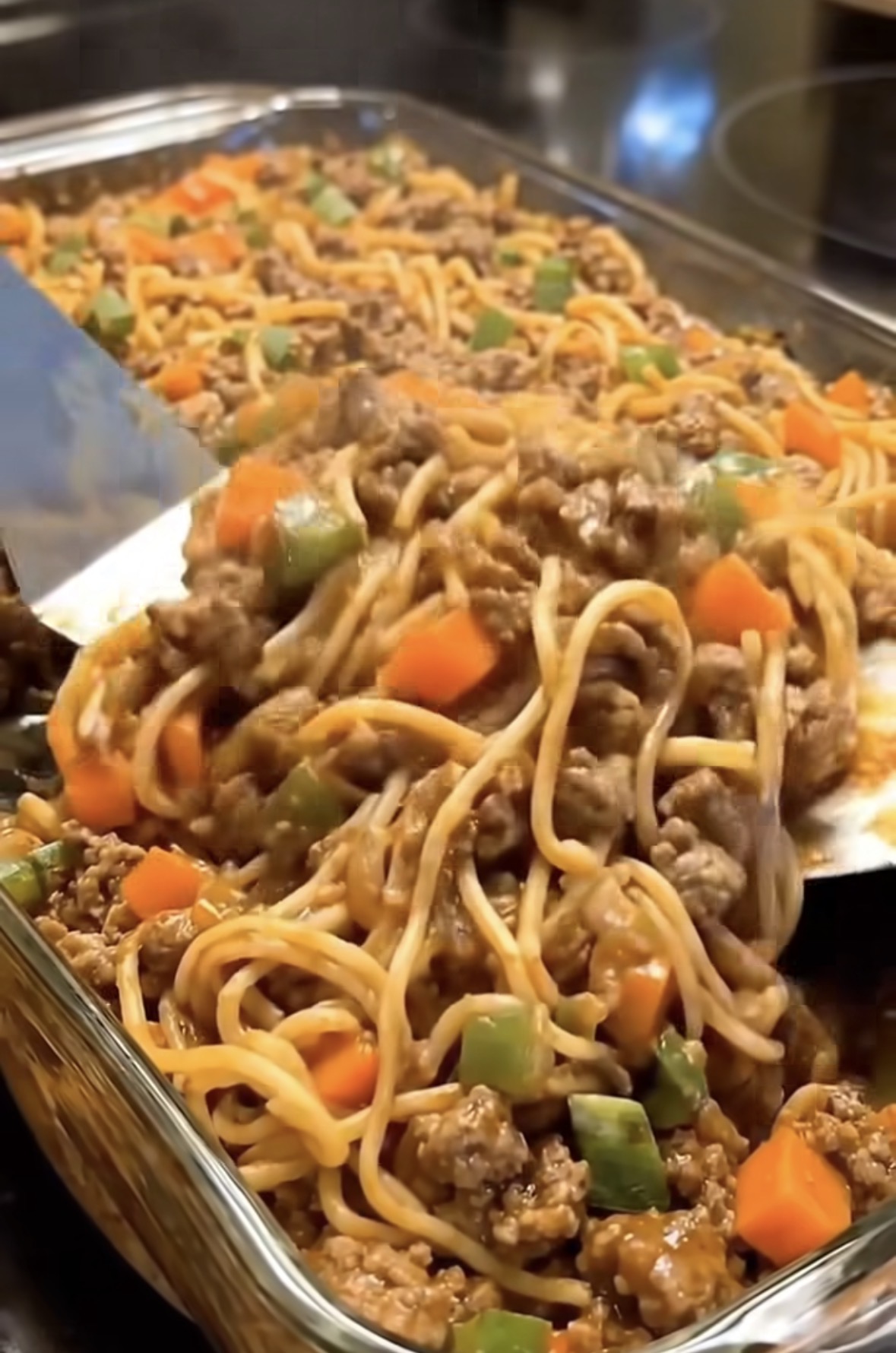
Savory Asian-Style Beef Noodles: A Complete Homemade Recipe
Asian-style beef noodles are a delicious, comforting dish that combines tender ground beef, perfectly cooked noodles, and a rich, savory sauce. With hints of soy, ginger, garlic, and optional hoisin sauce, this meal is both flavorful and satisfying. Whether you prefer spaghetti, lo mein, or another type of noodle, this recipe is flexible and can be adapted to your taste.
This guide will provide a detailed, step-by-step approach to creating this dish, including tips on ingredient selection, preparation techniques, and serving suggestions. The goal is to help you create restaurant-quality noodles in the comfort of your own kitchen.
Why This Dish Works
Asian-style beef noodles work so well because they balance protein, starch, and flavor in a harmonious way. The ground beef provides a hearty base, while the noodles serve as a neutral canvas that absorbs the rich sauce. The sauce itself is savory and slightly sweet, with a hint of spice if you add red pepper flakes. Aromatics like garlic, ginger, and green onions elevate the flavor, giving each bite depth and complexity.
Unlike more complicated stir-fry dishes, this recipe is approachable for both beginner and experienced cooks. It requires basic ingredients, common kitchen equipment, and standard cooking techniques, but the end result is impressive.
Ingredients
For the noodles and beef:
- 8 oz noodles (spaghetti, lo mein, or rice noodles)
- 1 lb ground beef
- 3 cloves garlic, minced
- 1 tsp fresh ginger, grated (optional)
- 2 green onions, sliced
- 1 tbsp sesame oil
- 1 tbsp vegetable oil
- 1/2 tsp red pepper flakes (optional)
For the sauce:
- 1/4 cup soy sauce
- 1/4 cup brown sugar
- 1/2 cup beef broth or water
- 1 tbsp hoisin sauce (optional)
- 1 tsp cornstarch mixed with 2 tbsp water (for thickening)
These ingredients combine to create a sweet-savory-salty sauce that clings perfectly to the noodles and beef.
Equipment Needed
- Large pot for boiling noodles
- Strainer or colander
- Large skillet or wok
- Mixing bowl
- Whisk
- Cutting board and knife
- Wooden spoon or spatula
Having these tools on hand makes the cooking process smoother and ensures even results.
Step 1: Preparing the Noodles
Start by bringing a large pot of water to a boil. Add a pinch of salt to enhance the noodles’ flavor.
Cook the noodles according to package instructions until they are al dente. Al dente noodles have a slight bite and will hold up better when mixed with the sauce. Overcooked noodles tend to become mushy, especially after combining with the sauce.
Once cooked, drain the noodles in a colander and rinse briefly under cold water. This stops the cooking process and prevents the noodles from sticking together. Set the noodles aside while you prepare the beef and sauce.
Step 2: Cooking the Ground Beef
Heat the vegetable oil in a large skillet or wok over medium-high heat. Once hot, add the ground beef.
Break up the beef with a wooden spoon and cook until browned and fully cooked. This should take about 5–7 minutes. Browning the beef properly is important because it develops a deeper flavor.
Once browned, drain any excess fat from the pan. Excess grease can make the sauce too oily and heavy.
Step 3: Adding Aromatics
To the cooked beef, add minced garlic and grated ginger. These aromatics infuse the beef with flavor, creating the characteristic taste of Asian-style dishes.
Stir frequently and cook for 1–2 minutes, just until fragrant. Be careful not to burn the garlic, as it can become bitter if overcooked.
If you like heat, sprinkle in red pepper flakes at this stage. They will toast slightly with the aromatics, releasing a subtle spiciness that complements the sauce.
Step 4: Making the Sauce
In a small bowl, combine soy sauce, brown sugar, beef broth (or water), and hoisin sauce if using. Whisk until the sugar is dissolved and the sauce is uniform.
Pour the sauce mixture into the skillet with the beef and aromatics. Bring it to a gentle simmer over medium heat.
This step allows the beef to absorb the flavors while the sauce begins to thicken slightly. Let the sauce simmer for about 3–4 minutes, stirring occasionally.
Step 5: Thickening the Sauce
To achieve a glossy, thick sauce, combine 1 teaspoon of cornstarch with 2 tablespoons of cold water in a small bowl. Stir until smooth.
Slowly pour the cornstarch slurry into the simmering beef mixture, stirring continuously. The sauce should thicken within 1–2 minutes.
If the sauce is too thick, add a little more beef broth or water to reach your desired consistency. A properly thickened sauce should cling to the noodles and beef without being too runny.
Step 6: Combining Noodles and Sauce
Add the cooked noodles to the skillet with the beef and sauce.
Drizzle sesame oil over the top. Sesame oil adds a nutty, aromatic flavor that enhances the dish.
Toss the noodles and beef together using tongs or a spatula. Make sure the noodles are fully coated with the sauce and evenly mixed with the beef.
Step 7: Adding Green Onions
Once the noodles are evenly coated and heated through, stir in the sliced green onions.
Green onions add a fresh, slightly sharp flavor that balances the richness of the beef and sauce. You can add more or less depending on your preference.
Step 8: Serving Suggestions
Serve the beef noodles immediately while hot.
This dish pairs well with a simple side of steamed vegetables like broccoli, bok choy, or snap peas. For added flavor, sprinkle sesame seeds over the top before serving.
Leftovers can be stored in an airtight container in the refrigerator for up to three days. Reheat gently in a skillet or microwave, adding a splash of water or broth if needed to loosen the sauce.
Tips for Perfect Asian-Style Beef Noodles
- Use fresh aromatics – Fresh garlic and ginger provide a more vibrant flavor than pre-minced or powdered alternatives.
- Don’t overcook the noodles – Noodles will continue to soften when mixed with the sauce. Cooking them al dente ensures they retain a pleasant texture.
- Balance sweetness and saltiness – Adjust brown sugar or soy sauce to suit your taste preferences.
- Toast red pepper flakes – Adding heat at the aromatic stage releases essential oils and creates depth.
- Use high-quality soy sauce – A good soy sauce can make a noticeable difference in flavor.
Variations
- Vegetable Beef Noodles: Add sliced bell peppers, carrots, or mushrooms to the skillet when cooking the beef.
- Spicy Szechuan Noodles: Include Szechuan peppercorns or chili paste for a bold, spicy version.
- Lo Mein Variation: Use lo mein noodles instead of spaghetti for a more authentic Chinese-style dish.
- Gluten-Free Option: Substitute gluten-free soy sauce and rice noodles.
Why This Recipe Works
This recipe works because it balances the key elements of a great noodle dish: texture, flavor, and aroma. The ground beef provides heartiness, while the sauce is savory, slightly sweet, and thick enough to coat every strand of noodle. Aromatics and optional spices elevate the dish, creating a complex flavor profile that is simple to replicate at home.
By cooking the beef properly, tempering the sauce with cornstarch, and finishing with sesame oil and fresh green onions, the dish achieves a professional-quality result without requiring advanced techniques.
Nutritional Notes
- Protein: Ground beef provides a good source of protein, which is essential for muscle repair and energy.
- Carbohydrates: The noodles provide a carbohydrate base, making the dish satisfying and filling.
- Fat: The combination of sesame oil and vegetable oil adds flavor and healthy fats.
- Vitamins and Minerals: Optional vegetables and green onions add vitamins, minerals, and fiber.
Final Thoughts
Asian-style beef noodles are a versatile, satisfying dish that brings the flavors of homemade stir-fry into your kitchen. With simple ingredients, clear steps, and a flavorful sauce, anyone can prepare this meal successfully.
Whether served for a family dinner, a casual weeknight meal, or a special occasion, these beef noodles are sure to impress. The combination of tender beef, rich sauce, and perfectly cooked noodles makes this recipe a go-to for comfort food lovers and home cooks alike.
By following these detailed instructions, you can enjoy a restaurant-quality noodle dish at home, complete with balanced flavors, satisfying textures, and a beautiful presentation.