
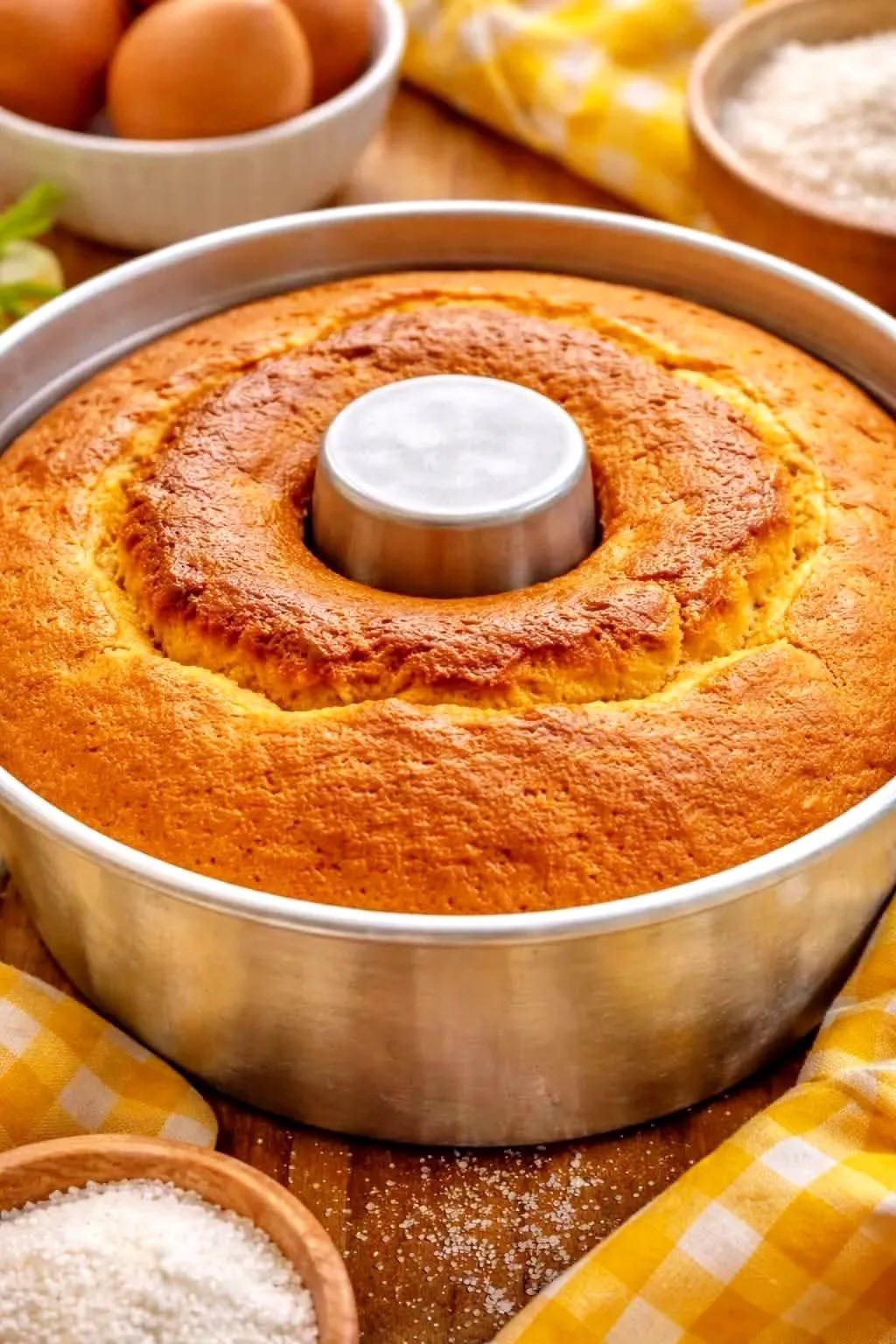
Soft Homemade Cake: The Ultimate Guide to Baking a Light, Fluffy Cake at Home
Baking a soft homemade cake is one of the most satisfying experiences in the kitchen. The aroma of freshly baked cake filling your home, the golden crust forming in the oven, and the moment you slice into a tender, fluffy crumb make it all worthwhile. Whether you are baking for a family gathering, a celebration, or simply to enjoy a homemade dessert, a classic soft cake recipe is a must-have in every home baker’s collection.
This guide will walk you through everything you need to know about making a soft homemade cake from scratch. From understanding the ingredients to step-by-step preparation, helpful baking tips, variations, and storage advice, this article will help you create a perfect cake every time.
Why Homemade Cake Is Better Than Store-Bought
While store-bought cakes are convenient, homemade cakes offer several advantages. When you bake at home, you have full control over the ingredients, flavor, and texture. You can avoid preservatives, adjust sweetness levels, and customize the recipe to suit your taste.
Homemade cakes also tend to be fresher and softer because they are served soon after baking. Additionally, baking at home can be more cost-effective, especially if you regularly enjoy desserts. Most importantly, baking a cake from scratch allows you to create something special for your loved ones.
Ingredients for Soft Homemade Cake
Before you begin baking, gather all the ingredients needed for the recipe. Using fresh and properly measured ingredients plays a major role in achieving a light and fluffy cake.
Main Ingredients
4 Eggs
Eggs provide structure, moisture, and richness to the cake. They also help trap air during mixing, which contributes to the cake’s soft texture.
2 Cups Sugar
Sugar sweetens the cake and helps keep it moist. It also contributes to the cake’s golden color and tender crumb.
3 Cups Wheat Flour
Flour forms the base of the cake. It provides structure and stability while helping create the soft texture when combined with other ingredients.
1 Cup Milk
Milk adds moisture and helps dissolve sugar and other ingredients evenly. It also improves the cake’s flavor and texture.
1/2 Cup Oil
Oil makes the cake tender and moist. Unlike butter, oil remains liquid at room temperature, which helps keep the cake soft for longer.
1 Tablespoon Baking Powder
Baking powder is the leavening agent that helps the cake rise. It creates air bubbles during baking, giving the cake a light and fluffy texture.
1 Pinch of Salt
Salt enhances the flavor of the cake and balances the sweetness.
1 Teaspoon Vanilla Extract
Vanilla extract adds a warm, sweet aroma and enhances the overall flavor of the cake.
Kitchen Tools You Will Need
Having the right tools ready before you start baking makes the process easier and more efficient. Here are the basic tools required:
- Large mixing bowl
- Medium mixing bowl
- Hand mixer or whisk
- Measuring cups and spoons
- Sifter or fine sieve
- Spatula
- Cake pan or baking pan
- Oven
- Cooling rack
Step-by-Step Instructions
Follow these simple steps to make a soft homemade cake with a fluffy texture and delicious flavor.
Step 1: Preheat the Oven
Preheat your oven to 180°C (350°F). Preheating ensures the cake bakes evenly and rises properly. If the oven is not hot enough when the batter goes in, the cake may become dense.
Grease your cake pan with oil or butter and lightly dust it with flour to prevent the cake from sticking.
Step 2: Prepare the Eggs and Sugar
In a large mixing bowl, crack the four eggs and add the sugar. Using a hand mixer or whisk, beat the eggs and sugar together until the mixture becomes light, pale, and slightly fluffy. This process usually takes about 3 to 5 minutes.
Properly beating the eggs and sugar helps incorporate air into the batter, which contributes to a soft and airy cake.
Step 3: Add Oil and Vanilla
Pour the oil into the egg and sugar mixture and add the vanilla extract. Mix well until everything is fully combined.
The oil adds moisture to the batter and helps create a tender crumb in the finished cake.
Step 4: Add the Milk
Slowly pour in the milk while mixing continuously. Stir until the mixture becomes smooth and well blended.
Milk helps create a smooth batter and improves the cake’s overall softness.
Step 5: Combine Dry Ingredients
In a separate bowl, sift together the wheat flour, baking powder, and salt. Sifting removes lumps and helps distribute the baking powder evenly throughout the flour.
This step is important because evenly distributed leavening ensures the cake rises properly.
Step 6: Mix Dry Ingredients into Wet Ingredients
Gradually add the dry ingredient mixture into the wet mixture. Use a spatula or mixer on low speed to combine them gently.
Avoid overmixing the batter, as this can develop gluten in the flour and make the cake dense instead of soft.
Mix until the batter becomes smooth and there are no visible flour pockets.
Step 7: Pour the Batter into the Pan
Pour the prepared batter into the greased cake pan. Use a spatula to spread the batter evenly.
If you want a smoother surface, gently tap the pan on the countertop a few times to remove air bubbles.
Step 8: Bake the Cake
Place the cake pan in the preheated oven and bake for 35 to 40 minutes.
Avoid opening the oven door during the first 25 minutes of baking because sudden temperature changes can cause the cake to collapse.
Step 9: Check for Doneness
To check if the cake is fully baked, insert a toothpick or skewer into the center of the cake. If it comes out clean or with only a few crumbs, the cake is ready.
If the toothpick comes out with wet batter, bake the cake for an additional 5 minutes and test again.
Step 10: Cool the Cake
Once the cake is done baking, remove it from the oven and let it cool in the pan for about 10 minutes.
After that, carefully remove the cake from the pan and place it on a cooling rack. Allow it to cool completely before slicing.
Tips for Making the Perfect Soft Cake
Even simple cake recipes can benefit from a few expert baking tips. These tips can help you achieve a better texture and flavor.
Use Room Temperature Ingredients
Eggs and milk mix more easily when they are at room temperature.
Measure Ingredients Accurately
Too much flour can make the cake dry, while too little can affect its structure.
Do Not Overmix the Batter
Overmixing develops gluten and makes the cake tough instead of soft.
Preheat the Oven Properly
A properly heated oven ensures the cake rises evenly.
Use the Right Pan Size
Using a pan that is too small can cause the batter to overflow, while a pan that is too large can result in a thin cake.
Flavor Variations
Once you master the basic soft cake recipe, you can easily customize it with different flavors and additions.
Chocolate Cake Version
To make a chocolate cake, replace about 1/2 cup of flour with unsweetened cocoa powder. This will give the cake a rich chocolate flavor.
Lemon Cake
Add the zest of one lemon and one tablespoon of lemon juice to the batter for a fresh citrus flavor.
Coconut Cake
Add 1/2 cup of shredded coconut to the batter to create a tropical twist.
Fruit Cake
Mix in chopped fruits such as apples, berries, or bananas for natural sweetness and added moisture.
Frosting and Topping Ideas
Although this cake tastes delicious on its own, adding frosting or toppings can make it even more special.
Powdered Sugar
Dust the cake lightly with powdered sugar for a simple and elegant finish.
Chocolate Ganache
Pour warm chocolate ganache over the cooled cake for a rich dessert.
Whipped Cream
Top the cake with whipped cream and fresh fruits.
Buttercream Frosting
Spread vanilla or chocolate buttercream for a classic bakery-style cake.
How to Store Homemade Cake
Proper storage helps keep your cake fresh and soft.
At Room Temperature
Store the cake in an airtight container for up to 3 days.
In the Refrigerator
If the cake contains frosting or cream toppings, store it in the refrigerator for up to 5 days.
Freezing the Cake
You can freeze the cake for up to 2 months. Wrap it tightly in plastic wrap and place it in a freezer-safe container.
To serve, allow the cake to thaw at room temperature.
Common Cake Baking Mistakes
Even experienced bakers sometimes encounter problems. Here are a few common mistakes and how to avoid them.
Dense Cake
Usually caused by overmixing or too much flour.
Cake Sinks in the Middle
Often happens when the oven door is opened too early.
Dry Cake
This can occur if the cake is overbaked or if too much flour is used.
Uneven Baking
Make sure the cake pan is placed in the center of the oven.
Serving Suggestions
Soft homemade cake can be served in many ways depending on the occasion.
You can enjoy it as a simple afternoon snack with tea or coffee. It also works well as a birthday cake base when decorated with frosting and toppings.
For special gatherings, serve slices with fresh fruit, ice cream, or chocolate sauce.
Conclusion
A soft homemade cake is a timeless dessert that is simple to prepare and loved by people of all ages. With basic pantry ingredients and a few easy steps, you can bake a delicious cake that is fluffy, moist, and full of flavor.
This recipe provides a reliable foundation for countless variations, allowing you to experiment with different flavors, fillings, and toppings. Whether you keep it simple with powdered sugar or dress it up with frosting and fruit, a homemade cake always brings warmth and comfort to the table.
By following the tips and techniques outlined in this guide, you can confidently bake a soft and delicious cake that will impress your family and friends. Baking at home not only allows you to enjoy fresh desserts but also creates moments of joy and creativity in the kitchen.