
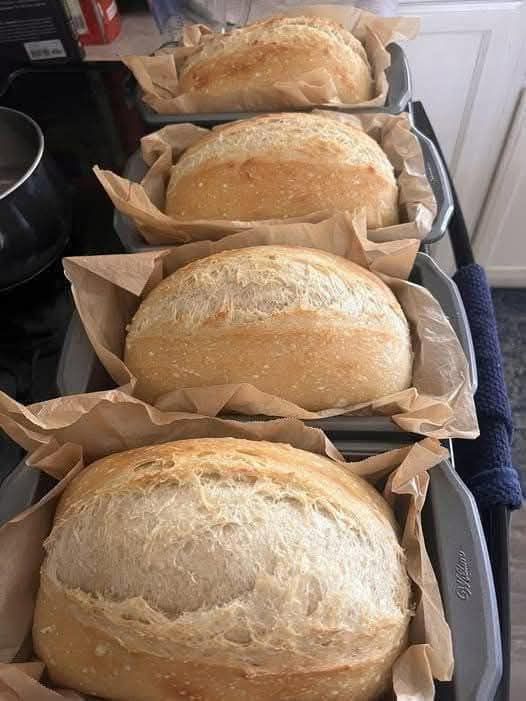
Soft No-Knead Sandwich Bread (No Eggs, No Butter)
There is something deeply comforting about baking your own sandwich bread, especially when it requires almost no effort. This soft no-knead sandwich bread has become a favorite for many home bakers because it delivers everything you want from homemade bread without complicated steps, special equipment, or rich ingredients. No kneading, no eggs, and no butter, yet the result is a loaf that is light, fluffy, tender, and perfect for everyday use.
This bread is ideal for sandwiches, toast, breakfast spreads, and even simple snacking. It has a soft crumb, a mild flavor, and a thin, tender crust that slices beautifully. Because it is made with pantry staples, it is also budget-friendly and reliable, making it perfect for baking multiple loaves throughout the week.
If you have ever felt intimidated by bread baking, this recipe is the perfect place to start. And if you already love baking bread, this one will quickly become a repeat favorite.
Why This Sandwich Bread Works So Well
This recipe relies on hydration and time rather than kneading or enriched ingredients. The dough is slightly sticky, which allows gluten to develop naturally as it rests. Over time, the flour absorbs the water fully, and gluten strands form on their own, creating structure without physical effort.
The absence of eggs and butter keeps the crumb light and neutral, making this bread incredibly versatile. It pairs just as well with savory fillings as it does with sweet spreads. The sugar feeds the yeast and adds a subtle sweetness, while the salt balances flavor and strengthens the dough.
Another key factor is instant yeast. It works efficiently and reliably, producing a steady rise that results in a soft, airy loaf.
Texture and Flavor Profile
This sandwich bread has a soft, cloud-like crumb with fine, even air pockets. It is easy to slice and does not crumble, making it perfect for packed lunches and layered sandwiches.
The flavor is clean and mildly sweet, allowing it to complement everything from peanut butter and jam to deli meats, cheese, and vegetables. The crust is thin and tender, not chewy or tough, which is exactly what most people want in sandwich bread.
Ingredients Overview and Their Purpose
All-Purpose Flour
All-purpose flour creates a soft, balanced crumb. It provides enough protein to build structure while keeping the bread tender. Bread flour can be used, but all-purpose flour delivers the classic sandwich bread texture most people prefer.
Warm Water
Warm water activates the yeast and hydrates the flour. The temperature should be warm to the touch but not hot, ideally between 38–43°C (100–110°F).
Sugar
Sugar feeds the yeast and contributes to a gentle sweetness. It also helps the bread brown evenly during baking.
Salt
Salt is essential for flavor and dough strength. It controls yeast activity and prevents the bread from tasting flat.
Instant Yeast
Instant yeast simplifies the process because it can be mixed directly with the dry ingredients and does not require proofing.
Ingredients List
- 3 ½ cups (440 g) all-purpose flour
- 1 ½ cups (360 ml) warm water
- 2 teaspoons sugar
- 1 ½ teaspoons salt
- 2 ¼ teaspoons (1 packet) instant yeast
Equipment Needed
- Large mixing bowl
- Wooden spoon or spatula
- Plastic wrap or clean kitchen towel
- Loaf pan (9×5 inches recommended)
- Oven
- Wire cooling rack
Step-by-Step Instructions
Step 1: Mixing the Dough
In a large mixing bowl, combine the flour, sugar, salt, and instant yeast. Whisk gently to distribute everything evenly.
Gradually pour in the warm water while stirring with a wooden spoon or spatula. Mix until a sticky, shaggy dough forms. The dough will look rough and slightly wet, which is exactly what you want.
Do not knead the dough. Simply mix until no dry flour remains.
Step 2: First Rise (Bulk Fermentation)
Cover the bowl tightly with plastic wrap or a clean towel. Place it in a warm, draft-free area and let the dough rise for 1 to 1½ hours, or until it doubles in size.
During this time, the yeast will produce gas, and the dough will become airy and elastic. You should see bubbles forming on the surface.
Step 3: Shaping the Dough
Once the dough has risen, lightly flour your work surface. Gently scrape the dough out of the bowl.
With lightly floured hands, fold the dough over itself once or twice to deflate it slightly and form a rough rectangle. Roll it gently into a log shape that matches the length of your loaf pan.
Avoid pressing too hard. The goal is to preserve air while shaping.
Step 4: Second Rise
Lightly grease your loaf pan. Place the shaped dough seam-side down into the pan.
Cover loosely and let the dough rise again for 30–45 minutes, or until it rises just above the rim of the pan. This second rise ensures a light, fluffy loaf.
Step 5: Baking
Preheat your oven to 375°F (190°C).
Once the dough has finished rising, place the loaf pan on the center rack of the oven. Bake for 30–35 minutes, or until the top is lightly golden and the bread sounds hollow when tapped.
If the top browns too quickly, loosely cover it with foil during the last 10 minutes.
Step 6: Cooling
Remove the bread from the oven and turn it out onto a wire rack. Allow it to cool completely before slicing.
Cooling is essential. Slicing too early can compress the crumb and make the bread gummy.
Tips for Perfect Sandwich Bread
- Measure flour accurately by spooning it into the measuring cup and leveling it off
- Use warm, not hot, water to protect the yeast
- Allow both rises to fully develop for the softest texture
- Cool completely before slicing for clean cuts
Variations and Customizations
This bread is an excellent base recipe and can be adapted easily.
- Replace ½ cup of flour with whole wheat flour for added nutrition
- Add seeds on top before baking for texture
- Mix in herbs for a savory loaf
- Add a tablespoon of oil for slightly richer crumb if desired
Storage and Freezing
Store bread at room temperature in a bread bag or wrapped in a clean towel for up to three days.
For longer storage, slice the loaf and freeze it in an airtight bag for up to two months. Toast slices directly from frozen as needed.
Why This Bread Is So Popular
This no-knead sandwich bread has earned its popularity because it is simple, reliable, and incredibly satisfying. It removes the fear and effort from bread baking while delivering results that rival store-bought loaves.
It is also perfect for sharing. Once people taste how soft and fresh it is, they often ask for another loaf. It becomes one of those recipes that people request again and again.
Final Thoughts
This soft no-knead sandwich bread proves that great bread does not need eggs, butter, or complicated techniques. With just a few basic ingredients and a little patience, you can create a loaf that is light, fluffy, and endlessly versatile.
Whether you are baking for your family, your coworkers, or yourself, this bread delivers comfort, simplicity, and homemade goodness in every slice. Once you start making it, it is easy to understand why it becomes so hard to stop.