
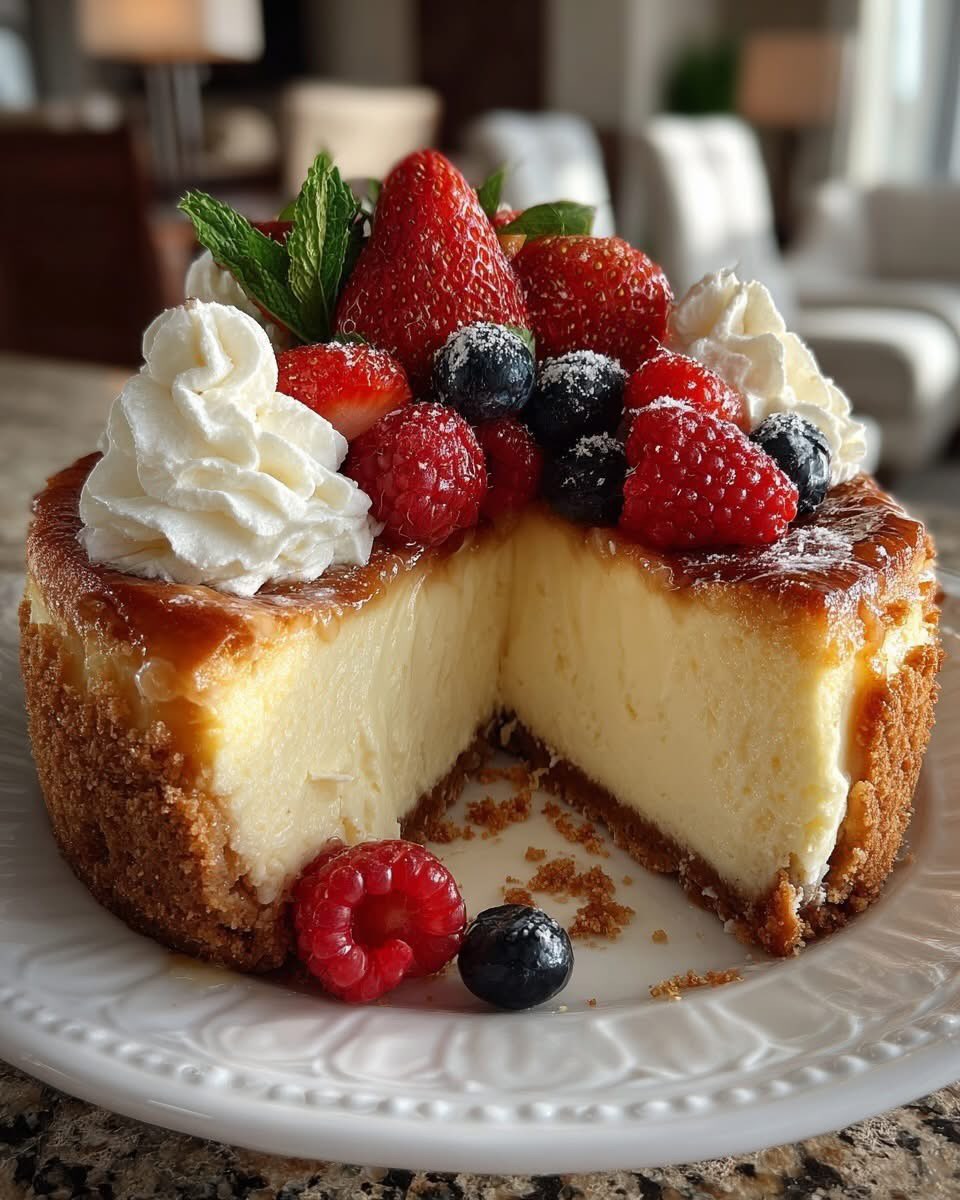
The Ultimate Guide to a Creamy Cheesecake Recipe
Cheesecake is one of those timeless desserts that never goes out of style. With its rich, creamy texture and buttery crust, it has a way of turning any meal into a special occasion. Whether you’re an experienced baker or a home cook looking for a rewarding project, this comprehensive guide will walk you through every step of creating the perfect creamy cheesecake. From the crust to the luscious filling and even optional toppings, we will cover every detail so your cheesecake turns out flawless every time.
Why Cheesecake is a Classic Favorite
Cheesecake has a long and fascinating history. Dating back to ancient Greece, cheesecake was originally made with simple ingredients like cheese, honey, and wheat. Over centuries, it evolved through Europe and America, incorporating richer ingredients such as cream cheese, eggs, and sugar. Today, the modern cheesecake is enjoyed worldwide in countless variations—plain, flavored, or topped with fruit, chocolate, or nuts. Its versatility and indulgent texture make it a favorite for birthdays, holidays, and dinner parties.
Ingredients Overview
Before diving into the steps, it’s important to understand the ingredients and their roles in the cheesecake.
For the Crust
- 1 ½ cups graham cracker crumbs: These form the base of your cheesecake. You can also use digestive biscuits or even crushed cookies like shortbread for a different flavor profile.
- ¼ cup sugar: Adds sweetness to the crust and balances the buttery flavor.
- 6 tablespoons melted butter: Binds the crumbs together and provides a rich, flavorful base.
For the Cheesecake Filling
- 24 oz (680 g) cream cheese, softened: The star of the cheesecake. Softened cream cheese ensures a smooth, creamy texture.
- ¾ cup sugar: Sweetens the cheesecake filling. Adjust slightly if you prefer a less sweet dessert.
- 3 large eggs: Eggs give structure and richness to the filling. Be sure they are at room temperature to avoid curdling.
- 1 cup sour cream: Adds tanginess and creaminess. It also helps keep the cheesecake moist.
- 1 teaspoon vanilla extract: Enhances the overall flavor and aroma.
- 1 tablespoon lemon juice: Brightens the flavor and balances the sweetness.
- 2 tablespoons all-purpose flour: Stabilizes the cheesecake and prevents cracking.
Tools You Will Need
Baking a cheesecake requires a few specific tools to achieve the best results:
- Springform pan: Essential for easily removing the cheesecake without damaging its shape.
- Mixing bowls: For combining the crust and filling ingredients.
- Electric mixer: While you can mix by hand, a stand or hand mixer ensures a perfectly smooth filling.
- Spatula: Helps scrape the sides of the bowl and evenly spread the crust.
- Measuring cups and spoons: Accurate measurements are crucial for a perfect cheesecake.
Step-by-Step Instructions
Step 1: Prepare the Oven
Start by preheating your oven to 325°F (160°C). A lower temperature ensures gentle baking, which helps prevent the cheesecake from cracking and keeps it creamy. If your oven tends to run hot, you may want to lower the temperature by 10 degrees.
Step 2: Make the Crust
- In a medium bowl, combine 1 ½ cups graham cracker crumbs with ¼ cup sugar.
- Pour in 6 tablespoons of melted butter and mix thoroughly until the crumbs are evenly coated and hold together when pressed.
- Press the crumb mixture firmly into the bottom of a 9-inch springform pan. Use the bottom of a glass or measuring cup to press the crumbs down evenly. A compact crust helps provide structure to your cheesecake and prevents it from crumbling when sliced.
- Optional: You can bake the crust for 8–10 minutes at 325°F (160°C) for a firmer base, but this step is not required if you prefer a softer, more cookie-like texture.
Step 3: Prepare the Cheesecake Filling
- In a large mixing bowl, beat the softened cream cheese until smooth and creamy. This is crucial; lumps will affect the texture of your cheesecake.
- Gradually add ¾ cup sugar, continuing to beat until the mixture is fully incorporated and silky.
- Add the eggs one at a time, beating gently after each addition. Overmixing can incorporate too much air, which may cause cracks during baking.
- Mix in 1 cup of sour cream, 1 teaspoon vanilla extract, and 1 tablespoon lemon juice. These ingredients enhance flavor and add richness.
- Finally, sift in 2 tablespoons of all-purpose flour and gently fold it into the mixture until fully combined. This will stabilize the filling without compromising its creaminess.
Step 4: Assemble and Bake
- Pour the cheesecake filling over the prepared crust, spreading it evenly with a spatula.
- Tap the pan gently on the counter to release any air bubbles trapped in the batter. This simple step helps prevent unsightly cracks.
- Bake in the preheated oven at 325°F (160°C) for approximately 50–60 minutes. The cheesecake should be set around the edges but slightly jiggly in the center. Remember, it will continue to set as it cools.
- Optional: For an extra creamy texture and to minimize cracking, you can bake the cheesecake in a water bath. Wrap the springform pan in foil and place it in a larger baking dish filled with hot water. This creates a gentle, even heat around the cheesecake.
Step 5: Cooling and Chilling
- Once baked, turn off the oven and leave the cheesecake inside with the door slightly open for about 1 hour. This gradual cooling helps prevent cracks.
- Remove the cheesecake from the oven and let it cool completely at room temperature.
- Cover with plastic wrap and refrigerate for at least 4 hours, preferably overnight. Cheesecake tastes best when it has had time to set and chill thoroughly.
Tips for a Perfect Cheesecake
- Use room temperature ingredients: Cold cream cheese or eggs can lead to a lumpy filling. Let ingredients sit at room temperature for about 30–60 minutes before baking.
- Don’t overmix: Mixing too aggressively incorporates excess air, which can cause cracks during baking. Mix just until ingredients are combined.
- Water bath baking: This is particularly helpful if you live in a dry climate. The steam prevents the cheesecake from drying out and cracking.
- Avoid opening the oven frequently: Sudden temperature changes can cause the cheesecake to sink in the middle.
Optional Variations
While a classic creamy cheesecake is wonderful on its own, you can customize it to suit your taste:
- Fruit topping: Fresh berries, strawberry compote, or a blueberry glaze adds a bright contrast to the rich cheesecake.
- Chocolate swirl: Melted chocolate or Nutella can be swirled into the batter before baking.
- Caramel drizzle: Homemade or store-bought caramel sauce creates an indulgent dessert.
- Nut crust: Replace graham crackers with crushed pecans, almonds, or walnuts for a nutty twist.
Serving Suggestions
Cheesecake is incredibly versatile. Serve slices plain, dusted with powdered sugar, or with a dollop of whipped cream. Pair it with a cup of coffee, tea, or a dessert wine for an elegant presentation. For parties, individual mini cheesecakes in muffin tins or small ramekins are a fun alternative.
Storing and Freezing
- Refrigeration: Store cheesecake in the refrigerator, covered, for up to five days.
- Freezing: Cheesecake freezes very well. Wrap tightly in plastic wrap and aluminum foil, and freeze for up to three months. Thaw in the refrigerator overnight before serving.
Troubleshooting Common Cheesecake Problems
- Cracks on top: Usually caused by overmixing or sudden temperature changes. Baking in a water bath and gradual cooling helps prevent this.
- Sinking in the center: Could be due to underbaking or overmixing. Make sure the edges are set before removing from the oven.
- Lumpy texture: Cold ingredients can create lumps. Ensure everything is at room temperature and beat until smooth.
Fun Facts About Cheesecake
- The first recorded cheesecake recipe comes from the Greek writer Athenaeus in 230 A.D.
- New York-style cheesecake, famous for its dense, creamy texture, is made primarily with cream cheese rather than ricotta or cottage cheese.
- Cheesecake is celebrated worldwide, with Japanese cheesecake known for its light, fluffy texture, quite different from the dense American version.
Final Thoughts
Making a cheesecake may seem intimidating at first, but with careful attention to ingredient preparation, baking techniques, and cooling, anyone can create a dessert that is creamy, smooth, and delicious. This recipe is a reliable foundation for experimenting with flavors, toppings, and presentations. Whether you stick to the classic version or explore fruity, chocolaty, or nutty variations, your creamy cheesecake will undoubtedly impress family, friends, and guests alike.