
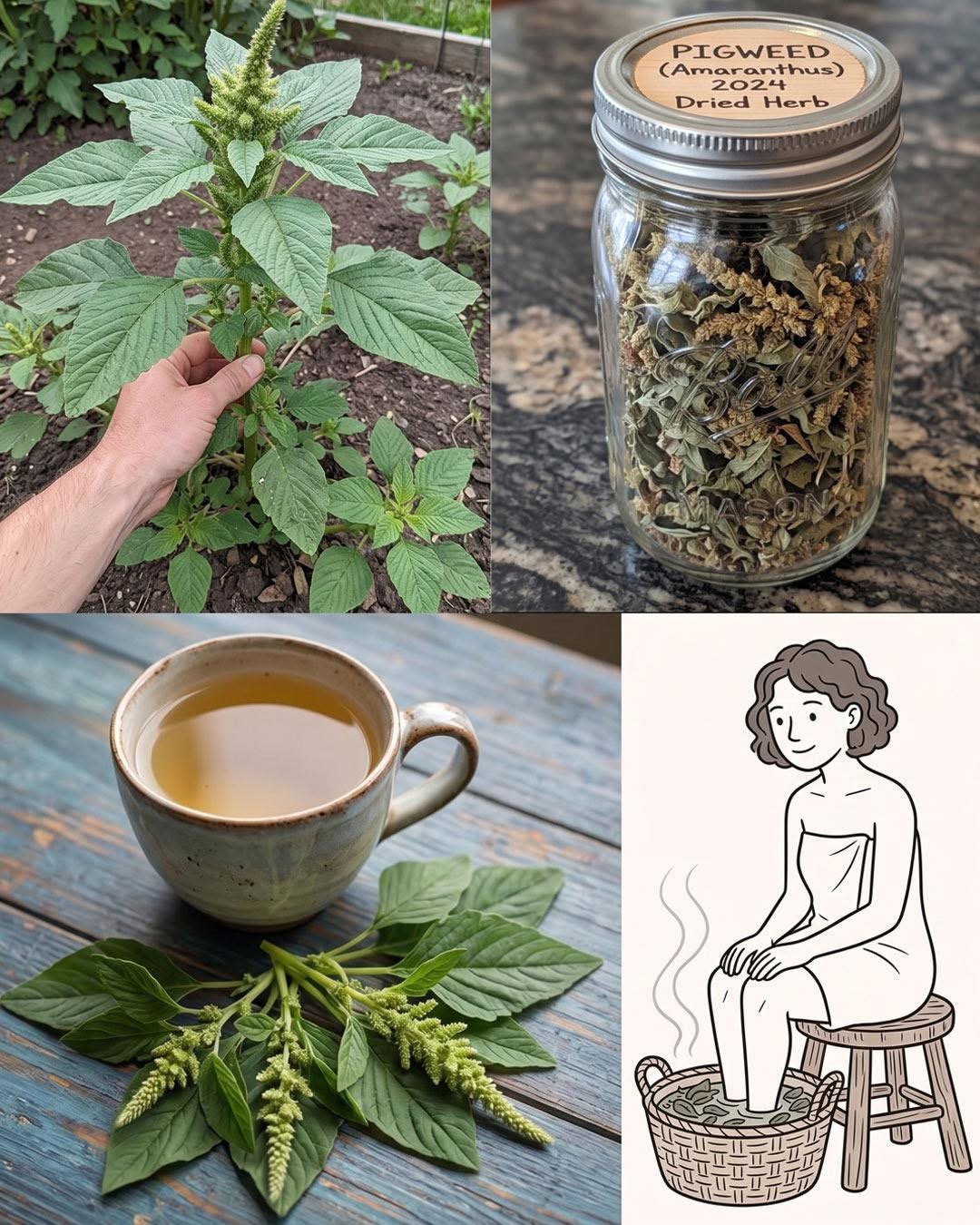
Pigweed is often treated as a common garden weed, but several Amaranthus species have traditionally been eaten as leafy greens. The young leaves can be cooked much like spinach, while the seeds of some species are also edible.
Pigweed is naturally rich in nutrients, making it an interesting addition to a varied diet. However, the exact nutritional profile varies considerably by species and growing conditions.
1. Rich in Vitamin A Precursors
Pigweed leaves can provide carotenoids, including beta-carotene, which the body can convert to vitamin A. Vitamin A is important for normal vision, immune function, and healthy skin.
2. Provides Vitamin C
The leaves can contain vitamin C, an antioxidant nutrient that supports normal immune function and collagen production.
3. Contains Iron
Pigweed can contribute dietary iron. Iron is needed to make hemoglobin, the protein that carries oxygen throughout the body.
4. Provides Calcium
The leaves contain calcium, an essential mineral needed for maintaining healthy bones and teeth and supporting normal muscle function.
5. Contains Potassium
Potassium is an important electrolyte involved in normal nerve signaling, muscle contraction, and fluid balance.
6. A Source of Dietary Fiber
As a leafy plant, pigweed can contribute fiber to the diet. Adequate dietary fiber supports normal digestive health and helps promote fullness.
7. Contains Antioxidant Plant Compounds
Pigweed contains various naturally occurring plant compounds, including carotenoids and polyphenols. These compounds have antioxidant activity, although laboratory findings should not be interpreted as proof that pigweed prevents or treats disease.
8. Can Add Nutritional Variety
Eating a variety of vegetables and leafy greens is generally encouraged because different plants provide different combinations of vitamins, minerals, fiber, and plant compounds. Pigweed can be one option among many.
9. Pigweed Seeds Can Be Nutritious
Some Amaranthus species produce edible seeds that contain protein, carbohydrates, minerals, and other nutrients. Amaranth seeds are sometimes cooked similarly to grains or ground into flour.
10. Traditionally Used as Food
Pigweed has a long history of traditional food use in different parts of the world. Young leaves are commonly cooked rather than eaten raw, and some varieties are incorporated into soups, stews, and other dishes.
Important Safety Note
Not every plant called “pigweed” is necessarily the same species, and identification matters. Do not eat a wild plant unless you are certain of its identification.
Pigweed can also accumulate nitrates, particularly when grown under certain conditions. Thorough cooking and using appropriately identified, young leaves can reduce some concerns, but vulnerable individuals should be especially cautious.
Also avoid plants collected from roadsides, areas treated with pesticides or herbicides, contaminated soil, or places where animals may have contaminated the plants.
Final Thoughts
Pigweed may be an overlooked leafy green, but certain Amaranthus species can provide useful nutrients such as vitamins, minerals, fiber, and plant compounds.
It’s best viewed as a nutritious food—not a miracle medicine. Claims that pigweed can cure diabetes, cancer, high blood pressure, or other diseases aren’t supported simply because the plant contains beneficial nutrients or antioxidants.