
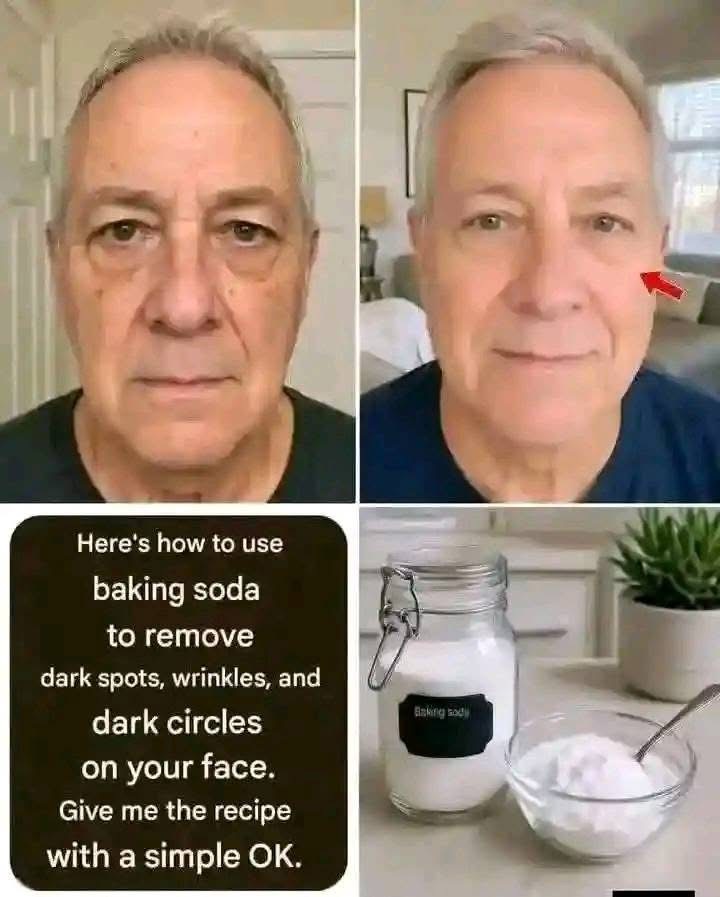
Baking soda is one of those inexpensive kitchen ingredients that seems to have endless beauty uses online. You may have seen claims that mixing baking soda with water, honey, coffee, lemon, or other ingredients can brighten the skin, remove dark spots, fight acne, or make the face look smoother.
But there’s an important catch: baking soda is alkaline, while healthy facial skin is naturally mildly acidic, with an average pH around 5.5. Disrupting that environment can weaken the skin barrier and lead to dryness, irritation, redness, or sensitivity.
So, should you put baking soda on your face? Generally, it’s better not to use it as a regular facial treatment.
What Are the Claimed Benefits?
Baking soda has mild cleansing and abrasive properties, which is why it can sometimes make skin feel temporarily smoother. Online beauty recipes commonly claim that it can:
- Remove excess oil
- Exfoliate dead skin cells
- Make skin feel smoother
- Reduce the appearance of clogged pores
- Brighten dull-looking skin
- Help with blemishes
- Reduce the appearance of dark areas
However, these claims should not be confused with proven treatments. The American Academy of Dermatology specifically warns against using abrasive ingredients such as baking soda on acne-prone skin because they can irritate or damage the skin.
Why Baking Soda Can Be a Problem
Your skin has a protective barrier that helps keep moisture in and irritants out. Its naturally acidic environment also supports normal skin function.
Baking soda is alkaline. Applying it repeatedly can interfere with that environment and potentially contribute to:
- Dryness
- Tightness
- Flaking
- Burning or stinging
- Redness
- Increased sensitivity
- Irritation and inflammation
When the skin barrier becomes disrupted, even products you normally tolerate may suddenly sting.
What About Dark Spots?
This is especially important.
Scrubbing dark spots with baking soda won’t safely “erase” pigmentation. Irritating the skin can actually make discoloration more noticeable or cause additional pigmentation after inflammation.
If pigmentation is your concern, a gentle skincare routine and appropriate dermatological treatments are much safer approaches.
What About Baking Soda for Acne?
Baking soda isn’t an acne treatment.
The American Academy of Dermatology notes that baking soda-containing abrasive products can irritate or harm acne-prone skin rather than treating the underlying acne.
For acne, ingredients specifically formulated for acne—such as salicylic acid or benzoyl peroxide—have much better evidence than kitchen remedies.
Four Gentler Alternatives
Instead of creating baking-soda facial masks, try these simpler options.
1. Oatmeal + Water Soothing Mask
Ingredients:
- 1 tablespoon finely ground plain oats
- Enough lukewarm water to make a soft paste
How to use:
Mix, gently apply to clean skin, leave for about 5–10 minutes, then rinse without scrubbing.
Oat-based skincare can be a gentler option for skin that feels dry or irritated.
2. Plain Aloe Vera Gel
Choose a simple, fragrance-free aloe product intended for skin.
Apply a thin layer to clean skin and allow it to absorb.
Avoid products containing lots of fragrance or unnecessary essential oils, especially if your skin is sensitive. Dermatologists recommend fragrance-free products when irritation is a concern.
3. Gentle Moisturizer
Sometimes the best “DIY treatment” is no DIY treatment at all.
Use a fragrance-free facial moisturizer suited to your skin type. Keeping the skin properly moisturized supports the skin barrier and can make dry, rough skin appear smoother.
4. Sunscreen for Uneven Skin Tone
If you’re trying to improve the appearance of dark spots or uneven pigmentation, daily sun protection is one of the most important steps.
Choose a broad-spectrum sunscreen with SPF 30 or higher and use it consistently. Dermatologists include sunscreen as a foundation of healthy skincare.
If You Still Want to Try Baking Soda
For facial skin, I wouldn’t recommend making a baking-soda mask or scrub a regular part of your routine.
If you have already applied it and your skin starts burning, itching, becoming very red, or swelling, rinse it off gently and stop using it. The AAD recommends washing off products that cause a reaction and avoiding the suspected irritant.
Don’t combine baking soda with other potentially irritating ingredients such as lemon juice, vinegar, strong acids, or essential oils. More ingredients don’t necessarily mean better skincare.
A Simple Skin-Barrier-Friendly Routine
Morning
- Gentle cleanser
- Fragrance-free moisturizer
- Broad-spectrum SPF 30+
Evening
- Gentle cleanser
- Appropriate treatment for your specific concern
- Moisturizer
This may sound much less exciting than a viral kitchen recipe, but consistent gentle skincare is generally much kinder to your skin than aggressive DIY exfoliation.
The Bottom Line
Baking soda is useful in the kitchen, but your face isn’t a kitchen experiment.
Although it may temporarily make skin feel cleaner or smoother, regular application can disrupt the skin’s natural environment and cause dryness and irritation.
If your goal is brighter, smoother, clearer skin, focus on gentle cleansing, moisturizing, sun protection, and proven skincare ingredients rather than harsh DIY mixtures.
And if you have persistent acne, severe redness, unexplained pigmentation, or a recurring rash, a dermatologist can help identify the actual cause instead of trying increasingly strong home remedies.