
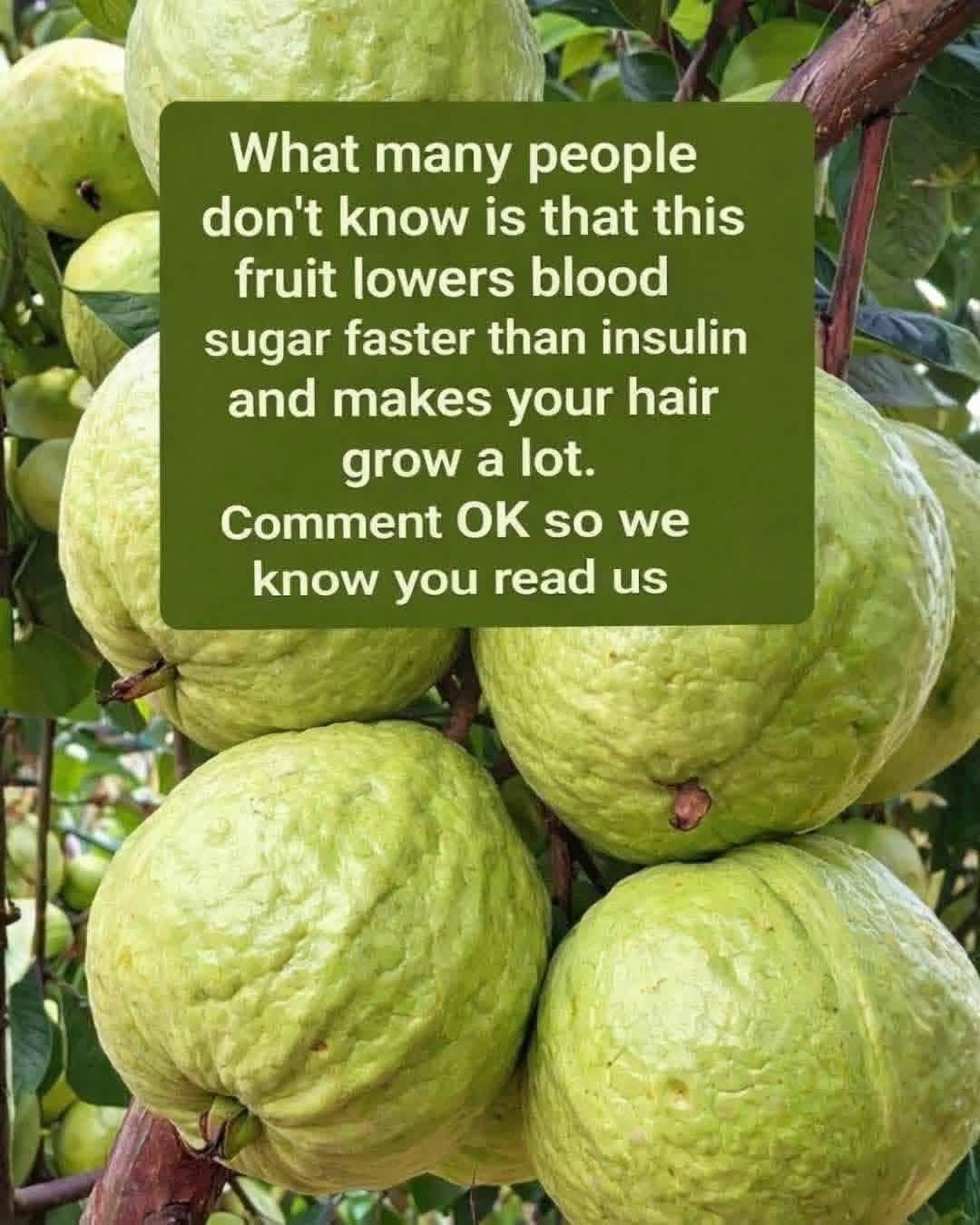
Guava is a tropical fruit with a sweet, fragrant flavor and an impressive nutritional profile. You may have seen viral posts claiming that guava can lower blood sugar faster than insulin or make your hair grow dramatically faster.
Those claims go far beyond the available evidence.
But guava itself is still worth talking about. It provides fiber, vitamin C, carotenoids, potassium, and other plant compounds that can be part of a healthy diet.
1. Guava and Blood Sugar
Guava contains dietary fiber, which can slow digestion and the absorption of carbohydrates. Whole fruit is also generally a better choice than sugary fruit drinks because it provides fiber and has no added sugar when eaten plain.
Some research has investigated guava and its leaves in relation to blood glucose, but this does not mean guava can lower blood sugar faster than insulin.
Insulin is a vital medication for people who need it, and guava should never be used as a substitute for prescribed diabetes treatment.
If you have diabetes, enjoy guava as part of your normal eating pattern and monitor how your body responds.
2. Guava Is Rich in Vitamin C
One of guava’s standout nutritional qualities is its high vitamin C content.
Vitamin C contributes to normal immune function, collagen formation, and protection of cells from oxidative stress.
Collagen is also important for skin, blood vessels, bones, and connective tissue.
3. Could Guava Help Your Hair?
Guava doesn’t have a proven ability to make hair grow rapidly.
However, nutrition matters for healthy hair. Guava provides vitamin C and other nutrients that contribute to normal body functions.
Vitamin C also helps the body absorb iron from plant-based foods. Since inadequate iron intake can contribute to hair problems in some people, getting enough iron and vitamin C as part of a balanced diet can be useful.
If you’re experiencing significant hair loss, however, it’s better to look for the underlying cause rather than relying on a single fruit or homemade remedy.
4. A Good Source of Fiber
Guava contains dietary fiber, which supports normal digestive health and can help you feel full after eating.
Eating whole guava rather than drinking guava juice is generally preferable when you’re looking to maximize fiber intake.
5. Antioxidant Compounds
Guava contains several naturally occurring antioxidant compounds, including vitamin C and carotenoids.
Antioxidants help protect cells from oxidative stress, and diets rich in fruits and vegetables are associated with overall health benefits.
That doesn’t make guava a cure for chronic diseases, but it is another reason to include a variety of colorful fruits and vegetables in your diet.
How to Eat Guava
Guava is incredibly versatile.
You can:
- Eat it fresh as a snack
- Slice it into fruit salads
- Add it to yogurt
- Blend it into smoothies
- Add it to oatmeal
- Make homemade guava salsa
- Use it in desserts
- Enjoy it with other fresh fruit
The skin and seeds of many edible guava varieties can also be eaten, although texture and palatability vary.
A Simple Guava Smoothie
Try blending:
- 1 ripe guava
- ½ banana
- ½ cup plain yogurt
- ½ cup water or milk
- A few ice cubes
Blend until smooth and enjoy.
There’s no need to add large amounts of sugar to make guava taste good.
What About Guava Leaves?
Guava leaves are traditionally used in teas and other preparations, and researchers have studied various compounds found in guava leaves.
However, evidence from traditional use or preliminary studies isn’t enough to establish guava leaves as a treatment for diabetes, hair loss, or other diseases.
If you take medication for blood sugar or another chronic condition, don’t replace your treatment with guava-leaf preparations without speaking with your healthcare professional.
The Truth Behind the Viral Claim
The statement that guava “lowers blood sugar faster than insulin” is misleading.
Guava can be a nutritious food and may fit well into a balanced diet, but it doesn’t replace insulin or other diabetes medications.
Likewise, eating guava doesn’t guarantee dramatic hair growth.
The real benefit is much simpler: it’s a nutrient-rich whole fruit that can support a healthy diet.
So instead of looking for one miraculous fruit, think about the bigger picture—plenty of vegetables and fruits, adequate protein, whole grains, healthy fats, regular physical activity, and appropriate medical care when needed.