
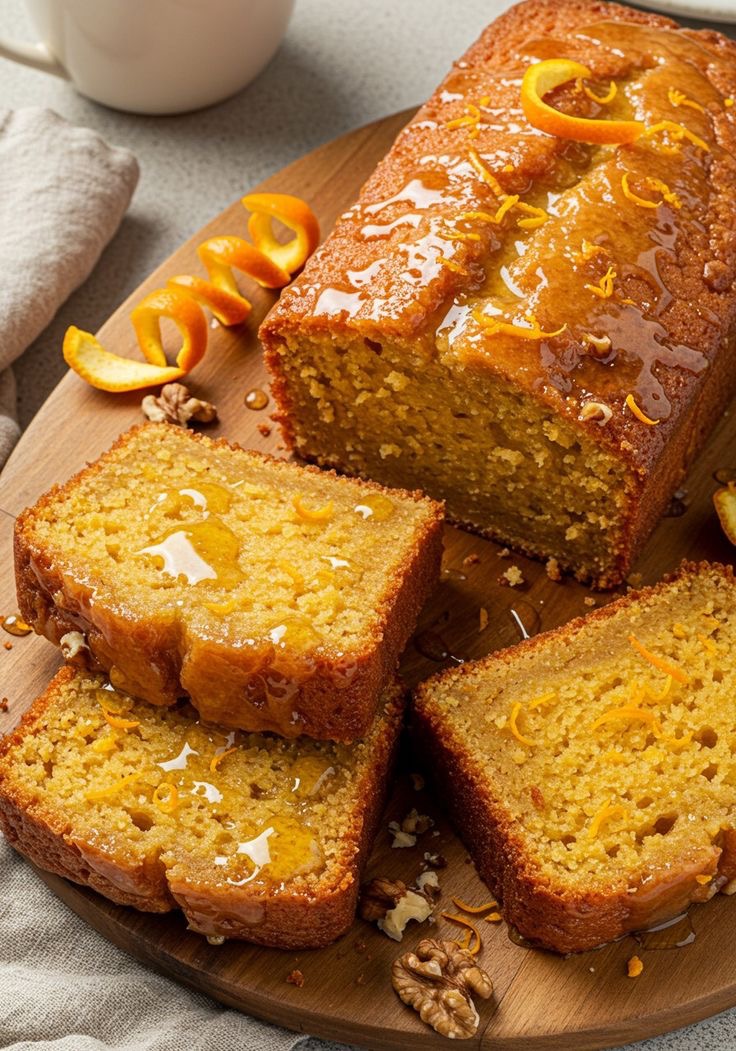
Irresistible Orange Glazed Loaf Cake
Introduction
There is something timeless and comforting about a simple loaf cake, especially one infused with the bright, uplifting flavor of fresh oranges. The orange glazed loaf cake is a perfect example of how a few basic ingredients can come together to create something truly special. Moist, tender, and delicately sweet, this cake is enhanced by the natural citrus aroma of orange zest and juice, then finished with a glossy glaze that adds both sweetness and visual appeal.
This cake is ideal for nearly any occasion. It works beautifully as a breakfast treat alongside coffee or tea, a light afternoon snack, or even a casual dessert. Its simplicity makes it approachable for beginners, while its rich flavor and elegant finish make it impressive enough to serve to guests. Whether you are baking for your family or preparing something special for a gathering, this orange loaf cake is a reliable and rewarding choice.
In this detailed guide, you will learn everything you need to know to create a perfect orange glazed loaf cake. From selecting the right ingredients to understanding the techniques that ensure a moist texture, this recipe will walk you through each step with clarity and precision.
Ingredients
For the Loaf Cake
- 2 cups all-purpose flour
- 1 cup granulated sugar
- 3 large eggs
- 1/2 cup unsalted butter, softened
- 1/2 cup milk
- 2 tablespoons orange zest
- 1/2 cup freshly squeezed orange juice
- 1 teaspoon vanilla extract
- 2 teaspoons baking powder
- 1/2 teaspoon salt
For the Orange Glaze
- 1 cup powdered sugar
- 2–3 tablespoons fresh orange juice
Choosing the Best Ingredients
The quality of your ingredients plays a major role in the final flavor and texture of your cake. Since this is a simple recipe, each component should be chosen with care.
Oranges
Fresh oranges are essential for achieving a vibrant citrus flavor. Both the zest and juice are used in this recipe, so choose oranges that are firm, heavy for their size, and brightly colored. The zest contains natural oils that provide an intense orange aroma, while the juice adds freshness and moisture.
Flour
All-purpose flour works perfectly for this cake. It provides the right balance of structure and tenderness. Be sure to measure it correctly—spoon the flour into your measuring cup and level it off to avoid using too much, which can make the cake dense.
Butter
Unsalted butter is recommended because it allows better control over the salt content. Make sure the butter is softened to room temperature so it blends smoothly with the sugar, creating a light and airy base.
Eggs
Eggs add richness, structure, and moisture. Use large eggs at room temperature for the best results. Cold eggs can cause the batter to curdle when mixed with butter.
Milk
Milk contributes to the softness and moisture of the cake. Whole milk is preferred for a richer texture, but other types can also be used if needed.
Sugar
Granulated sugar provides sweetness and helps create a tender crumb. It also plays a role in the cake’s golden color during baking.
Baking Powder
This is the leavening agent that helps the cake rise. Make sure it is fresh to ensure proper lift and a light texture.
Vanilla Extract
Vanilla enhances the overall flavor and complements the citrus notes without overpowering them.
Equipment Needed
- Loaf pan (approximately 9×5 inches)
- Mixing bowls
- Electric mixer or whisk
- Measuring cups and spoons
- Zester or fine grater
- Juicer
- Spatula
- Cooling rack
Preparation
Begin by preheating your oven to 180°C (350°F). Prepare your loaf pan by greasing it lightly with butter or lining it with parchment paper. This step ensures the cake releases easily after baking.
Zest the oranges carefully, avoiding the bitter white pith beneath the skin. Then squeeze the juice and set both aside.
Mixing the Batter
Start by creaming the softened butter and sugar together until the mixture becomes light and fluffy. This step is crucial because it incorporates air into the batter, which contributes to a soft and tender texture.
Add the eggs one at a time, mixing well after each addition. This helps maintain a smooth and stable batter.
Stir in the vanilla extract, followed by the orange zest and fresh orange juice. The batter may look slightly curdled at this stage, which is normal.
In a separate bowl, whisk together the flour, baking powder, and salt. Gradually add the dry ingredients to the wet mixture, alternating with the milk. Begin and end with the dry ingredients to ensure even mixing.
Mix until just combined. Avoid overmixing, as this can lead to a dense cake.
Baking the Cake
Pour the batter into the prepared loaf pan and smooth the top with a spatula. Place the pan in the preheated oven and bake for approximately 45 to 55 minutes.
The cake is done when a toothpick inserted into the center comes out clean or with a few moist crumbs. The top should be golden and slightly firm to the touch.
Allow the cake to cool in the pan for about 10–15 minutes before transferring it to a cooling rack. Let it cool completely before adding the glaze.
Preparing the Orange Glaze
In a small bowl, combine the powdered sugar with fresh orange juice. Start with a smaller amount of juice and gradually add more until you reach your desired consistency.
The glaze should be thick enough to coat the cake but still pourable. If it becomes too thin, add more powdered sugar. If too thick, add a few drops of juice.
Glazing the Cake
Once the cake has completely cooled, drizzle the glaze evenly over the top. Allow it to flow naturally down the sides for a simple yet elegant finish.
Let the glaze set for about 15–20 minutes before slicing. This will give it a slightly firm texture that complements the soft cake.
Texture and Flavor Profile
This orange glazed loaf cake has a soft, moist crumb with a delicate balance of sweetness and citrus brightness. The orange zest provides a fragrant aroma, while the juice adds a refreshing tang. The glaze enhances the overall flavor, adding a smooth sweetness that ties everything together.
Tips for Success
- Use room temperature ingredients for better mixing and texture
- Do not overmix the batter to avoid a dense cake
- Measure ingredients accurately
- Use fresh oranges for the best flavor
- Allow the cake to cool completely before glazing
Variations
Lemon-Orange Twist
Add a small amount of lemon zest and juice for a more complex citrus flavor.
Chocolate Orange
Incorporate chocolate chips into the batter for a rich and indulgent variation.
Nutty Addition
Add chopped almonds or walnuts for extra texture and flavor.
Storage
Store the cake in an airtight container at room temperature for up to three days. If you prefer longer storage, refrigerate it for up to a week. Bring it to room temperature before serving for the best taste and texture.
Serving Suggestions
This cake pairs beautifully with tea, coffee, or even a glass of fresh juice. It can be served plain or with a dollop of whipped cream for added richness.
Conclusion
The orange glazed loaf cake is a classic recipe that combines simplicity with elegance. Its bright citrus flavor, moist texture, and beautiful glaze make it a standout choice for any occasion. With just a few ingredients and straightforward techniques, you can create a cake that feels both comforting and refined.
Whether you are an experienced baker or just starting out, this recipe offers a reliable way to achieve delicious results every time.